
CURRENT AFFAIRS | MAY 9, 2026
📰 What Happened
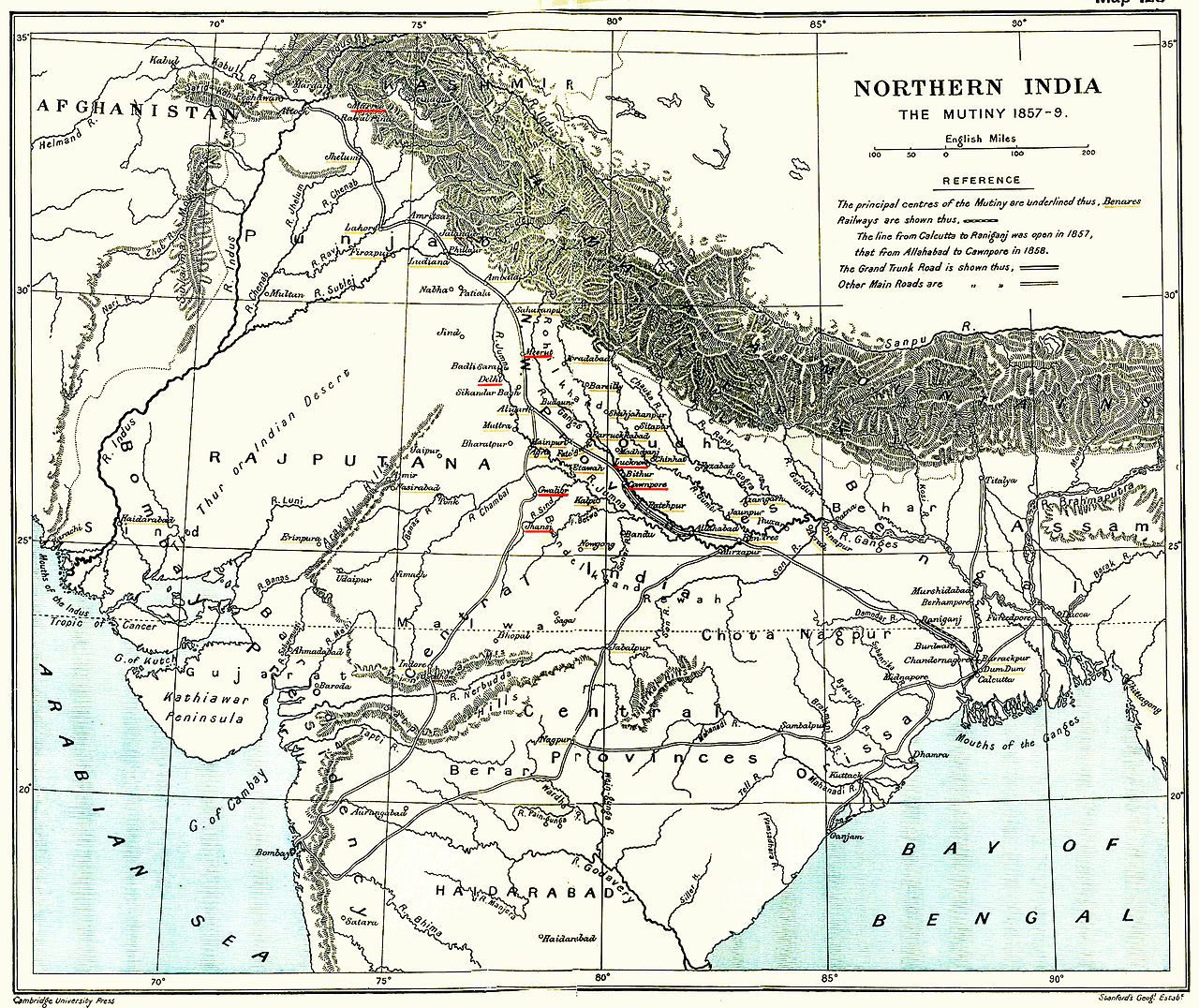
On May 10, 1857, sepoys at Meerut began the revolt that would shake British India to its foundations. The Indian Express’s editorial ‘From 1857 to today, power writes the story’ (May 9, 2026) revisits how British press of the era (‘no real grievance’, ‘isolated mutiny’) manufactured complacency, while the underlying causes — Doctrine of Lapse, forced crop patterns, missionary zeal, and the greased cartridges crisis — converged into India’s First War of Independence. Within 14 months, the Government of India Act 1858 abolished East India Company rule, and Queen Victoria’s Proclamation of November 1, 1858 promised non-interference in religion, ended the Doctrine of Lapse, and pledged equality of opportunity in public services.
🎯 Why It Matters for CLAT
1857 is the constitutional pivot of modern India. The Government of India Act 1858 transferred power from the Company to the Crown, created the Secretary of State for India and the Council of India, and set the template that would evolve through the Indian Councils Acts (1861, 1892, 1909), Government of India Acts (1919, 1935), and finally the Constitution of India 1950. The Queen’s Proclamation became the moral charter of subsequent reforms — even Article 16 (equality of opportunity in public employment) traces its lineage to its non-discrimination promise. For CLAT and UPSC, mastering the 1857 → 1858 → 1861 → 1892 → 1909 → 1919 → 1935 → 1950 arc is non-negotiable.
📚 Key Concepts
- Causes of 1857 — political (Doctrine of Lapse), economic (de-industrialisation, drain theory), military (greased cartridges, Bengal Army), social (Sati ban, widow remarriage), religious (missionary activity).
- Government of India Act 1858 — abolished EIC; Secretary of State for India + 15-member Council of India; Viceroy replaced Governor-General.
- Queen’s Proclamation 1858 — abolished Doctrine of Lapse; promised non-interference in religion; equality of opportunity (predecessor to Art. 16).
- Indian Councils Acts — 1861 (introduced Indians in lawmaking), 1892 (limited indirect election), 1909 Morley-Minto (separate electorates).
- Government of India Act 1919 (Montagu-Chelmsford) — diarchy in provinces; bicameralism at centre.
- Government of India Act 1935 — federation, provincial autonomy, partial responsible government; ~75% of the 1950 Constitution borrowed.
- Subaltern historiography — Ranajit Guha’s ‘Elementary Aspects of Peasant Insurgency’; reads 1857 from below.
⚖️ Legal Angle
Case Law / Statutes: Government of India Act 1858; Queen’s Proclamation 1858; Indian Councils Act 1861, 1892, 1909; Government of India Act 1919, 1935; Indian Independence Act 1947; Constitution of India 1950.
CLAT Tip: Queen’s Proclamation → Article 16 lineage is a quiet examiner favourite — frame it as ‘first written promise of equal opportunity in Indian constitutional history’.
🧠 Mnemonic: 1857-1950 ladder — 58 → 61 → 92 → 09 → 19 → 35 → 47 → 50 (eight Acts, 92-year arc).
Test Yourself — 10 MCQs
Take the quiz below to lock in this topic for CLAT 2027.
Practice Quiz — 10 CLAT-Style Questions
Click an option to reveal the answer and explanation.