
CURRENT AFFAIRS | 28 MAY 2026
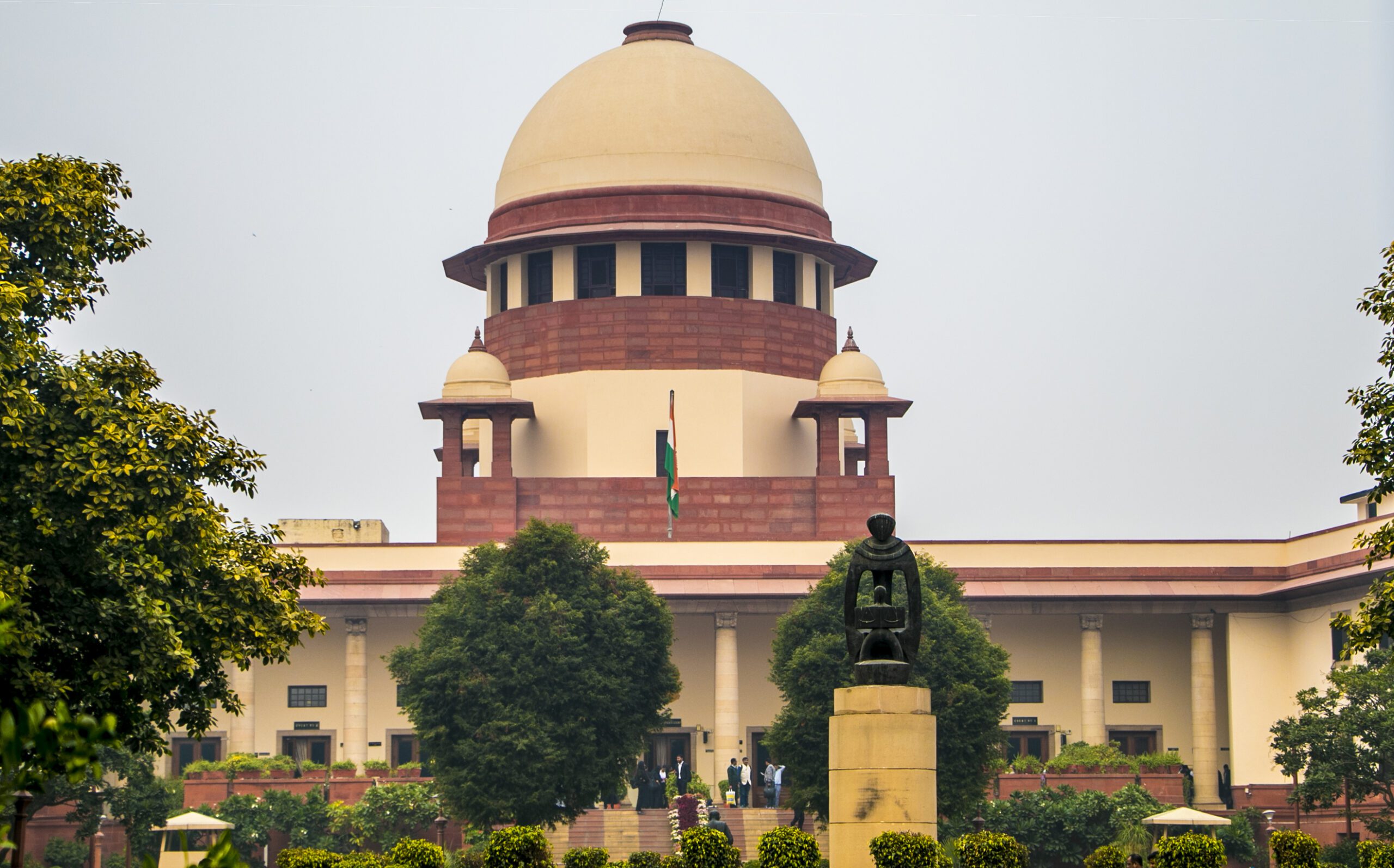
A Supreme Court bench of Justices J B Pardiwala and R Mahadevan on 27 May 2026 upheld the constitutional validity of 28% GST on online money gaming, including its retrospective application, dismissing the special leave petitions filed by Gameskraft and the E-Gaming Federation. The Court held that activities involving “staking upon uncertain outcomes” – including fantasy sports and rummy played on digital platforms – constitute betting and gambling under the GST framework, restoring the Rs 21,000 crore Gameskraft show-cause notice that the Karnataka High Court had quashed in 2023.
Constitutional Framework
- Article 366(12A): Defines GST as “any tax on supply of goods, or services or both except taxes on the supply of the alcoholic liquor for human consumption.”
- Article 246A: Inserted by 101st Constitutional Amendment (2016) – special concurrent power giving both Parliament and State legislatures plenary power to legislate GST.
- Article 265: No tax shall be levied or collected except by authority of law – the cornerstone for legality of any GST demand.
- Article 19(1)(g): Right to practise any profession or carry on any occupation, trade or business – subject to reasonable restrictions under 19(6). The ‘gambling = res extra commercium’ doctrine ousts gambling from 19(1)(g) protection.
- Entry 62, List II: “Taxes on luxuries, including entertainments, amusements, betting and gambling” – State subject, but post-GST significantly narrowed.
The CLAT Angle – Why This Matters
This verdict is the most consequential Article 19(1)(g) + GST decision since the 101st Amendment. It crystallises three doctrines every CLAT aspirant must know:
- Skill v Chance doctrine – the classical distinction articulated in State of Bombay v R M D Chamarbaugwala (1957) and applied in K R Lakshmanan v State of Tamil Nadu (1996) (horse racing = skill). Section 12 of the Public Gambling Act, 1867 historically exempts games of “mere skill” from gambling laws.
- Actionable claims doctrine – the Court held staking gives rise to “actionable claims” taxable on full face value of bets, not on Gross Gaming Revenue.
- Retrospective taxation – the bench held the August 2023 GST Council clarification was merely declaratory of pre-existing law, so the retrospective collection does not violate Article 265 or Article 14.
Key Facts – Memorize These
| Date of verdict | 27 May 2026 |
| Bench | Justices J B Pardiwala & R Mahadevan |
| Tax rate | 28% GST on full face value of bets |
| Retrospective | Yes – bench held the rate was always 28% under existing law |
| Gameskraft notice restored | Rs 21,000 crore (Karnataka HC 2023 ruling overturned) |
| Industry-wide demand | Rs 1.12 lakh crore (cumulative across digital gaming + casinos) |
| Affected platforms | Dream11, MPL, Gameskraft, RummyCircle, casino operators |
| Key cases referred | Chamarbaugwala (1957); K R Lakshmanan (1996); Kesoram Industries (2004) |
| Constitutional anchors | Art 246A (GST power); Art 366(12A) (GST definition); Art 19(1)(g) + 19(6) |
Memory Hook
“P-M says 28 from Day 1” – Pardiwala + Mahadevan held 28% GST applied from Day 1 (retrospective). Skill or chance, if money is staked, it’s gambling for GST.
“246A is the power; 366(12A) is the definition; 265 is the legality test.”
The verdict closes a two-year-plus litigation arc and effectively transfers the policy question to Parliament + the GST Council. Industry has indicated it will move review petitions and constitutional remedies under Article 32; meanwhile, valuation and recovery proceedings before adjudicating authorities can now resume in line with the principles laid down.
Practice Quiz — 10 CLAT-Style Questions
Click an option to reveal the answer and explanation.