CURRENT AFFAIRS | 29 JUNE 2026
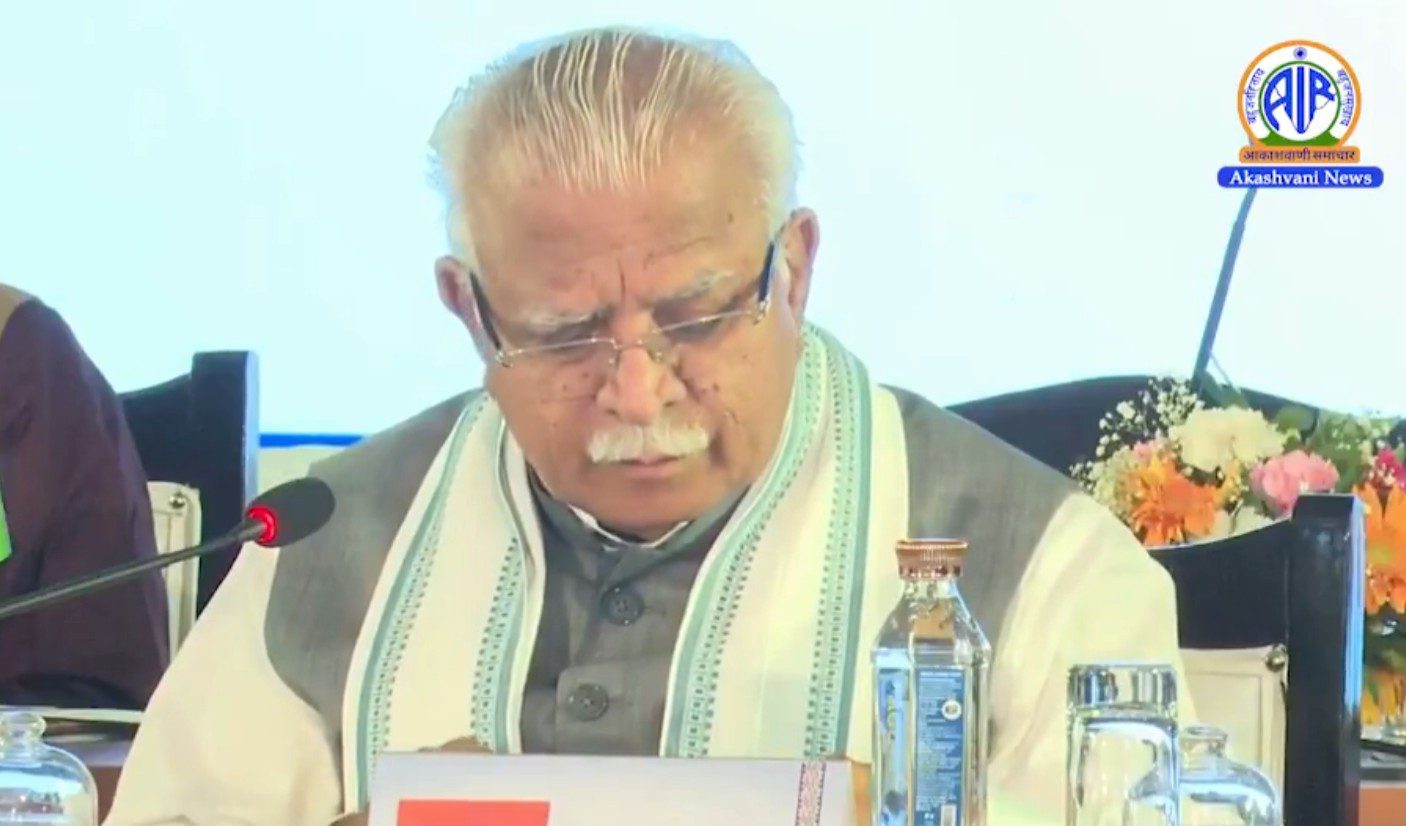
India is the chair of BRICS for 2026, and in late June it hosted the 11th BRICS Energy Ministers’ Meeting in Gurugram, Haryana. Ministers and senior officials from the member economies adopted a Joint Communiqué on energy security, sustainability, renewables and the just energy transition, and India launched a BRICS Digital Centre of Excellence for Smart Grids and Energy Storage. For a CLAT aspirant, this is a clean entry point into how multilateral groupings work, what India’s presidency means, and how energy diplomacy connects to global climate law.
BRICS began as an investment-banking coinage (BRIC — Brazil, Russia, India, China) before South Africa joined in 2010 to make it BRICS. It has since expanded to include several new members. It is not a treaty-based organisation like the UN; it is an intergovernmental forum that works through summits and ministerial tracks, steered each year by a rotating chair. India holding the 2026 chairship places New Delhi at the agenda-setting centre of a bloc that represents a large share of the world’s population and energy demand.
Constitutional & Institutional Framework
BRICS is a plurilateral, consensus-based grouping, not a formal international organisation — there is no founding charter or permanent secretariat, and decisions bind members only politically, not legally.
- Chairship rotates annually; the chair hosts the leaders’ summit and sets the thematic agenda — India chairs in 2026 under the energy theme “Sarveshaam Urjam” (Energy for All).
- The energy work feeds into India’s commitments under the Paris Agreement (2015), the UNFCCC treaty on limiting global warming through Nationally Determined Contributions (NDCs).
- For India, energy policy links to constitutional Directive Principles (Art 48A — protection and improvement of the environment) and the Fundamental Duty under Art 51A(g).
The Gurugram communiqué reaffirmed that energy security remains central to BRICS cooperation and called for diversified, transparent and resilient energy systems. India’s energy track was structured around three priorities — energy security and sustainability; energy access and equity; and technology and innovation — alongside new work on smart grids, energy storage and hydrogen value chains. The phrase “just energy transition” captures the central tension: developing economies want to cut emissions and protect growth and jobs, so the shift away from fossil fuels must be fair to poorer nations.
The CLAT Angle
GK and Current Affairs sections regularly test multilateral groupings. For BRICS, examiners check whether you can:
- Recall the full forms and the original four members plus the year South Africa joined (2010).
- Distinguish a treaty-based organisation (UN, WTO) from a forum/grouping (BRICS, G20, SCO) — a favourite trap.
- Connect energy diplomacy to the Paris Agreement, UNFCCC and NDCs, and to India’s constitutional environmental provisions (Art 48A, Art 51A(g)).
A passage may describe the Gurugram meeting and then ask which principle of international environmental law — like “common but differentiated responsibilities” — the “just transition” framing reflects.
Key Facts at a Glance
| Event | 11th BRICS Energy Ministers’ Meeting |
| Host city | Gurugram, Haryana |
| 2026 Chair | India |
| Energy theme | “Sarveshaam Urjam” (Energy for All) |
| Original BRIC | Brazil, Russia, India, China |
| S. Africa joined | 2010 (BRIC → BRICS) |
| New launch | Digital Centre of Excellence for Smart Grids & Energy Storage |
Why does the chairship matter? Because the chair shapes which issues a bloc prioritises for a year. By centring energy access and a just transition, India is positioning itself as a bridge between the Global North’s decarbonisation push and the Global South’s development needs — the same posture it adopts at the G20 and in climate negotiations. Watch for follow-on outcomes at the BRICS leaders’ summit later in the year.
Memory Mnemonic
“Big Rich India Cooks Soup” for the founding five:
- Brazil · Russia · India · China · South Africa
And for India 2026: “India Chairs, Energy For All.”
For CLAT 2027, treat BRICS as a recurring GK staple. Memorise the members, the rotating-chair mechanism and the 2026 theme — then layer on the climate-law connection so that any “just energy transition” passage becomes an easy, structured answer.
Practice Quiz — 10 CLAT-Style Questions
Click an option to reveal the answer and explanation.