CURRENT AFFAIRS | 29 JUNE 2026
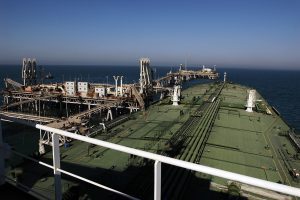
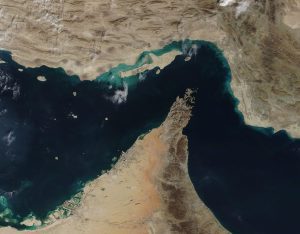
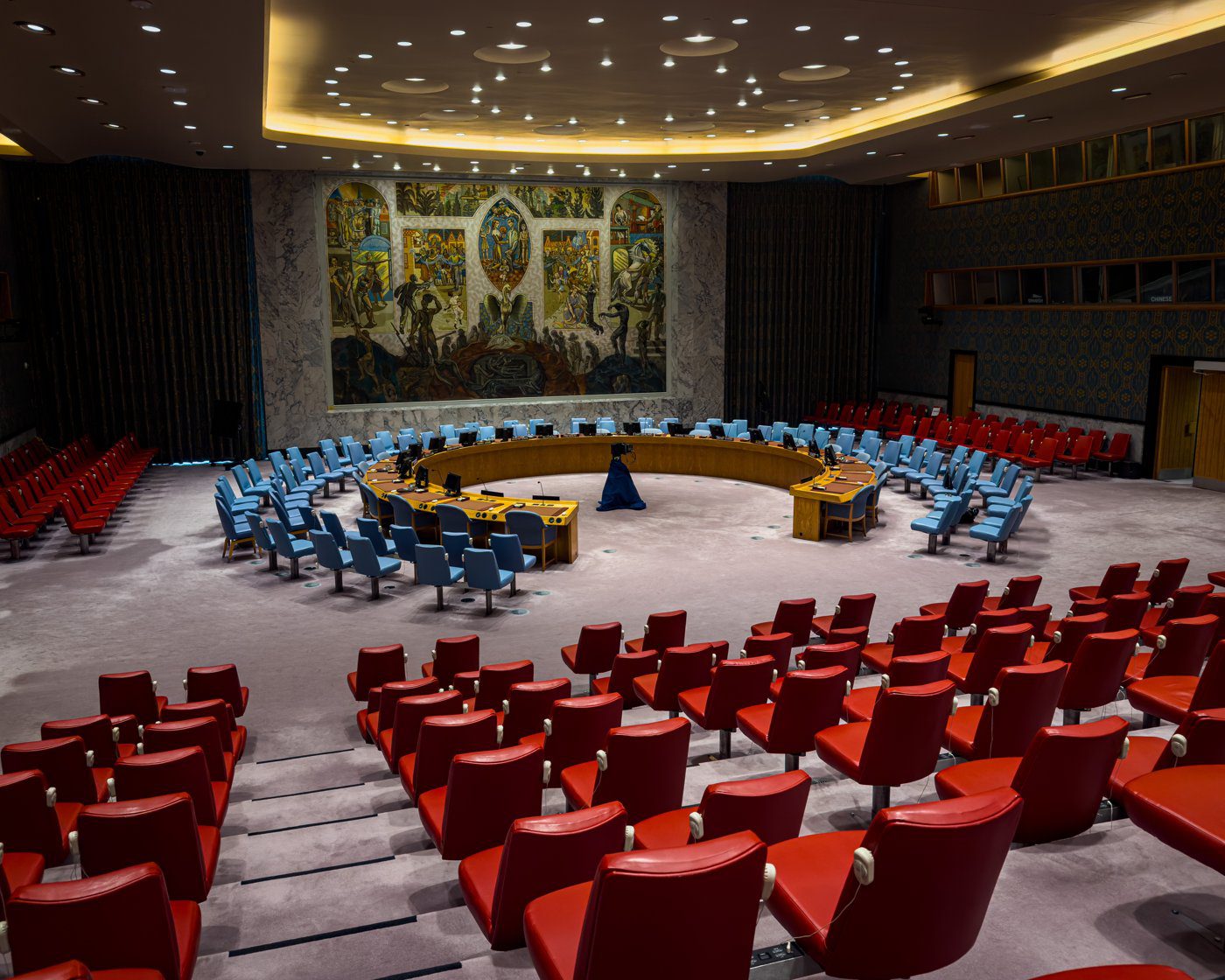
The fragile ceasefire between Iran and the United States has come apart. On 27–28 June 2026, after a Panama-flagged tanker was struck by an Iranian drone in the Strait of Hormuz, the US launched fresh strikes on Iranian military sites, and Iran’s Revolutionary Guard retaliated with ballistic missiles and drones against US bases in Kuwait and Bahrain. Bahrain has now asked the UN Security Council (UNSC) to hold an urgent session and to act. For a CLAT aspirant, this is not just a geopolitics headline — it is a live tutorial in the law that governs when states may use force, and who is meant to police that law.
Every modern conflict is fought against the backdrop of the UN Charter, the founding treaty of the United Nations signed at San Francisco in 1945. The Charter built an entire architecture to make war the exception, not the norm — and the present crisis tests every load-bearing wall of that structure.
Constitutional & Legal Framework
The governing law here is the UN Charter (1945), an international treaty. Its three pillars matter:
- Article 2(4) — the cornerstone prohibition: all members must refrain from the “threat or use of force” against the territorial integrity or political independence of any state.
- Article 51 — the main exception: every state has an “inherent right of individual or collective self-defence” if an armed attack occurs, until the Security Council acts. Measures taken must be reported to the Council.
- Chapter VII (Articles 39–51) — empowers the UNSC to determine threats to peace and authorise sanctions or collective military action.
The International Court of Justice (ICJ) at The Hague, the UN’s principal judicial organ, interprets these provisions, while International Humanitarian Law (IHL) — the Geneva Conventions — governs how hostilities are conducted (distinction, proportionality, protection of civilians).
The legal fault-line is clear. The US frames its strikes as self-defence under Article 51, responding to attacks on commercial shipping. Iran frames the US action as aggression barred by Article 2(4). Both cannot be right. This is precisely the kind of dispute the UNSC was designed to resolve — but the Council’s record on West Asia shows how often the veto wielded by its five permanent members (P5: US, UK, France, Russia, China) paralyses collective action.
The CLAT Angle
Current Affairs and Legal Reasoning passages routinely pair a live conflict with the rules of public international law. Examiners love testing whether you can tell apart:
- Jus ad bellum (the law on when force is lawful — Art 2(4), Art 51) versus jus in bello / IHL (the law on how war is fought).
- The UNSC (peace & security, can use force) versus the UN General Assembly (deliberative, no binding force powers) versus the ICJ (adjudicates between states).
- The P5 veto and why “the Council failing to act” is a recurring exam fact.
Expect a Legal Reasoning principle like “A state may use force only in self-defence against an armed attack” applied to a tanker-strike fact pattern. Identify the armed attack, the actor, and whether the response is proportionate.
Key Facts at a Glance
| Treaty | UN Charter, 1945 (San Francisco) |
| Force prohibition | Article 2(4) |
| Self-defence | Article 51 |
| Collective security | Chapter VII (Arts 39–51) |
| Top UN court | ICJ, The Hague |
| Flashpoint | Strait of Hormuz; bases in Kuwait & Bahrain |
| UNSC P5 (veto) | US, UK, France, Russia, China |
Why does this keep happening? Because international law has no standing police force. Enforcement depends on the UNSC, and the UNSC depends on great-power consensus. When the P5 are themselves party to a dispute, the system stalls — which is exactly why Bahrain’s appeal “to assume its responsibilities” is more a political plea than a guaranteed remedy. India, a long-standing claimant for permanent UNSC membership, repeatedly cites such paralysis to argue the Council needs reform.
Memory Mnemonic
“2 For 4, 5 For 1” — lock the two key Charter articles:
- 2(4) → NO force (the ban)
- 51 → self-defence (the exception)
And for the organs: “SC fights, GA talks, ICJ judges.”
For the CLAT 2027 aspirant, the takeaway is to read every conflict twice: once as news, once as law. Ask which Article is invoked, which organ has jurisdiction, and whether the veto will block action. Master that lens, and a missile exchange in the Gulf becomes a predictable, scorable Legal Reasoning question.
Practice Quiz — 10 CLAT-Style Questions
Click an option to reveal the answer and explanation.