CURRENT AFFAIRS | 27 JUNE 2026
A football stadium turned into a history lesson when, at the expanded FIFA World Cup, a Democratic Republic of Congo (DRC) star (Michel Kuka Mboladinga) drew attention by resembling Patrice Lumumba — standing motionless with one arm raised like a statue, a stance read as a tribute to national sovereignty and freedom. For CLAT aspirants, this is a gateway to one of static GK’s richest themes: decolonisation, pan-Africanism and the brutal history of colonial exploitation.
What Happened
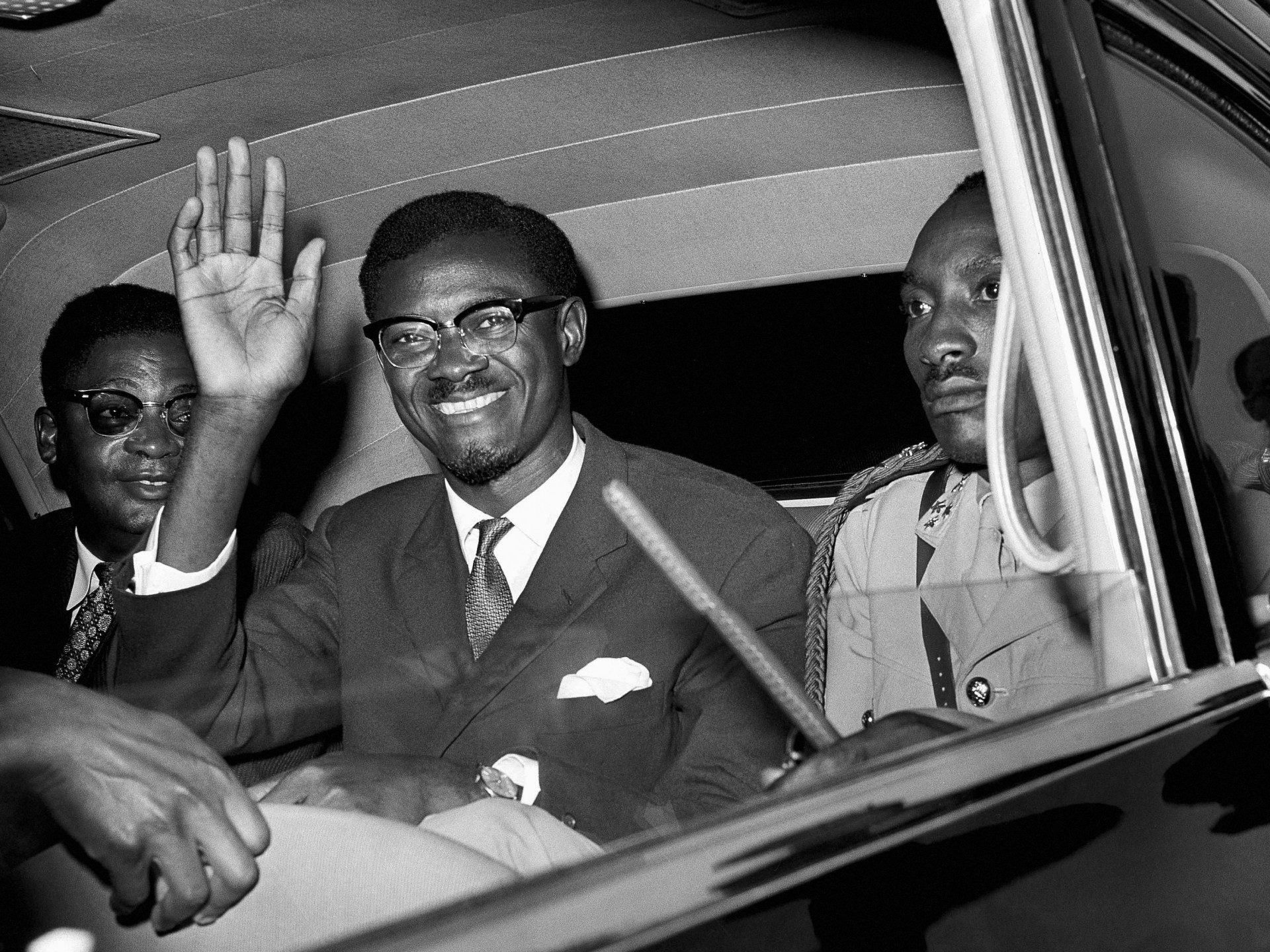
The viral moment was symbolic, but the history behind it is substantive. Patrice Emery Lumumba (1925–61) was the first democratically elected Prime Minister of the Congo. He led the country to independence from Belgium in 1960, founded the Mouvement National Congolais (MNC), and became a global symbol of African self-determination. He was assassinated in 1961, barely months into office, in one of the Cold War’s most notorious political killings. His remains were returned to his family in 2022, a long-delayed act of historical reckoning.
To understand why Lumumba matters, one must look further back to King Leopold II’s Congo Free State (1885) — not a Belgian colony at first but the private dominion of the Belgian king, infamous for one of the most brutal regimes of colonial exploitation in history. Lumumba’s pan-Africanism and his vision of African unity were a direct response to that legacy.
The Congo Free State is a textbook illustration of how the late-nineteenth-century “Scramble for Africa” worked. At the Berlin Conference (1884–85), European powers partitioned the continent among themselves with no African representation, and Leopold secured the Congo basin as personal property under the cover of humanitarian rhetoric. The forced-labour rubber economy that followed caused immense human suffering and became an early catalyst for international human-rights advocacy. Against this history, Lumumba’s insistence at the 1960 independence ceremony that Congolese dignity be acknowledged was not mere rhetoric — it was a direct repudiation of a colonial order built on dispossession. His assassination within a year, amid Cold War rivalries, turned him into a martyr of the decolonisation era and a lasting symbol across the Non-Aligned world.
Historical & Conceptual Framework
Decolonisation — the post-1945 dismantling of European empires across Asia and Africa — is the master theme here. Pan-Africanism is the movement for solidarity and political unity among African peoples and the diaspora; it later informed the Organisation of African Unity (OAU, 1963), now the African Union. The Congo Free State (1885) illustrates the difference between a state colony and a monarch’s private dominion, and the human cost of the “scramble for Africa.” Sovereignty — a people’s right to govern themselves — is the legal-political value Lumumba embodied.
Key Facts
| Figure | Patrice Emery Lumumba (1925–61) |
| Role | First democratically elected PM of the Congo (DRC) |
| Independence | From Belgium, 1960 |
| Party founded | Mouvement National Congolais (MNC) |
| Assassinated | 1961 |
| Remains returned | To family, 2022 |
| Colonial origin | King Leopold II’s Congo Free State (1885) |
The CLAT Angle
This is prime static-GK plus values territory. Be able to identify Lumumba as the DRC’s first PM, link Congo Free State (1885) to King Leopold II, and explain pan-Africanism and decolonisation. CLAT’s reading passages reward candidates who connect a current cultural moment (a World Cup gesture) to deeper themes of sovereignty and the ethics of colonial history — the kind of values-based reasoning the exam increasingly tests.
Mnemonic
“LUMUMBA = Liberated Congo, 1960; Unjustly killed, 1961; Mouvement National Congolais; Buried-remains returned 2022; Anti-colonial icon.” For the colony: “Leopold’s 1885 Free State” — a king’s private dominion, not a normal colony.
Why This Matters for CLAT
Decolonisation and pan-Africanism are recurring static-GK themes, and a viral World Cup image is exactly the “hook” a paper-setter loves — a contemporary trigger leading into deep history. The deeper lesson for legal-reasoning is the concept of sovereignty and the long arc of historical justice (the 2022 return of Lumumba’s remains). Connect the dots from a footballer’s raised arm to a nation’s freedom struggle, and you have a model answer for a values-based GK passage.
Practice Quiz — 10 CLAT-Style Questions
Click an option to reveal the answer and explanation.