CURRENT AFFAIRS | 15 JUNE 2026
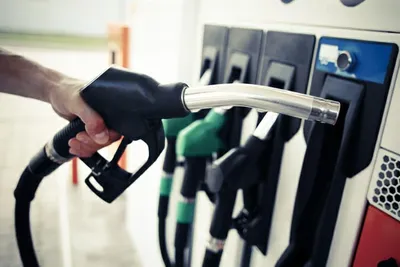
India is preparing to move beyond E20. The Centre last week exempted higher ethanol-petrol blends (22-30%) from central excise duty, putting them on par with the 20% blend (E20) that is now standard at pumps. The government also proposes amending the Central Motor Vehicles Rules to recognise 85% ethanol (E85) and 100% ethanol (E100) fuel and a new category of flex-fuel vehicles.
India achieved E20 blending five years ahead of its 2025 target, and now aims to raise blends progressively to E25, then towards E85-E100 with flex-fuel vehicles. The driving logic is energy security: India imports roughly 88.5% of its crude, and the recent West Asia conflict pushed prices higher, sharpening the case for import substitution.
There are trade-offs. Vehicles not designed for higher blends may face engine damage (ethanol absorbs water and is corrosive) and lower mileage (a 5-12% drop). The sugarcane lobby in Maharashtra and UP backs higher blends, and Brazil’s flex-fuel programme (since the 1970s) is the model. The Bureau of Indian Standards (BIS) notified fuel standards for higher blends on May 19.
Constitutional / Legal Framework
The push rests on the National Policy on Biofuels 2018 and the Ethanol Blended Petrol Programme, with BIS setting fuel standards. Recognising new fuel grades and the flex-fuel vehicle category requires amending the Central Motor Vehicles Rules framed under the Motor Vehicles Act. Tax treatment is harmonised by exempting higher blends from central excise duty, a fiscal lever the Union uses to steer the energy transition.
CLAT Angle
For CLAT, this links energy security, environment, and economy. Expect questions on the Ethanol Blended Petrol Programme, the National Policy on Biofuels 2018, the meaning of E20/E85/E100, and import substitution. The “E20 achieved five years early” fact and Brazil-as-model are likely data traps.
Key Facts
| Current standard | E20 (20% ethanol) |
| New move | 22-30% blends excise-exempt |
| Proposed grades | E85, E100 + flex-fuel |
| Why | Cut crude imports (~88.5%) |
| Model country | Brazil (flex-fuel since 1970s) |
| Standards body | Bureau of Indian Standards (BIS) |
Mnemonic / Memory Hook
“E20 EARLY, EYE E100.” India hit E20 five years early and now eyes E25 then E85-E100 via flex-fuel cars. Memory key for the policy spine: “BIO-18” = National Policy on Biofuels, 2018.
Why this matters for CLAT 2027: Energy policy sits at the crossroads of environment, economy and security, a CLAT favourite. Master the Ethanol Blended Petrol Programme, the 2018 Biofuels Policy, blend grades (E20-E100), and the import-substitution rationale to handle CLAT 2027 passages on green fuels.
Practice Quiz — 10 CLAT-Style Questions
Click an option to reveal the answer and explanation.