CURRENT AFFAIRS | 15 JUNE 2026
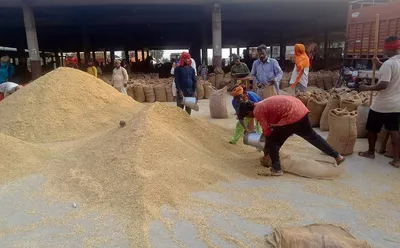
India’s basmati rice exports slipped nearly 25% in March-April 2026, driven by a sharp fall in shipments to Gulf countries amid the ongoing West Asia (Iran-Israel) crisis. The data, from the Commerce & Industry Ministry / APEDA, signals how geopolitics in the region can ripple straight into the farm economies of Punjab and Haryana.
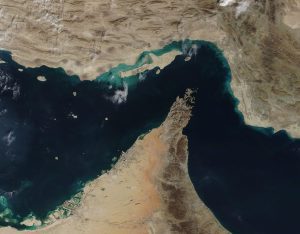
Iran, India’s second-largest basmati destination (about a 15% share), saw exports fall 27.4% in March and 20.9% in April. Shipments also slid to Iraq (-91%), Saudi Arabia (-25.5%) and the UAE (-32%). The Strait of Hormuz risk added to the uncertainty for Gulf-bound consignments.
In response, exporters are pivoting to new markets: shipments to China surged ~200% in March (around $1 million), while exports rose to Jordan (+667%), the UK (+80%) and Oman (+65%). India remains the world’s largest basmati exporter (~60 lakh tonnes), and any sustained Gulf disruption directly threatens farmers in Punjab and Haryana, which grow ~70% of the crop.
Constitutional / Legal Framework
Basmati enjoys protection as a Geographical Indication (GI) under the Geographical Indications of Goods (Registration & Protection) Act, 1999, which guards products tied to a specific origin. Exports are regulated by APEDA under the Commerce & Industry Ministry, and consignments must be tested at recognised labs to confirm they contain no GMO material. International trade in the commodity is also shaped by WTO norms on market access and non-tariff barriers.
CLAT Angle
CLAT GK and legal-reasoning sets love linking geopolitics to trade economics. Expect questions on APEDA, the GI tag for basmati, the Strait of Hormuz chokepoint, and which states dominate basmati output. The Iran-as-second-largest-buyer fact and the China-pivot figure are classic data-point traps.
Key Facts
| Export fall | ~25% in March-April 2026 |
| Top Gulf buyer hit | Iran (-27.4% Mar, -20.9% Apr) |
| Trigger | West Asia (Iran-Israel) crisis |
| Pivot market | China (+~200% in March) |
| Key producing states | Punjab & Haryana (~70%) |
| Regulator / GI law | APEDA; GI Act 1999 |
Mnemonic / Memory Hook
“GULF DOWN, CHINA UP.” Gulf buyers (Iran, Iraq, Saudi, UAE) fell; new buyers (China, Jordan, UK, Oman) rose. For the law, recall “GI-99”: basmati’s GI shield is the Geographical Indications of Goods Act, 1999.
Why this matters for CLAT 2027: Trade-meets-geopolitics is a perennial CLAT theme. Knowing APEDA’s role, the basmati GI tag, the Strait of Hormuz chokepoint, and the Punjab-Haryana basmati belt will help you crack CLAT 2027 GK passages on India’s export economy.
Practice Quiz — 10 CLAT-Style Questions
Click an option to reveal the answer and explanation.