CURRENT AFFAIRS | 26 MAY 2026
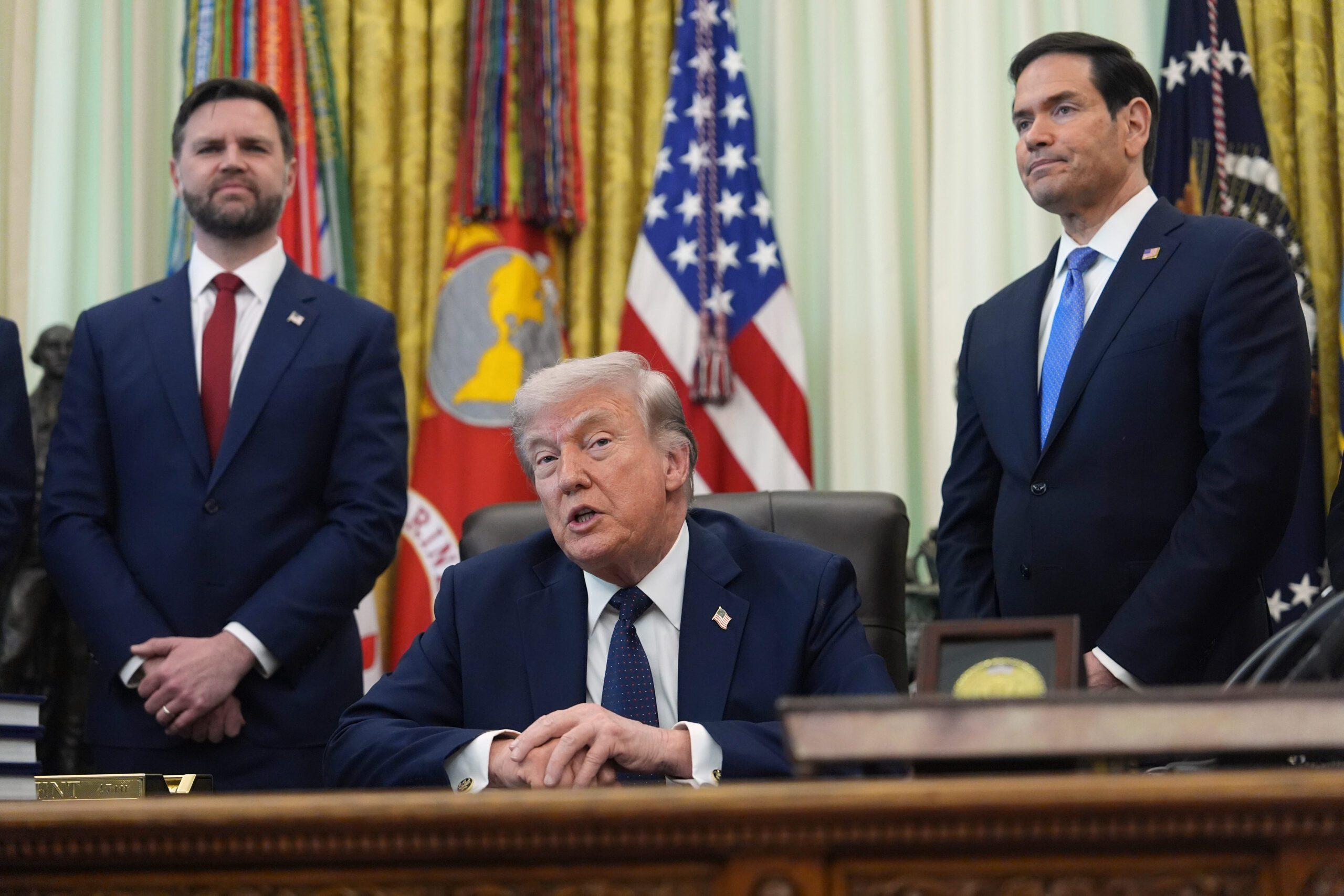
Iran’s top negotiator and Foreign Minister met Qatar’s Prime Minister in Doha to discuss a US-mediated deal ending a three-month-long conflict. Reports suggest a 30-day window post-deal to clear mines from the Strait of Hormuz — the world’s most strategic chokepoint, carrying nearly 21% of global petroleum liquids. US Secretary Rubio called it a ‘very real, time-limited negotiation on the nuclear matter’.
International Legal Framework
- UNCLOS, 1982 — Article 38 grants ships and aircraft a right of transit passage through international straits used for international navigation. The Strait of Hormuz qualifies as such a strait.
- UNCLOS Article 37 — Defines straits used for international navigation between two parts of the high seas or EEZs. Iran is a signatory but has NOT ratified UNCLOS.
- IAEA Statute, 1957 — The International Atomic Energy Agency conducts safeguards inspections under Comprehensive Safeguards Agreements.
- Treaty on the Non-Proliferation of Nuclear Weapons (NPT), 1968 — Iran is a signatory; recognises five Nuclear Weapon States (US, Russia, UK, France, China).
- JCPOA, 2015 — Joint Comprehensive Plan of Action between Iran and the P5+1 (UN Security Council Permanent 5 + Germany). US withdrew in 2018 under President Trump.
CLAT 2027 Angle
- P5+1 = USA, UK, France, China, Russia + Germany. Sometimes called the E3+3.
- Strait of Hormuz connects the Persian Gulf with the Gulf of Oman; borders Iran to the north, UAE & Oman (Musandam exclave) to the south.
- ~21 million barrels/day of oil pass through — roughly 21% of global petroleum liquids.
- Iran’s Natanz, Fordow, Bushehr, Arak are key nuclear sites; Bushehr is Iran’s only operational civilian nuclear power plant.
- IAEA headquarters: Vienna, Austria. Current Director-General (since 2019): Rafael Mariano Grossi.
Key Facts
| Treaty / Body | Year | Core Function |
|---|---|---|
| IAEA founded | 1957 | Promotes peaceful use of nuclear energy; conducts safeguards. |
| NPT signed | 1968 | Three pillars: non-proliferation, disarmament, peaceful use. |
| UNCLOS concluded | 1982 | Codifies law of the sea; transit passage in Art. 38. |
| JCPOA signed | 2015 | Limited Iran’s uranium enrichment in exchange for sanctions relief. |
| US withdrawal from JCPOA | 2018 | Triggered Iran’s gradual breaches of enrichment limits. |
Mnemonic — ‘HORMUZ guards 21% of oil’
Hormuz (strait) → Oman + UAE (south) vs Iran (north) → Right of Maritime transit (UNCLOS Art. 38) → carries Up to 21% global oil → enforced by US Navy 5th Fleet HQ Zoned at Bahrain. Diplomacy track: P5+1 → JCPOA 2015 → US exit 2018 → 2026 Doha.
Save this for revision — Hormuz + JCPOA is a perennial GK and IR pairing.
Practice Quiz — 10 CLAT-Style Questions
Click an option to reveal the answer and explanation.