Current Affairs International Relations Indian Economy CLAT 2027 CLAT GK
13 May 2026 · Source: The Indian Express, Delhi Edition · Reuters · PIB · Live Law
Prime Minister Narendra Modi, in a rare televised address to the nation on 12 May, warned that the deepening US-Israel war against Iran poses ‘grave and immediate risks’ to India’s economy and energy security. In an unusual appeal, the PM asked Indians to voluntarily reduce fuel consumption, pause discretionary gold purchases, and limit non-essential overseas travel until the situation stabilises. Brent crude has crossed $112/barrel, and the rupee has slipped past 87.40 against the dollar.
📌 Key Facts at a Glance
- India imports ~85% of its crude oil — one of the highest dependency ratios in the G20
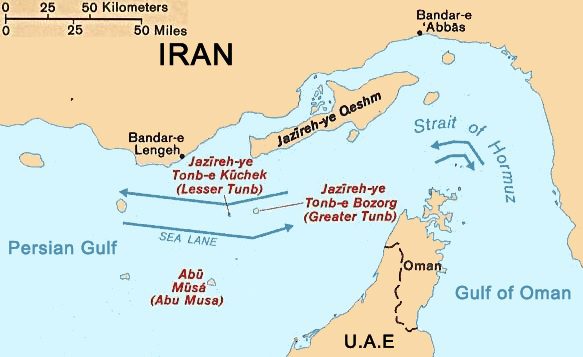
- Strait of Hormuz handles ~50% of India’s crude, ~60% of LNG, and almost 100% of LPG supplies
- In FY 2025–26, India spent $174.9 billion on crude — 22% of its total import bill
- Brent above $110/barrel adds ~₹70,000 crore to India’s import bill per quarter
- UBS has cut India’s FY27 GDP growth forecast: 6.7% → 6.2%
Background
Every $10 sustained increase in Brent typically widens India’s current account deficit by 0.3–0.4% of GDP and adds 35–40 bps to retail inflation. UBS Securities has cut India’s FY27 GDP forecast from 6.7% to 6.2%, terming the conflict ‘a historically large energy shock.’ Sustained crude above $110 also pressures the rupee — already past 87.40 — risking a further inflation pass-through.
Main Analysis
The diplomatic balancing act
India maintains civil-nuclear cooperation with the United States (123 Agreement), high-end defence partnerships with Israel (Phalcon AWACS, Barak-8 missile system), and the Chabahar port partnership with Iran. The Modi government has so far avoided directly condemning any party and has restated the Vienna call for ‘diplomatic resolution and immediate de-escalation’. The MEA has confirmed three Indian nationals were injured in an Iranian attack on Fujairah, UAE.
Citizen-level austerity appeals
Modi’s three asks — fuel restraint, gold purchase pause, overseas travel reduction — echo Lal Bahadur Shastri’s 1965 ‘Jai Jawan Jai Kisan’ austerity appeal. The aim is twofold: reduce the import bill at the margin, and absorb the inflation shock by managing household expectations. The last time a Prime Minister invoked voluntary citizen austerity at this scale was during the 1991 BoP crisis.
The strategic petroleum reserve push
The government is fast-tracking the expansion of Strategic Petroleum Reserves (SPRs) at Mangaluru, Padur, and Visakhapatnam. India currently holds only about 9.5 days of net imports, well below the IEA-recommended 90-day benchmark. A fourth SPR site at Chandikhol (Odisha) is now under active consideration.
🎯 Key Takeaways
- India imports ~85% crude oil, ~50% natural gas — highest dependency among G20 majors after Japan
- Strait of Hormuz: India’s single biggest energy chokepoint with no alternative sea route from the Gulf
- UBS FY27 GDP forecast cut: 6.7% → 6.2%; Brent above $110 = ~₹70,000 cr extra import bill / quarter
- MEA position: condemn the Fujairah attack, call for de-escalation, avoid taking sides
- First PM address invoking voluntary citizen austerity since the 1991 BoP crisis
📚 Glossary
- Strait of Hormuz
- Narrow shipping lane between Oman and Iran connecting the Persian Gulf with the Gulf of Oman. ~20% of global oil and 25% of global LNG passes through it daily.
- SPR (Strategic Petroleum Reserve)
- Government-controlled emergency crude stockpiles. India holds ~9.5 days of net imports across three sites — IEA benchmark is 90 days.
- Current Account Deficit (CAD)
- Excess of imports of goods, services and current transfers over exports. Crude is the single biggest driver of India’s CAD.
Test Yourself — 10 MCQs
Attempt the 10-question quiz below. Answers and explanations reveal after each click.
Practice Quiz — 10 CLAT-Style Questions
Click an option to reveal the answer and explanation.
CLAT Gurukul · By Ready For Exam · Bihar’s premier coaching for CLAT 2027 · Mentor Helpline: 7033005444