
CURRENT AFFAIRS | 11 MAY 2026
CLAT GK + INTERNATIONAL LAW
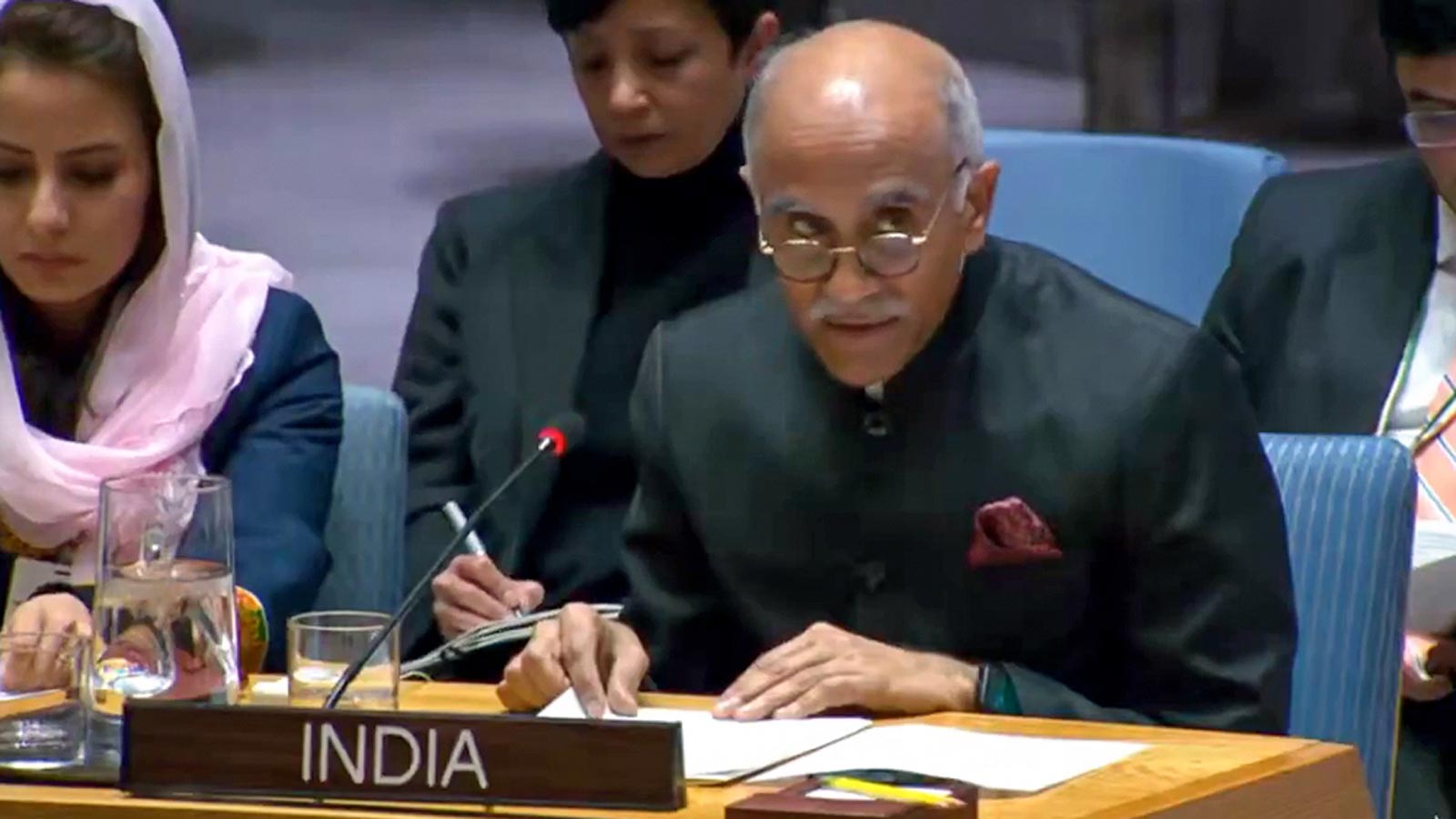
It has been more than a year since India placed the Indus Waters Treaty (IWT) of 1960 in “abeyance” in response to the Pahalgam terrorist attack of 22 April 2025, in which 26 people were killed. The Indian Express’s May 11 explainer maps two parallel tracks: India is using the suspension to fast-track long-delayed hydropower and storage projects on the western rivers (Indus, Jhelum, Chenab) — over 70% of Pakistan’s irrigation depends on this system — while Pakistan, in the last week of April 2026, formally took the dispute to the UN Security Council via Foreign Minister Ishaq Dar, and has moved in parallel to the International Court of Justice, the World Bank, UN Special Rapporteurs and the UN Human Rights Council, alleging human-rights violations from water disruption. India calls these forums incompetent: the IWT is a bilateral instrument with the World Bank only as facilitator, and India’s Permanent Representative to the UN, Harish Parvathaneni, told a World Water Day 2026 event that the treaty will remain in abeyance until Pakistan takes “credible and irreversible” steps to end terror sponsorship.
The legal puzzle is genuinely novel. The IWT, signed in Karachi on 19 September 1960 by PM Jawaharlal Nehru and Pakistan’s President Ayub Khan and brokered by World Bank President Eugene Black, allocated three eastern rivers (Ravi, Beas, Sutlej) to India and three western rivers (Indus, Jhelum, Chenab) to Pakistan, with limited Indian non-consumptive use rights on the western rivers. Article XII permits modification only by mutual consent — there is no unilateral termination clause. India has carefully not invoked “termination” or “withdrawal”; it has invoked “abeyance,” a status the Vienna Convention on the Law of Treaties (VCLT) 1969 does not expressly recognise. The closest doctrinal analogues are Article 60 (suspension by material breach) and Article 62 (rebus sic stantibus — fundamental change of circumstances).
Constitutional / Legal Framework
VCLT 1969: Article 26 — pacta sunt servanda (treaties in force are binding); Article 60 — termination/suspension on material breach; Article 62 — rebus sic stantibus (fundamental change of circumstances). India has not ratified VCLT but accepts most of its provisions as customary international law.
IWT 1960: Articles III and IV (water allocation between western and eastern rivers); Article IX (dispute resolution via Permanent Indus Commission → Neutral Expert → Court of Arbitration); Article XII (modification only by mutual consent). World Bank role: facilitator, banker for Indus Basin Development Fund, and convener of Neutral Expert / Court of Arbitration.
UN Charter: Article 33 (parties to a dispute shall first seek peaceful settlement by negotiation, mediation, conciliation, arbitration, judicial settlement). ICJ jurisdiction requires consent (Article 36 ICJ Statute) — India’s Article 36(2) declaration carves out Commonwealth and Pakistan-related disputes.
Why This Matters for CLAT 2027
India-Pakistan + treaty law is a perennial CLAT topic. The novelty here is the word “abeyance” — neither termination nor active suspension, but a deliberate freeze. Aspirants should be prepared to apply VCLT Articles 26, 60 and 62 to the IWT facts, distinguish the World Bank’s facilitator role from a dispute-settlement role, and remember the river allocation (Eastern = India: Ravi/Beas/Sutlej; Western = Pakistan: Indus/Jhelum/Chenab). Likely passage formats: a Legal Reasoning question on whether terror sponsorship qualifies as “fundamental change of circumstances” under Article 62 VCLT; a GK question on the year, parties and brokering institution.
Key Facts at a Glance
| Aspect | Detail |
|---|---|
| Treaty signed | 19 September 1960, Karachi — Nehru & Ayub Khan; Eugene Black (World Bank) brokered |
| Trigger event | Pahalgam terrorist attack, 22 April 2025 (26 killed) |
| Eastern rivers (India) | Ravi, Beas, Sutlej |
| Western rivers (Pakistan) | Indus, Jhelum, Chenab |
| Pakistan’s irrigation share | 70%+ from Indus system |
| Indian projects boosted | Kishanganga (commissioned 2018), Ratle (under construction) on Chenab basin |
| Pakistan’s forums | UNSC (April 2026), ICJ, World Bank, UN Special Rapporteurs, UNHRC |
Mnemonic
EAST-IND, WEST-PAK = Eastern rivers India, Western rivers Pakistan (3+3 division).
Eastern = Ravi-Beas-Sutlej (RBS) for India; Western = Indus-Jhelum-Chenab (IJC) for Pakistan. The IWT does NOT divide the basin geographically; it allocates rivers, with India retaining limited non-consumptive (run-of-river hydroelectric) use on the western rivers.
Test Yourself — 10-Question Quiz
Practice Quiz — 10 CLAT-Style Questions
Click an option to reveal the answer and explanation.