CURRENT AFFAIRS | 30 JULY 2026
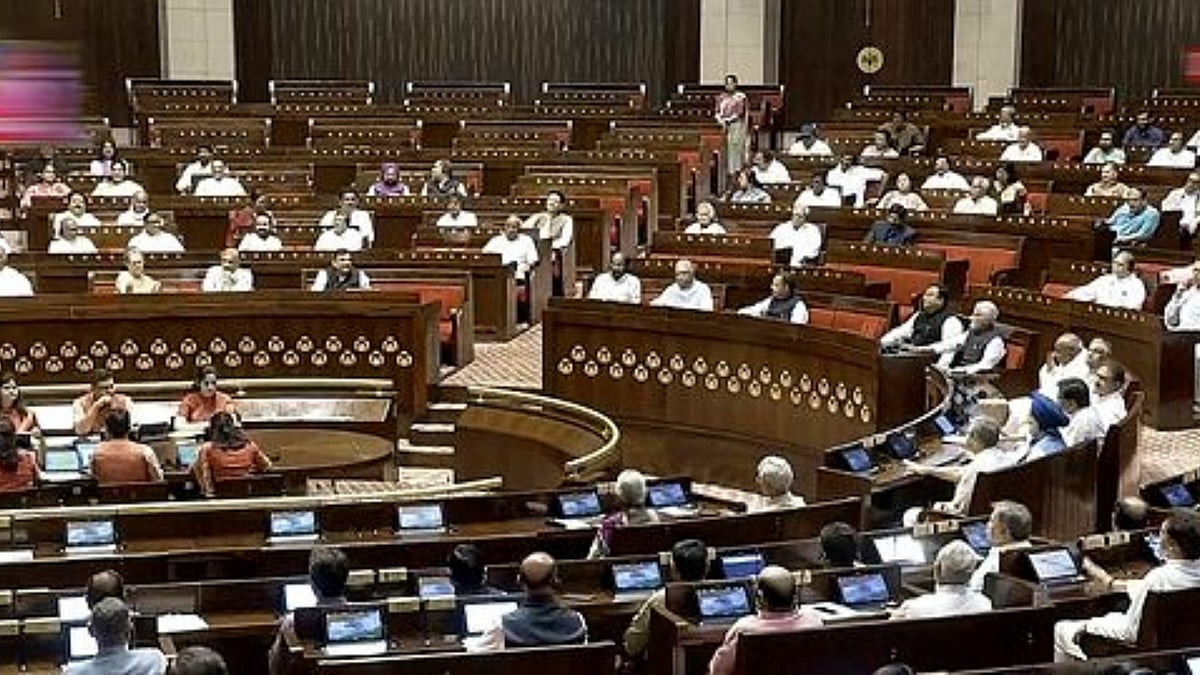
The Rajya Sabha has passed the Prevention of Insults to National Honour (Amendment) Bill, 2026, extending statutory protection to the national song Vande Mataram. The Bill amends the parent Act of 1971 to make the deliberate insult of Vande Mataram a criminal offence, on par with the protection the law already gives the National Flag, the National Anthem and the Constitution. It was passed amid an Opposition walkout.
What the Bill does
The Prevention of Insults to National Honour Act, 1971 currently criminalises intentional insult to the National Flag, the National Anthem (Jana Gana Mana) and the Constitution of India. The 2026 Amendment adds Vande Mataram — written by Bankim Chandra Chattopadhyay in his 1882 novel Anandamath — to this protected list, prescribing penalties similar to those for insulting the anthem.
Constitutional & Legal Framework
- Art 51A(a): a Fundamental Duty to abide by the Constitution and respect its ideals, the National Flag and the National Anthem — note the Constitution names the anthem, not the song.
- Art 19(1)(a): freedom of speech and expression, subject to reasonable restrictions under Art 19(2).
- Bijoe Emmanuel v State of Kerala (1986): the SC held that students (Jehovah’s Witnesses) who stood respectfully but did not sing the anthem could not be expelled — there is no legal compulsion to sing.
- Shyam Narayan Chouksey v Union of India: the anthem-in-cinemas litigation, later made directory rather than mandatory.
National Song vs National Anthem
A recurring point of confusion: Vande Mataram is the National Song, not the National Anthem. Both enjoy “equal status” per a 1950 Constituent Assembly statement by Dr Rajendra Prasad, but only Jana Gana Mana is the National Anthem named in Art 51A(a). The Bill’s significance is that it brings the song within the criminal-protection net for the first time.
The CLAT Angle — why it matters for the exam
This is a classic static-meets-current favourite. Expect questions on: (i) the National Song ≠ National Anthem distinction; (ii) the Art 19(1)(a) vs 19(2) free-speech balancing; (iii) Art 51A Fundamental Duties; and (iv) the ratio of Bijoe Emmanuel (respect does not require singing). A legal-reasoning passage may test whether a given act amounts to “intentional insult”.
How the Bill was passed
The measure was moved as an ordinary bill (not a money bill), requiring passage by both Houses. Its clearance by the Rajya Sabha — where the government does not always command a majority — was politically notable, and the Opposition staged a walkout alleging inadequate debate.
Key Facts
| Item | Detail |
|---|---|
| Parent Act | Prevention of Insults to National Honour Act, 1971 |
| New protection | National Song — Vande Mataram |
| Author of Vande Mataram | Bankim Chandra Chattopadhyay (Anandamath, 1882) |
| Already protected | National Flag, National Anthem, Constitution |
| Relevant duty | Art 51A(a) |
| Landmark case | Bijoe Emmanuel v State of Kerala (1986) |
Memory Hook
“FLAG – ANTHEM – CONSTITUTION – now SONG.” The 1971 Act’s protected trio gains a fourth member: Vande Mataram.
Conclusion
The Amendment reopens a perennial constitutional conversation — the line between compulsory respect and coerced expression. For aspirants, the takeaway is precise vocabulary: the song is now statutorily protected, but Bijoe Emmanuel‘s principle that one may respectfully abstain from singing remains untouched.
Practice Quiz — 10 CLAT-Style Questions
Click an option to reveal the answer and explanation.