CURRENT AFFAIRS | MARCH 29, 2026
CLAT GK + INTERNATIONAL LAW & CONSTITUTIONAL LAW
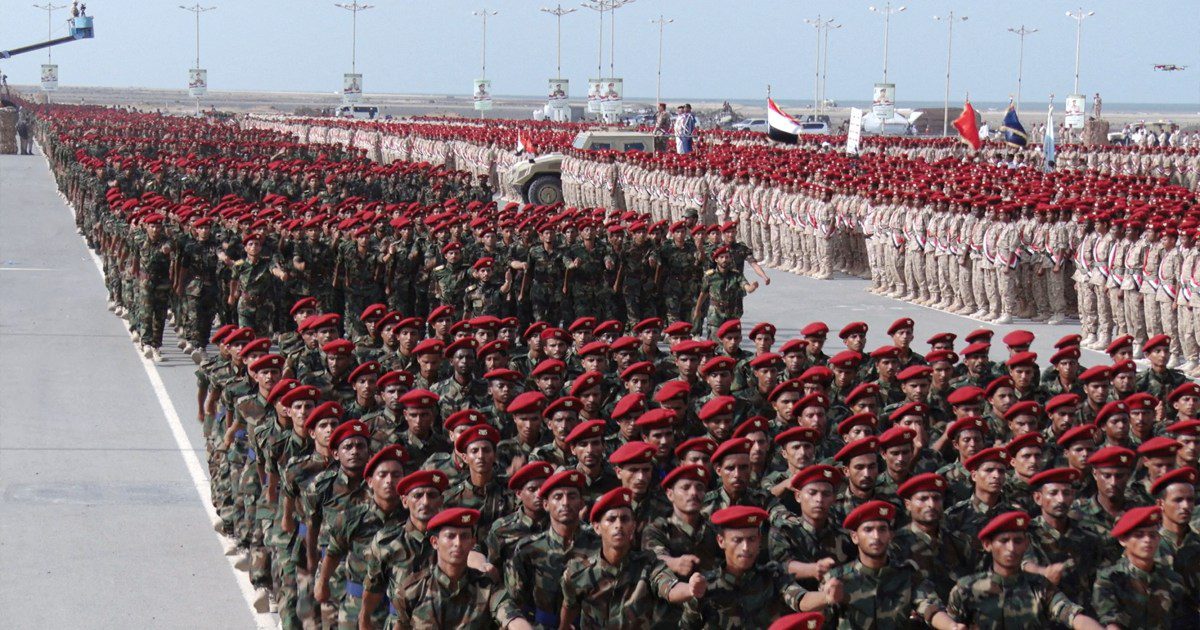
Yemen’s Iran-aligned Houthi movement has entered the ongoing Iran war by launching a barrage of ballistic missiles at Israel on March 28, 2026, marking a dramatic escalation of the month-old regional conflict. This is the first time the Houthis have directly targeted Israel since the war began on February 28 with a joint US-Israeli strike on Iran. The attack opens a new front in an already volatile Middle East theatre and raises serious questions about international law, the law of armed conflict, and India’s constitutional commitment to international peace under Article 51 of the DPSP.
What Happened?
Brigadier-General Yahya Saree, a military spokesman for the Houthis, announced that the attack targeted “sensitive Israeli military sites” in southern Israel. Both missiles were intercepted, and no injuries or damage were reported. However, in a separate incident, 12 US service personnel were injured in an Iranian attack on a base in Saudi Arabia. The US has stated that military operations would conclude in weeks, but the Houthis have declared they would continue fighting until “the aggressor” on all fronts retreated.
Additional escalations include: a massive blaze at Kuwait International Airport after a drone attack hit fuel tanks, Israel striking Iran’s nuclear facilities, and Iran claiming a strike on a Ukraine-linked drone site in Dubai. Pakistan has been mediating negotiations between the US and Iran through special envoy Steve Witkoff. At least 3,191 people have been killed across the Middle East since the war began, including 15 US service members.
Legal Framework
- Article 51 DPSP: The State shall endeavour to promote international peace and security, maintain just and honourable relations between nations, and foster respect for international law.
- UN Charter Article 2(4): All Members shall refrain from the threat or use of force against the territorial integrity or political independence of any state.
- UN Charter Article 51: Nothing shall impair the inherent right of individual or collective self-defense if an armed attack occurs against a Member of the United Nations.
- UNCLOS Article 87: Freedom of the high seas, including freedom of navigation — directly relevant to Strait of Hormuz disruptions.
- Geneva Conventions: The four Geneva Conventions of 1949 establish international humanitarian law governing the conduct of armed conflict and protection of civilians.
CLAT Exam Angle
This topic is highly relevant for CLAT 2027 from multiple angles:
- International Law: The legality of pre-emptive strikes under UN Charter Art. 51, the distinction between self-defense and aggression, and the applicability of the Geneva Conventions to proxy warfare.
- Indian Constitution: Art. 51 DPSP on India’s obligation to promote international peace — frequently tested in CLAT GK sections.
- Maritime Law: UNCLOS provisions on freedom of navigation become critical when chokepoints like the Strait of Hormuz and Bab al-Mandeb are threatened.
- Current Affairs: The geopolitical dimension — Iran-US tensions, the role of proxy groups (Houthis, Hezbollah), and the impact on global oil prices and India’s economy.
Key Facts at a Glance
| Event | Houthis fire missiles at Israel (March 28, 2026) |
| War Start Date | February 28, 2026 (US-Israeli strike on Iran) |
| US Casualties | 15 killed, 303 injured (including 12 in Saudi base attack) |
| Total Deaths | 3,191+ across Middle East |
| Mediator | Pakistan (Steve Witkoff, US special envoy) |
| Key Chokepoints | Strait of Hormuz, Bab al-Mandeb |
Mnemonic: HARMS
Remember the key international law provisions for armed conflicts:
- H — Humanitarian law (Geneva Conventions)
- A — Article 51 UN Charter (self-defense)
- R — Restraint under Art. 2(4) (prohibition of force)
- M — Maritime freedom (UNCLOS Art. 87)
- S — State’s duty: Art. 51 DPSP (international peace)
Practice Quiz
Practice Quiz — 10 CLAT-Style Questions
Click an option to reveal the answer and explanation.