
CURRENT AFFAIRS | 9 JUNE 2026
In a watershed moment for cooperative federalism, West Bengal on 8 June 2026 became the last major Indian state to join Ayushman Bharat, with the state government signing an MoU with the National Health Authority (NHA). Union Health Minister J P Nadda, present at the event, used the occasion to attack the previous Mamata Banerjee-led government for keeping Bengal’s residents outside the world’s largest publicly-funded health-insurance programme.
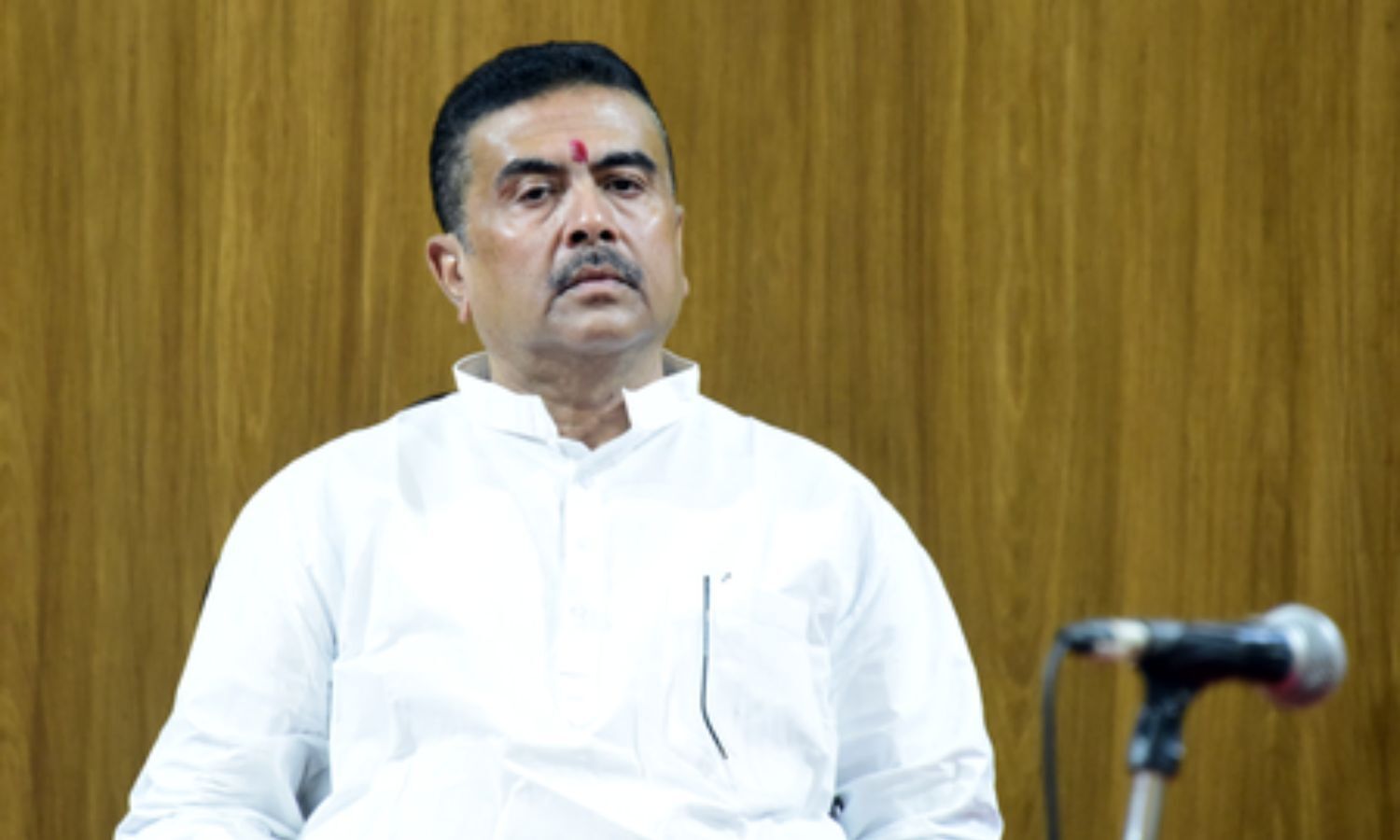
Chief Minister Suvendu Adhikari, addressing the gathering at the same event, framed Bengal’s accession as the third domino to fall: ‘There were three states that refused. One was Odisha where the people said Ta Ta Bye Bye to the government in 2024. Second was Delhi where the government was shown the door in 2025. The remaining state was West Bengal — and even there the citizens ended the government that was against development.’ The Centre has, in parallel, resumed MGNREGS implementation in Bengal — four years after it was suspended.
Constitutional & Legal Framework
- Seventh Schedule, State List Entry 6 — Public Health and Sanitation
- Article 21 — right to life including right to health (Paschim Banga Khet Mazdoor Samity v. State of WB, 1996)
- Article 47 — DPSP duty of State to raise nutrition and standard of living
- Article 41 — right to public assistance in case of sickness
- PM-JAY operationalised via the National Health Authority Order 2018
The numbers are striking. Ayushman Bharat is expected to cover an estimated 1.43 crore households in Bengal — including 1.24 crore poorest households, 15.95 lakh persons aged 70 and above, and 3.06 lakh frontline health workers. The Centre has already released Rs 976 crore for the scheme, less than a month after the formation of the new state government.
Under PM-JAY, eligible families receive cashless cover of up to Rs 5 lakh per family per year at empanelled hospitals. The scheme operates a network of over 36,000 empanelled hospitals across India and — crucially — allows portability: a beneficiary from Bengal can use their card in a Bangalore or Delhi hospital. For migrant workers, this is transformative.
Bengal already runs its own state scheme, Swasthya Sathi. The MoU contemplates that Ayushman Bharat may cover Swasthya Sathi beneficiaries too, with the state government bearing the full premium cost for these residents under a possible co-branding arrangement. The exact contours, the state government says, are still being worked out.
The constitutional politics here matter. Public Health, Sanitation, Hospitals and Dispensaries fall under Entry 6 of the State List in the Seventh Schedule. The Centre cannot impose a health scheme — it must persuade states to sign on. The previous Bengal government had argued PM-JAY’s Rs 5-lakh limit was lower than Swasthya Sathi’s de-facto coverage and that the cost-share formula was unfavourable. The new government has dropped those objections.
The Supreme Court’s 1996 ruling in Paschim Banga Khet Mazdoor Samity v. State of West Bengal — that a State’s failure to provide timely emergency medical treatment violates Article 21 — gives the Centre’s federal-health push a constitutional anchor. Combined with Article 47 (DPSP duty to improve public health) and Article 41 (right to public assistance in sickness), the legal framework points clearly toward universalising primary access.
CLAT Angle
Health sits on the State List (Entry 6), but Articles 21, 41 and 47 read together with the Supreme Court’s ruling in Paschim Banga Khet Mazdoor Samity v. State of WB (1996) make access to medical treatment a fundamental right. CLAT 2027 will likely test the federal mechanics of PM-JAY (MoU model with the National Health Authority), the SECC 2011 beneficiary basis, and the constitutional underpinnings of the right to health.
Key Facts
| Date of MoU | 8 June 2026 |
| Signed With | National Health Authority (NHA) |
| Households Covered | ~1.43 crore |
| Coverage per family | Rs 5 lakh per year |
| Empanelled Hospitals (national) | 36,000+ |
| Funds released by Centre | Rs 976 crore |
| State’s own scheme | Swasthya Sathi |
| Other revived scheme | MGNREGS (resumed after 4 years) |
Mnemonic
Remember the THREE scheme pillars of PM-JAY using ‘5-5-5’: 5 lakh cover, 5 primary health components under Ayushman Bharat (HWCs + PM-JAY + Health & Wellness Centres + Digital Mission + Bhim-UPI hospital pay), and 5 years of implementation when launched in 2018. Bengal joined in 2026 — the LAST major state to come in.
Test Your Knowledge
Practice Quiz — 10 CLAT-Style Questions
Click an option to reveal the answer and explanation.