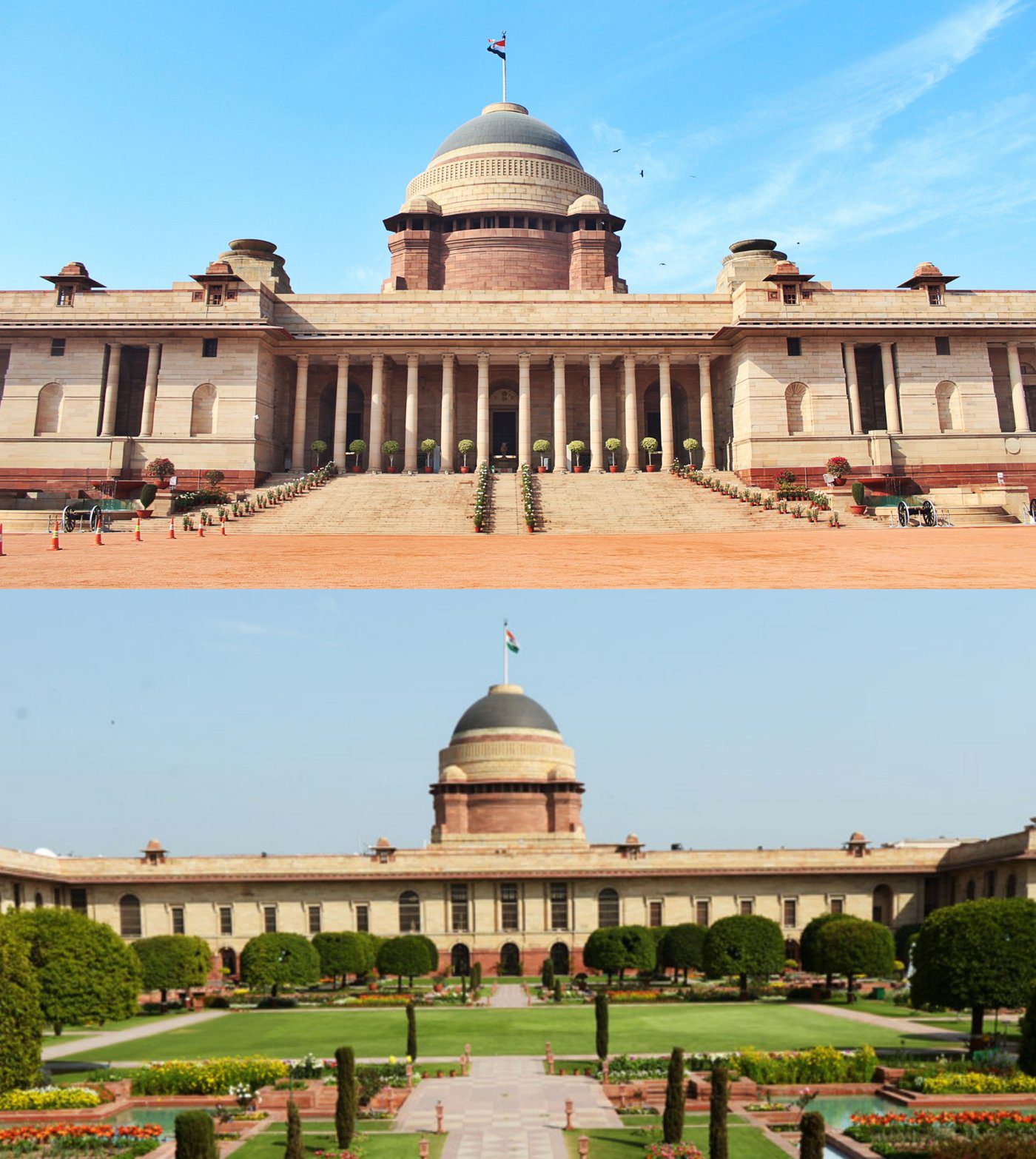
Removal of Jailed Ministers: The 130th Constitution Amendment Bill and the 30-Day Custody Clause
A Parliamentary panel report is likely to retain one of the most debated ideas in recent constitutional reform: a clause in the 130th Constitution Amendment Bill that would automatically remove ministers — including the Prime Minister and Chief Ministers — who are arrested and kept in custody for 30 consecutive days for serious offences. The report is expected to be adopted around 17 July 2026, with opposition members likely to file a dissent note warning that the provision could be misused for political vendetta. For CLAT aspirants, the Bill is a compact case study in ministerial tenure, the presumption of innocence, Article 21 and the separation of powers.
What Happened
The 130th Constitution Amendment Bill introduces a mechanism under which a minister who is arrested and detained in custody for 30 consecutive days on allegations of serious offences would automatically cease to hold office. Crucially, the clause is drafted to apply across the executive — it does not exempt the highest offices, so the Prime Minister and Chief Ministers are within its scope.
The clause has been described as a routine procedural provision adopted before a Bill is formally tabled and scrutinised. The examining Parliamentary panel is expected to retain the contentious clause in its report, which is likely to be adopted around 17 July 2026. Opposition members are expected to submit a dissent note, with the central concern being potential misuse: that agencies could be used to detain a political rival for 30 days purely to trigger automatic removal, sidestepping the ordinary requirement of a conviction.
The CLAT Angle
This story pits two constitutional values against each other, and CLAT thrives on exactly that tension. On one side is the principle of clean governance and collective responsibility — the argument that a minister in prolonged custody cannot discharge public duties and undermines public trust. On the other is the presumption of innocence and the protection of personal liberty under Article 21 — the argument that removal without conviction punishes a person who is, in law, still innocent, and that the clause could be weaponised. Expect a passage to supply a legal principle (for example, “no person shall be deprived of office except by procedure established by law”) and ask you to apply it neutrally to a fact pattern about a jailed minister.
Key Concepts Explained
Ministers Hold Office “At Pleasure” — Articles 75 and 164
Article 75 provides that Union ministers hold office during the pleasure of the President (acting on the advice of the Prime Minister); Article 164 is the State counterpart, with ministers holding office at the pleasure of the Governor on the Chief Minister’s advice. Today, removal is a political process. The 130th Amendment would create an automatic, event-triggered removal — a significant departure from the discretionary “pleasure” doctrine.
Presumption of Innocence and Article 21
The presumption of innocence — a person is innocent until proven guilty — is a cornerstone of criminal justice. Article 21 guarantees that no person shall be deprived of life or personal liberty except according to procedure established by law, and Maneka Gandhi v. Union of India (1978) read into it a requirement of fairness, justness and reasonableness. Critics argue automatic removal on mere detention, without conviction, sits uneasily with these guarantees; supporters counter that holding public office is a privilege subject to reasonable statutory conditions.
Collective Responsibility — Article 75(3)
Under Article 75(3), the Council of Ministers is collectively responsible to the Lok Sabha (and, at the State level, to the Legislative Assembly). The clean-governance argument leans on this: a minister who cannot function while jailed weakens the collective accountability of the government to the legislature.
Criminalisation of Politics
The Supreme Court has repeatedly flagged the criminalisation of politics. In Association for Democratic Reforms cases and later rulings on candidates’ criminal antecedents, the Court pushed for disclosure and cleaner electoral politics. The 130th Amendment is framed by supporters as an extension of this reformist thrust — while critics say removal before conviction goes too far.
Separation of Powers
The separation of powers — a facet of the basic structure — cautions against one branch encroaching on another. Here the worry is executive-agency overreach: if the arresting authority (executive machinery) can effectively unseat an elected minister by securing 30 days’ custody, the clause could blur the line between investigation and political removal, bypassing the judiciary’s role in determining guilt.
Checks on the Executive
Constitutional design balances empowering the executive with restraining it. The Bill is, in one sense, a fresh check on ministerial conduct; in another, opponents fear it hands a coercive tool to whoever controls investigating agencies — hence the demand for safeguards, judicial oversight, and clear definitions of “serious offences”.
Why It Matters for the Exam
The 130th Amendment is prime CLAT material because it forces you to argue a genuinely two-sided constitutional question. The pros to state neutrally: it advances clean governance, reflects collective responsibility under Article 75(3), and continues the Court-backed drive against criminalisation of politics. The cons to state with equal neutrality: it strains the presumption of innocence, risks conflict with Article 21 (as read in Maneka Gandhi), and could be misused against political opponents, raising separation-of-powers alarms. Legal-reasoning sets will reward candidates who can identify the operative principle, apply it to a jailed-minister fact pattern, and resist importing personal opinion. In GK, remember the marker facts: 130th Constitution Amendment Bill, 30 consecutive days in custody, coverage of PM and CMs, panel report expected around 17 July 2026, and an anticipated opposition dissent note. Track whether the final report adds safeguards — that will be the examinable sequel.
Takeaway
The 130th Constitution Amendment Bill would replace political, discretionary removal of ministers with an automatic 30-day-custody trigger reaching even the PM and CMs. Anchor your analysis in Articles 75 and 164 (pleasure doctrine), Article 75(3) (collective responsibility), Article 21 and the presumption of innocence (Maneka Gandhi), and the separation of powers. Whether the clause survives as drafted or gains safeguards, a strong CLAT candidate should be able to argue both the clean-governance case and the liberty-and-fairness case — calmly, and without taking a side.
Test Yourself — Daily Quiz
Practice Quiz — 10 CLAT-Style Questions
Click an option to reveal the answer and explanation.