

CURRENT AFFAIRS | 15 JULY 2026
India and the United Kingdom are in discussions over the UK’s Carbon Border Adjustment Mechanism (CBAM) — a carbon border tax on imports — which New Delhi views as a unilateral, climate-linked trade barrier that could hit Indian exports worth around £775 million.
A CBAM is a levy imposed on imported goods based on the greenhouse-gas emissions embedded in their production. The stated aim is to prevent ‘carbon leakage’ — the shifting of carbon-intensive industry to countries with weaker climate rules — by charging imports a carbon price comparable to what domestic producers pay. The UK announced in December 2023 that its CBAM would begin in 2027, becoming the second major economy after the European Union to adopt such a mechanism.
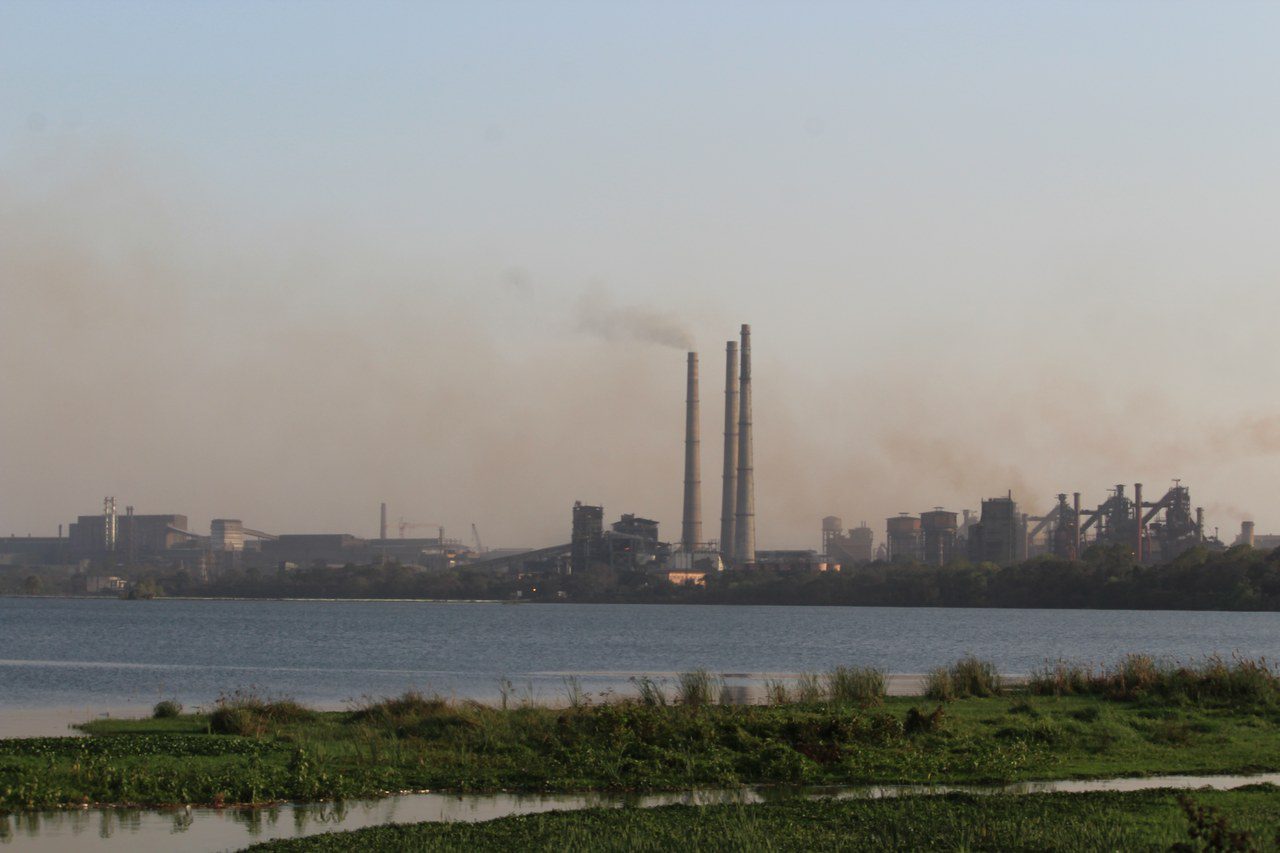
For India, the exposure is concentrated in carbon-intensive sectors. Exports of iron and steel, aluminium, fertiliser and cement — worth roughly £775 million to the UK — would face the carbon charge, eroding the very tariff gains that the new India-UK trade deal delivers. India argues that a CBAM effectively taxes developing-country producers for emissions while shielding domestic industry, functioning as ‘green protectionism’.
The doctrinal frame is climate law layered onto trade law. The Paris Agreement, 2015, adopted under the UN Framework Convention on Climate Change (UNFCCC), rests on the principle of Common But Differentiated Responsibilities and Respective Capabilities (CBDR-RC). This principle recognises that developed countries, having contributed most historical emissions, bear a greater responsibility, and that developing countries should not carry an equal burden. India contends that a CBAM, by imposing a uniform carbon cost regardless of a country’s development stage, violates CBDR-RC and shifts the mitigation burden onto the Global South.
There is also tension with core WTO non-discrimination norms — the Most-Favoured-Nation rule and the National Treatment principle, which requires that imported goods not be treated less favourably than ‘like’ domestic goods. If a CBAM burdens imports more than comparable home production, it may sit uneasily with these rules, though defenders invoke environmental exceptions. India is weighing ‘rebalancing’ or retaliatory duties to protect its exporters, making CBAM a flashpoint at the intersection of climate ambition and fair trade.
🏛️ Constitutional / Legal Framework
- Paris Agreement, 2015 (under the UNFCCC): Global climate treaty built on nationally determined contributions and differentiated responsibility.
- CBDR-RC principle: Common But Differentiated Responsibilities and Respective Capabilities — developed nations bear greater responsibility for historical emissions.
- WTO Most-Favoured-Nation (MFN) rule: Equal tariff treatment among WTO members; a discriminatory carbon charge may strain it.
- National Treatment principle (GATT Article III): Imported goods must not be treated less favourably than ‘like’ domestic products.
- Carbon leakage & rebalancing: CBAM’s rationale (preventing industry flight) and India’s option of retaliatory/rebalancing duties.
⚖️ Why This Matters for CLAT
CBAM is a prime environment-plus-trade crossover, and CLAT increasingly rewards candidates who can connect climate principles to trade rules. Expect a factual question defining CBAM or dating the UK’s move, an assertion-reason linking CBDR-RC to India’s objection, or an application question on whether a carbon charge that burdens imports more than domestic goods offends National Treatment. Keep CBDR-RC (Paris/UNFCCC) and MFN/National Treatment (WTO) as the two doctrinal poles.
📌 Key Facts
| Issue | UK Carbon Border Adjustment Mechanism (CBAM) |
| What CBAM is | Carbon border tax on imports’ embedded emissions |
| UK announcement / start | Announced Dec 2023 / starts 2027 |
| First mover | EU (UK is the second major economy) |
| India’s exposure | ~£775 million (steel, aluminium, fertiliser, cement) |
| Climate basis | Paris Agreement 2015; CBDR-RC under UNFCCC |
| Trade tension | WTO MFN & National Treatment (GATT Art III) |
| India’s response | Objects as ‘green protectionism’; weighs rebalancing duties |
CBAM thus pits climate ambition against trade fairness: the UK frames it as pricing carbon to stop leakage, while India frames it as a unilateral barrier that offends CBDR-RC and strains WTO non-discrimination — a debate CLAT can test from either side.
🧠 Memory Aid
“CBAM taxes carbon at the border; India replies CBDR.” A CBAM prices embedded emissions on imports; India’s counter is Common But Differentiated Responsibilities (Paris/UNFCCC), plus WTO MFN and National Treatment concerns.
Practice Quiz — 10 CLAT-Style Questions
Click an option to reveal the answer and explanation.