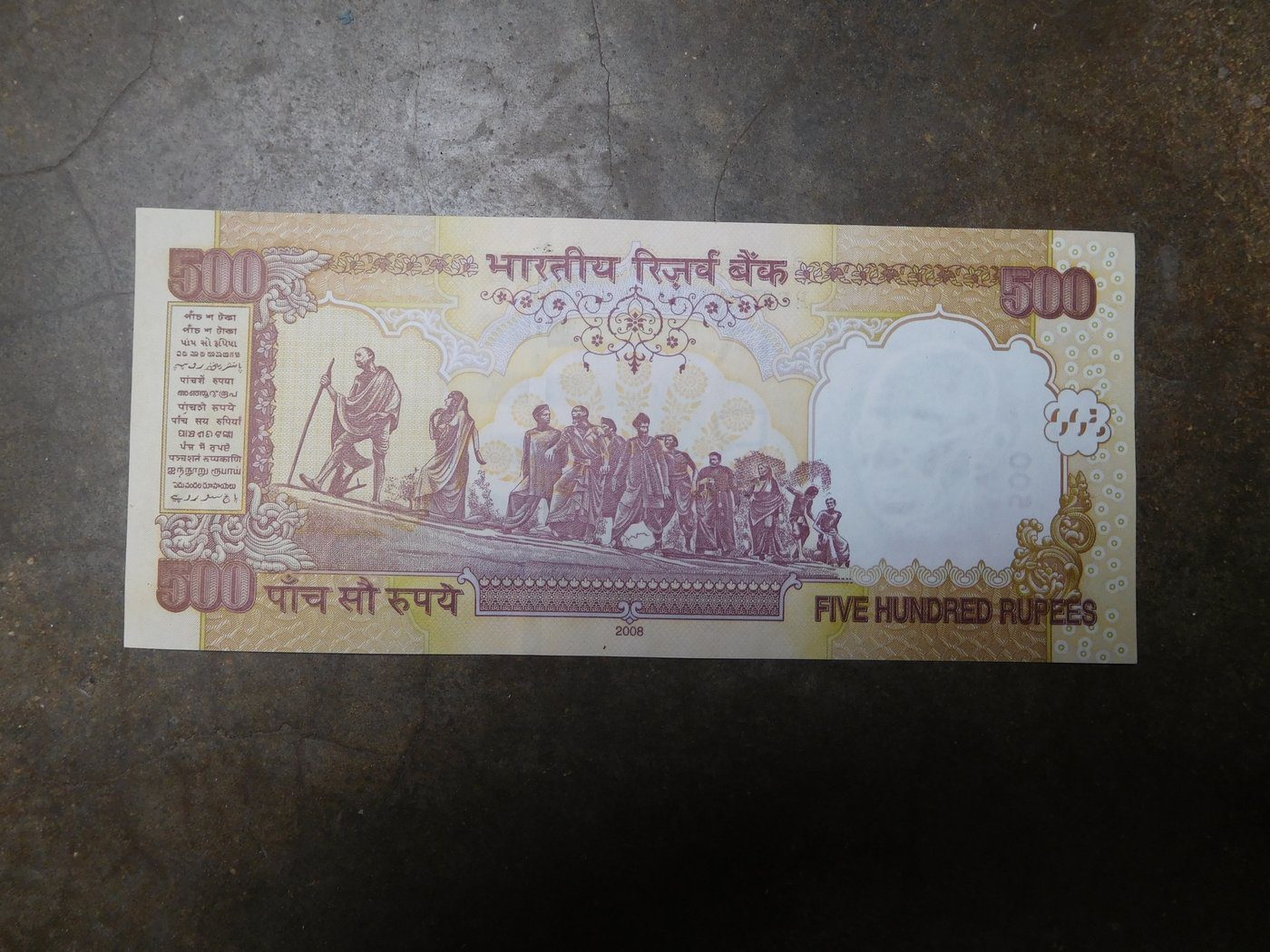
Digital India at 11: Rs 51 Lakh Crore in DBT and the Rights Questions That Follow
When a flagship government programme crosses Rs 51 lakh crore in cumulative Direct Benefit Transfers while simultaneously touching more than a billion lives through an Aadhaar-linked delivery chain, it is both a governance achievement and a constitutional stress test. As Digital India completes 11 years, CLAT aspirants need to hold both truths simultaneously — the efficiency gains and the fundamental rights concerns they raise.
What Happened
The Digital India initiative, launched in July 2015, marks its 11th anniversary. A defining metric of this period is the cumulative Direct Benefit Transfer figure, which has crossed approximately Rs 51 lakh crore — a sum representing welfare subsidies, scholarships, pensions, cooking gas benefits, and other entitlements routed directly into beneficiaries’ bank accounts, bypassing intermediaries. This delivery relies heavily on the JAM trinity: Jan Dhan accounts (banking access), Aadhaar (biometric identity), and Mobile connectivity. Aadhaar-linked authentication has become the backbone of this infrastructure, verifying identity at the point of benefit disbursement across hundreds of central and state government schemes.
The CLAT Angle — Aadhaar Act, Puttaswamy, and the JAM Trinity
The legal architecture underpinning this system is rich with CLAT-relevant material.
The Aadhaar Act, 2016 was enacted to provide legal backing to the Aadhaar biometric identification system administered by the Unique Identification Authority of India (UIDAI). It governs the collection, storage, and use of biometric and demographic data of residents. The Act restricts the use of Aadhaar to purposes it authorises and creates offences for unauthorised use or disclosure of identity information.
Justice K.S. Puttaswamy v. Union of India (2017) is the landmark nine-judge Constitution Bench verdict that unanimously recognised the right to privacy as a fundamental right under Article 21 of the Constitution. The case arose directly from challenges to the Aadhaar programme. The Supreme Court held that privacy is intrinsic to life, liberty, and dignity, and that any state action encroaching on it must satisfy a three-part test: legality (law must exist), legitimate aim (public interest purpose), and proportionality (the means must be the least restrictive necessary to achieve the aim).
In a subsequent five-judge bench decision in 2018, the Supreme Court upheld the Aadhaar Act’s core provisions for government welfare delivery as constitutional but struck down provisions allowing private entities to use Aadhaar for authentication — applying precisely the proportionality framework the nine-judge bench had articulated.
Key Concepts Explained
The JAM Trinity
Jan Dhan-Aadhaar-Mobile is the three-part infrastructure that enables DBT. Jan Dhan Yojana opened bank accounts for hundreds of millions of previously unbanked Indians. Aadhaar provides a unique, biometrically verified identity that links a person across databases. Mobile connectivity completes the last mile — notifications, OTPs, and digital payments flow through mobile numbers seeded with Aadhaar. Together, the trinity allows the government to transfer money directly to the intended beneficiary, dramatically reducing the role of middlemen who historically siphoned off a share of welfare funds.
Direct Benefit Transfer and Leakage
Before DBT, many welfare schemes suffered from what economists call “leakage” — funds meant for beneficiaries captured at various points by corrupt intermediaries or ghost beneficiaries (fake names on rolls). DBT, by transferring money directly into authenticated bank accounts, is credited with substantially reducing such leakage. The government has cited large savings from deduplication and removing ghost beneficiaries from rolls. This is the efficiency argument for the Aadhaar-DBT architecture.
Privacy and the Proportionality Test
The Puttaswamy framework requires that any intrusion into privacy must be proportionate. Critics of the Aadhaar system have raised several concerns: centralised biometric databases create single points of failure and surveillance risk; mandatory Aadhaar linking conditions welfare receipt on surrendering biometric data; authentication failures (due to poor fingerprint recognition of the elderly or manual labourers) have led to documented exclusions from ration shops and pension disbursements. These are genuine rights concerns — the proportionality test asks whether the scale of data collection is justified by the efficiency gained, and whether less invasive alternatives exist.
The IT Act, 2000
The Information Technology Act, 2000 provides the broader digital legal framework — governing electronic documents, digital signatures, cybercrimes, and data protection at the infrastructure level. Digital India’s expansion of e-governance, digital payments, and online service delivery operates within the contours of this Act, though India’s evolving data protection law (the Digital Personal Data Protection Act, 2023) now adds a more specific framework for personal data rights.
Exclusion vs. Efficiency
The most contested dimension of Aadhaar-linked DBT is the trade-off between efficiency and exclusion. When authentication systems fail, real beneficiaries go without food, medicine, or pension. Research by the Right to Food Campaign and independent economists has documented cases where Aadhaar-linked authentication requirements led to denial of rations. The state’s duty under Article 21 (right to life includes the right to food and livelihood) means that systems designed to reduce corruption cannot, as a constitutional matter, be allowed to exclude the genuinely poor as a byproduct.
Why It Matters for the Exam
The Digital India-DBT-Aadhaar complex is a goldmine for CLAT Legal Reasoning passages. Examiners can build passages around the Puttaswamy proportionality test and ask you to apply it to a hypothetical mandatory biometric requirement. They can test whether you understand the difference between the 2017 nine-judge bench (right to privacy) and the 2018 five-judge bench (constitutionality of Aadhaar). The tension between Article 21’s positive content (right to food, livelihood) and its negative dimension (right against state surveillance) is a classic CLAT reasoning framework.
Additionally, the General Knowledge section may directly ask about the Aadhaar Act’s key provisions, UIDAI’s role, or the milestones of the Digital India mission.
Key Takeaway
Digital India’s Rs 51 lakh crore DBT milestone shows the JAM trinity’s power to cut welfare leakage, but the Puttaswamy proportionality test remains the constitutional lens through which courts must evaluate whether the biometric data infrastructure respects the fundamental right to privacy — efficiency and rights must coexist, not compete.
Test Yourself — Quick Quiz
Practice Quiz — 10 CLAT-Style Questions
Click an option to reveal the answer and explanation.