CURRENT AFFAIRS | MAY 30, 2026
India is bracing for its driest monsoon in a decade. The India Meteorological Department (IMD) has revised its seasonal forecast downward, now predicting only 90% of the Long Period Average (LPA) rainfall — down from an earlier 92% and among the lowest IMD forecasts in twenty years. Any figure below 90% of LPA is officially classed as a “deficient” monsoon, so the season sits right on the threshold. For CLAT 2027 aspirants, this is a high-yield Environment-and-Polity story touching food security, climate science, and the Directive Principles.
Why the Forecast Was Cut
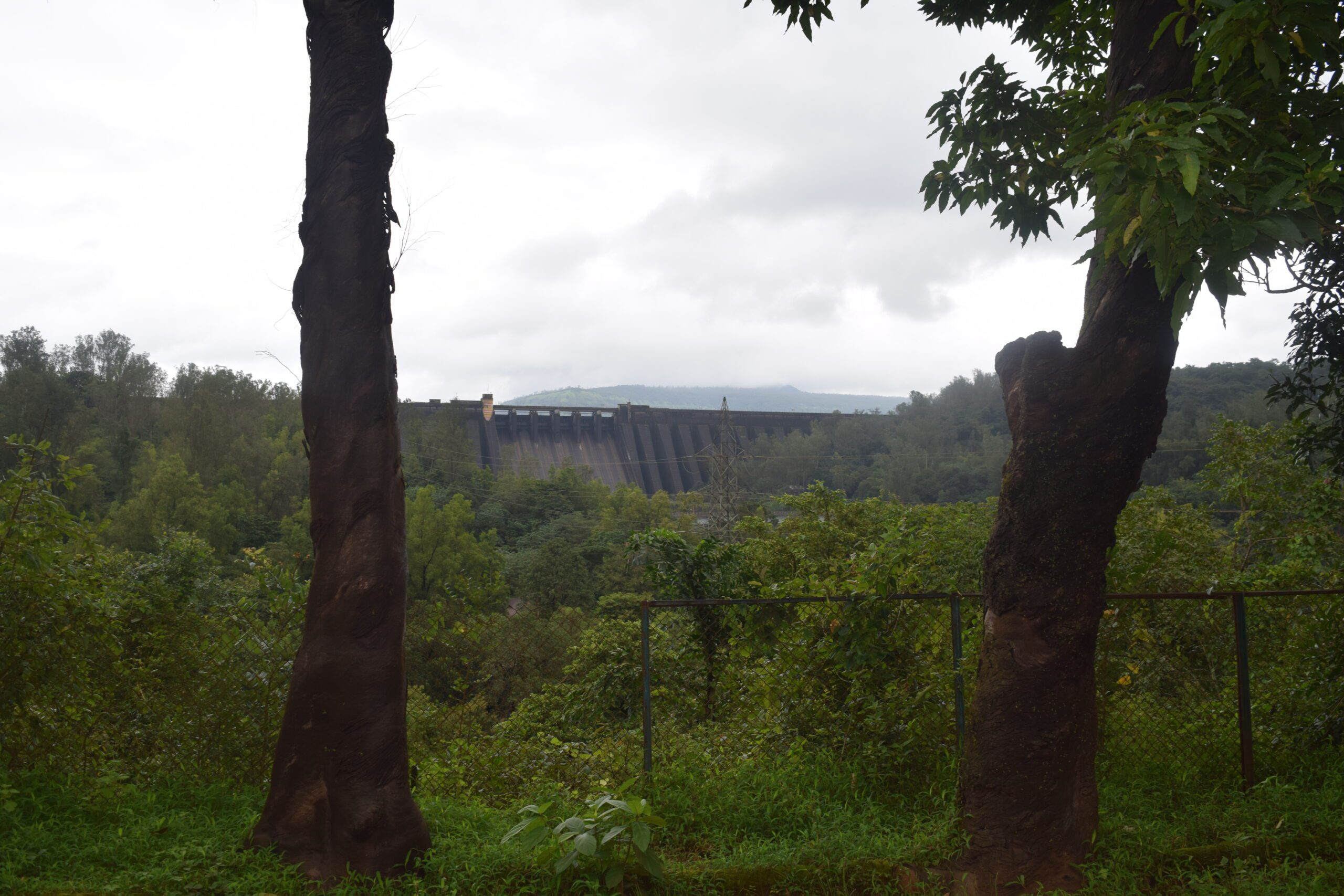
Two climate drivers explain the downgrade. First, an emerging strong El Nino — an abnormal warming of the equatorial Pacific Ocean that historically suppresses Indian monsoon rainfall. Second, a negative Indian Ocean Dipole (IOD), where the warm pole shifts toward the eastern Indian Ocean near the Bay of Bengal, an unfavourable configuration for the monsoon. The 50-year LPA (1971-2020) for the June-September season is 87 cm. There is a silver lining: foodgrain stocks are ample and reservoir levels are adequate. Of the last seven years, five recorded above-100% LPA; only 2021 and 2023 were below normal (99% and 95% respectively). The cracked bed of the Koyna Dam in Satara, Maharashtra, has come to symbolise the anxiety.
Constitutional & Conceptual Framework
- Article 48A — Directive Principle: State shall protect and improve the environment
- Article 51A(g) — Fundamental Duty to protect the natural environment
- El Nino / La Nina (ENSO) — Pacific warming/cooling cycle affecting the monsoon
- Indian Ocean Dipole (IOD) — sea-surface temperature gradient across the Indian Ocean
- Long Period Average (LPA) — benchmark seasonal rainfall; 87 cm for 1971-2020
- “Deficient” monsoon — rainfall below 90% of LPA
- National Monsoon Mission — programme to improve monsoon forecasting
- Buffers — MSP procurement and PM-Kisan income support cushion farmers
Why This Matters for CLAT 2027
This story is a classic GK-current plus static-science combination. Expect direct questions on the meaning of LPA, the 90% deficient threshold, and the 87 cm benchmark. The El Nino (warming) versus La Nina (cooling) distinction is a perennial trap, as is the positive versus negative IOD. On the Polity side, a Legal Reasoning passage may pair Article 48A (DPSP) with Article 51A(g) (fundamental duty) to test the State-citizen division of environmental responsibility. Remember that roughly half of India’s farmland is rain-fed, which is why a deficient monsoon links straight to food security and agrarian distress.
Key Facts (Quick Revision)
| Element | Detail |
|---|---|
| IMD forecast | 90% of LPA (revised down from 92%) |
| Deficient threshold | Below 90% of LPA |
| LPA (1971-2020) | 87 cm for June-September |
| Drivers | Strong El Nino + negative IOD |
| Silver lining | Ample foodgrain stocks, adequate reservoirs |
| Recent below-normal years | 2021 (99%) and 2023 (95%) |
| Symbolic image | Cracked bed of Koyna Dam, Satara |
CLAT Mnemonic — D-R-Y
Deficient = below 90% LPA · Reservoirs adequate (the silver lining) · Year of strong El Nino + negative IOD.
A DRY year, but with buffers in place.
Test Yourself: 10-Question Quiz
The quiz below tests monsoon science, LPA terminology, and the environmental DPSP. Aim for 8/10.
Practice Quiz — 10 CLAT-Style Questions
Click an option to reveal the answer and explanation.
Further Reading for CLAT Aspirants
- Memorise the LPA figure (87 cm) and the 90% deficient threshold.
- Distinguish El Nino (warming) from La Nina (cooling) and positive vs negative IOD.
- Pair Article 48A (DPSP) with Article 51A(g) (fundamental duty).