CURRENT AFFAIRS | 17 JUNE 2026
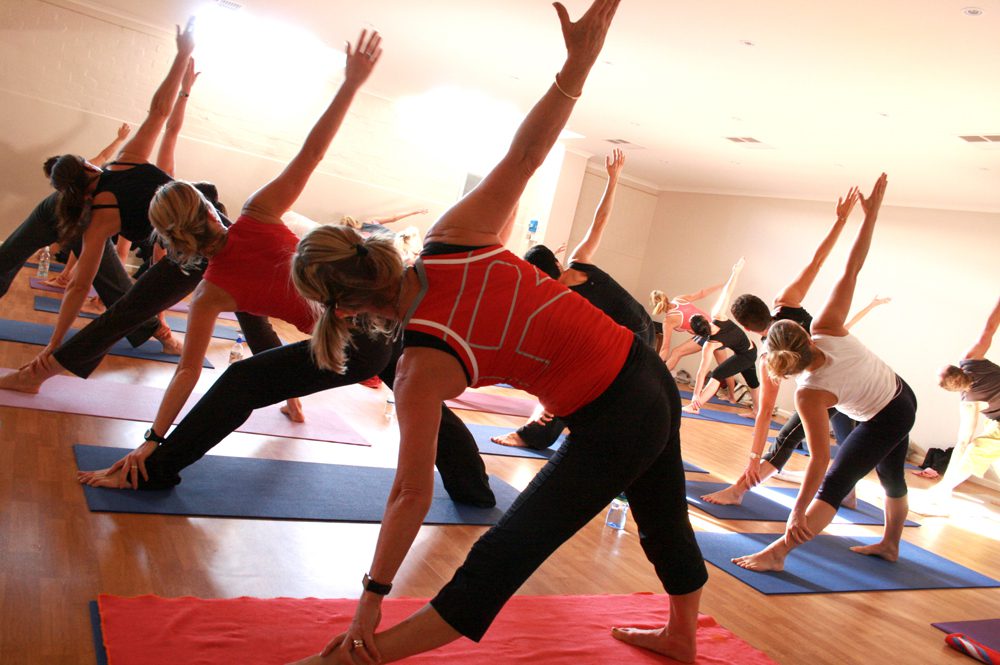
On June 21, 2026, India and the world will observe the 12th International Day of Yoga (IDY), with the main national event being held in Kolkata. More than a wellness occasion, the day is a study in how a civilisational practice became an instrument of cultural diplomacy – a piece of “soft power” that India successfully internationalised through the United Nations.
The day’s origin lies in UNGA Resolution 69/131, adopted on December 11, 2014, which proclaimed June 21 as the International Day of Yoga. The proposal was first made by India during the Prime Minister’s address to the UN General Assembly in September 2014, and the resolution drew a record 177 co-sponsors – an unusually broad show of support that itself signalled yoga’s global reach. June 21 was a deliberate choice: it is the summer solstice, the longest day of the year in the Northern Hemisphere, a date rich with symbolic significance across many cultures.
Within India, the Ministry of AYUSH (Ayurveda, Yoga and Naturopathy, Unani, Siddha and Homoeopathy) anchors the observance and the broader promotion of traditional health systems. Yoga’s international standing was further cemented when it was inscribed on UNESCO’s Representative List of Intangible Cultural Heritage in 2016. Together, the UNGA resolution, the UNESCO inscription and the annual mass observances illustrate a coherent strategy: converting heritage into diplomacy. For a country that is not a permanent member of the UN Security Council, the ability to set a global calendar date is a meaningful exercise of soft power.
The day rests on the work of the United Nations General Assembly (UNGA) – the UN’s main deliberative organ where all member states are represented – through Resolution 69/131. Domestically, the Ministry of AYUSH coordinates yoga promotion. The 2016 UNESCO Intangible Cultural Heritage inscription operates under the 2003 UNESCO Convention. These are classic instruments of soft power and cultural diplomacy, distinct from the hard power of military or economic coercion.
Yoga Day is a perennial GK favourite. Lock in the static anchors: date (June 21 = summer solstice), UNGA Resolution 69/131 (Dec 11, 2014), record 177 co-sponsors, Ministry of AYUSH, and the 2016 UNESCO inscription. CLAT also frames it conceptually – as soft power/cultural diplomacy and as an example of an India-led international day – so be ready for both factual and reasoning-style questions.
| Date | June 21 (summer solstice) |
| 2026 edition | 12th International Day of Yoga |
| 2026 main venue | Kolkata |
| UNGA resolution | 69/131, adopted Dec 11, 2014 |
| Proposed by | India, PM’s UNGA address Sept 2014 |
| Co-sponsors | Record 177 |
| Nodal ministry | Ministry of AYUSH |
| UNESCO heritage | Yoga inscribed 2016 |
“69-131 on the longest day”: Resolution 69/131, June 21 solstice, 177 co-sponsors, 2016 UNESCO. Think “AYUSH on the Sun’s longest day” to bundle ministry + solstice together.
Why This Matters for CLAT: The International Day of Yoga shows how a nation translates cultural heritage into diplomatic influence. For aspirants it reinforces how UNGA resolutions are made and what the General Assembly is, distinguishes soft power from hard power, and links domestic institutions (Ministry of AYUSH) to international recognition (UNESCO 2016). It is a reliably tested item where Culture, International Relations and General Knowledge converge.
Practice Quiz — 10 CLAT-Style Questions
Click an option to reveal the answer and explanation.