
CURRENT AFFAIRS | 13 JUNE 2026
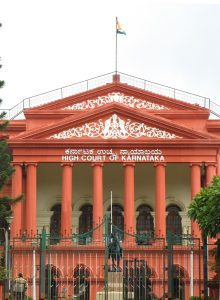
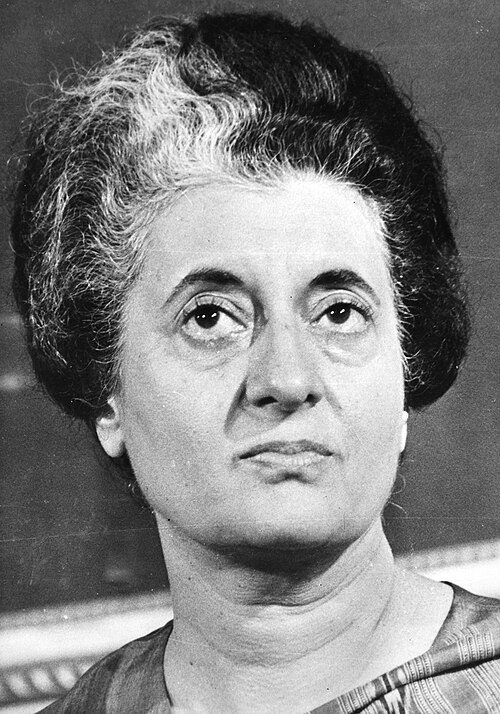
Half a century on, June 12 remains one of the most consequential dates in India’s constitutional history. On June 12, 1975, the Allahabad High Court, through Justice Jagmohanlal Sinha, found Prime Minister Indira Gandhi guilty of electoral malpractices in her 1971 Rae Bareli election victory.
The petition had been filed by socialist leader Raj Narain, whom she had defeated. Of the 14 charges, the court upheld two, that she had misused government officials and machinery for her campaign. It set aside her election and barred her from contesting any election for six years. On June 24, 1975, Justice V.R. Krishna Iyer of the Supreme Court granted a conditional stay, allowing her to remain an MP and attend Parliament but neither vote nor draw a salary.
The very next day, June 25, 1975, the Emergency was proclaimed under Article 352 by President Fakhruddin Ali Ahmed on the Prime Minister’s advice, citing “internal disturbance”. A single high court ruling had set in motion the darkest constitutional chapter of independent India.
Constitutional / Legal Framework
The Emergency was declared under Article 352 on the ground of “internal disturbance”, a phrase later replaced with “armed rebellion” by the 44th Amendment, 1978. The election dispute itself arose under Article 329(b) (election petitions) and Section 123 of the Representation of the People Act, 1951 (corrupt practices). The 39th Amendment, 1975, which sought to place the PM’s election beyond judicial review, was struck down in Indira Nehru Gandhi v. Raj Narain (1975) for violating the basic structure. The era’s most infamous ruling, ADM Jabalpur v. Shivkant Shukla (1976), the habeas corpus case, was later disowned.
CLAT Angle
This is among the richest constitutional-history topics for CLAT. A single passage can test the Emergency provisions, the basic structure doctrine, judicial review, and the 39th and 44th Amendments. The chain of dates, June 12 (HC verdict), June 24 (conditional stay), June 25 (Emergency), is a favourite for match-the-following and assertion-reason questions.
Key Facts
| Court & date | Allahabad HC, June 12, 1975 |
| Judge | Justice Jagmohanlal Sinha |
| Petitioner | Raj Narain |
| Outcome | Election void; 6-year ban (2 of 14 charges upheld) |
| Conditional stay | June 24, 1975 (Justice V.R. Krishna Iyer) |
| Emergency | June 25, 1975, under Article 352 |
Mnemonic / Memory Hook
“12-24-25: Verdict, Stay, Emergency.” June 12 = Allahabad HC verdict; June 24 = Krishna Iyer’s conditional stay; June 25 = Emergency under Article 352. Then remember “39 falls, 44 fixes”, the 39th Amendment was struck down, and the 44th later curbed Emergency misuse.
Why this matters for CLAT 2027: The 1975 episode is the single best gateway to the Emergency, basic structure and judicial-review themes that dominate CLAT 2027 Legal Reasoning and GK. Lock down the date chain and the two amendments, and you own an entire cluster of likely questions.
Practice Quiz — 10 CLAT-Style Questions
Click an option to reveal the answer and explanation.