
CURRENT AFFAIRS | 11 JULY 2026
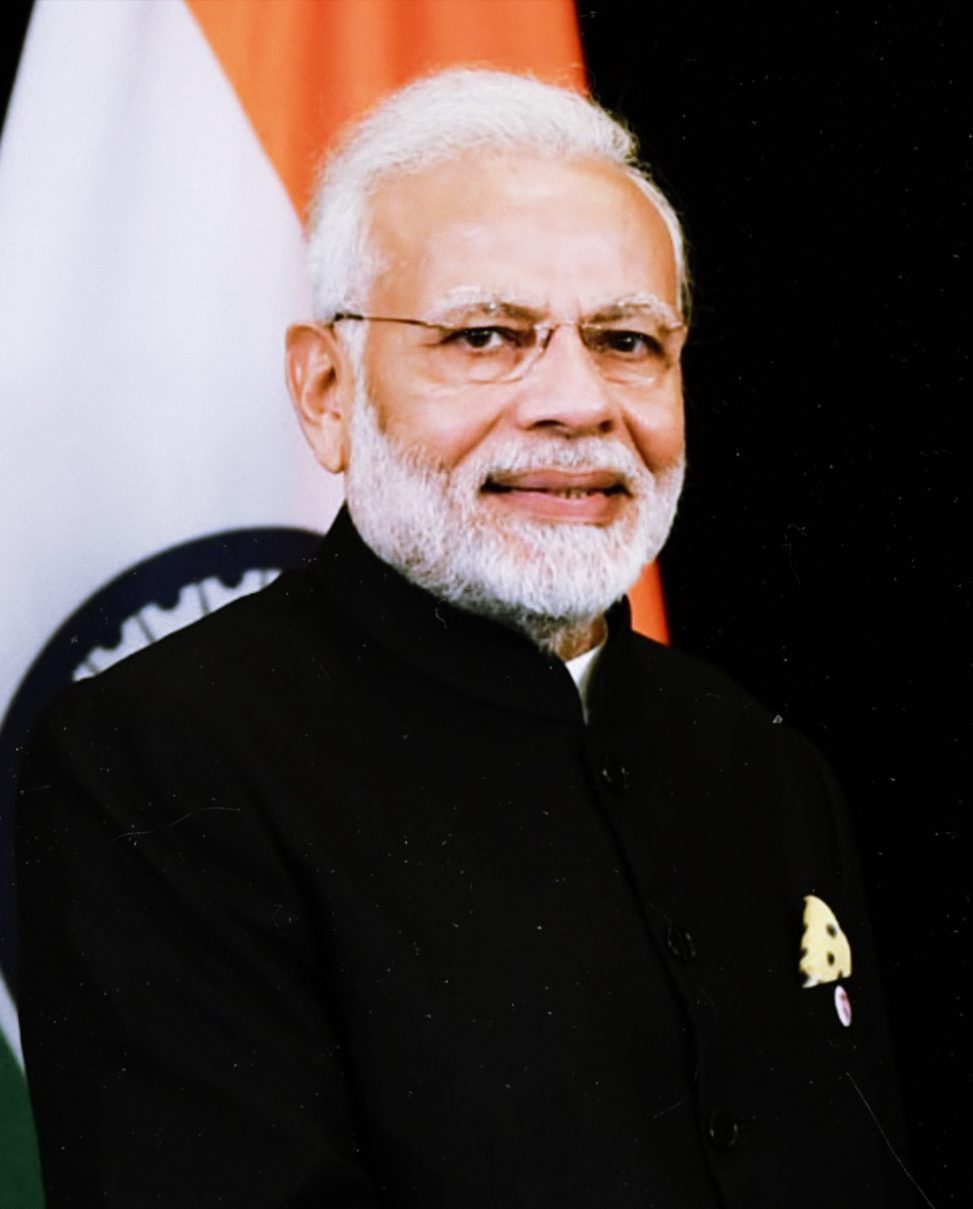
Prime Minister Narendra Modi has landed in Auckland to meet New Zealand PM Christopher Luxon — the first visit by an Indian Prime Minister to New Zealand in 40 years, and a clear marker of Delhi’s deepening Indo-Pacific push.
The visit is the diplomatic follow-through to a fast-moving economic relationship. India-New Zealand Free Trade Agreement negotiations were launched in March 2025 during PM Luxon’s visit to India, and India completed the FTA in April 2026 after the 13th round of talks. Current bilateral trade stands at roughly US$2.25 billion — modest by global standards, but the FTA and tariff-free access are expected to double goods and services trade by 2030, with New Zealand investment flowing into India over the coming years.
Beyond tariffs, the agenda spans trade and investment, high-tech innovation in dairy and farming, and sports — cricket being the obvious cultural bridge. Modi is also set to address the Indian diaspora, a recurring feature of his foreign visits that doubles as soft-power outreach. According to the Ministry of External Affairs, the trip strengthens bilateral ties across trade, defence, sports, culture, education and people-to-people links.
Strategically, the timing is deliberate. The visit forms part of a three-nation tour and slots into India’s broader Indo-Pacific engagement at a moment of heightened Chinese assertiveness in the region. For a maritime democracy like New Zealand, closer alignment with India offers ballast; for India, every Indo-Pacific partnership widens the coalition backing a free, open and rules-based order. This is where trade diplomacy and geopolitics visibly converge.
🏛️ Constitutional / Legal Framework
- Free Trade Agreement (FTA): a treaty reducing or eliminating tariffs and trade barriers between signatories.
- Ministry of External Affairs (MEA): the nodal ministry conducting India’s foreign relations and treaty negotiation.
- Indo-Pacific: India’s strategic framework for a free, open and rules-based maritime order.
- Treaty-making power: flows from the Union’s authority over foreign affairs (Union List, Seventh Schedule; Article 253 enables Parliament to legislate to implement treaties).
⚖️ Why This Matters for CLAT
Bilateral visits and FTAs are reliable GK and current-affairs fodder — expect date, place and counterpart-name recall. Legal-reasoning links come through treaty implementation (Article 253) and the Union’s exclusive competence over foreign affairs. The Indo-Pacific framing also connects to India’s wider multi-alignment strategy that recurs across the GK section.
📌 Key Facts
| Milestone | First Indian PM visit to New Zealand in 40 years |
| Host / Venue | PM Christopher Luxon, Auckland |
| FTA launched | March 2025 (completed April 2026, 13th round) |
| Bilateral trade | ~US$2.25 billion |
| Trade goal | Double goods & services trade by 2030 |
| Focus sectors | Dairy, farming, high-tech, sports (cricket) |
| Strategic frame | Indo-Pacific outreach; three-nation tour |
🧠 Memory Hook
“40 years, Auckland, Luxon, FTA-by-2030” — think “LUXON = Link Up, eXpand trade, Open New-Zealand.”
Practice Quiz — 10 CLAT-Style Questions
Click an option to reveal the answer and explanation.