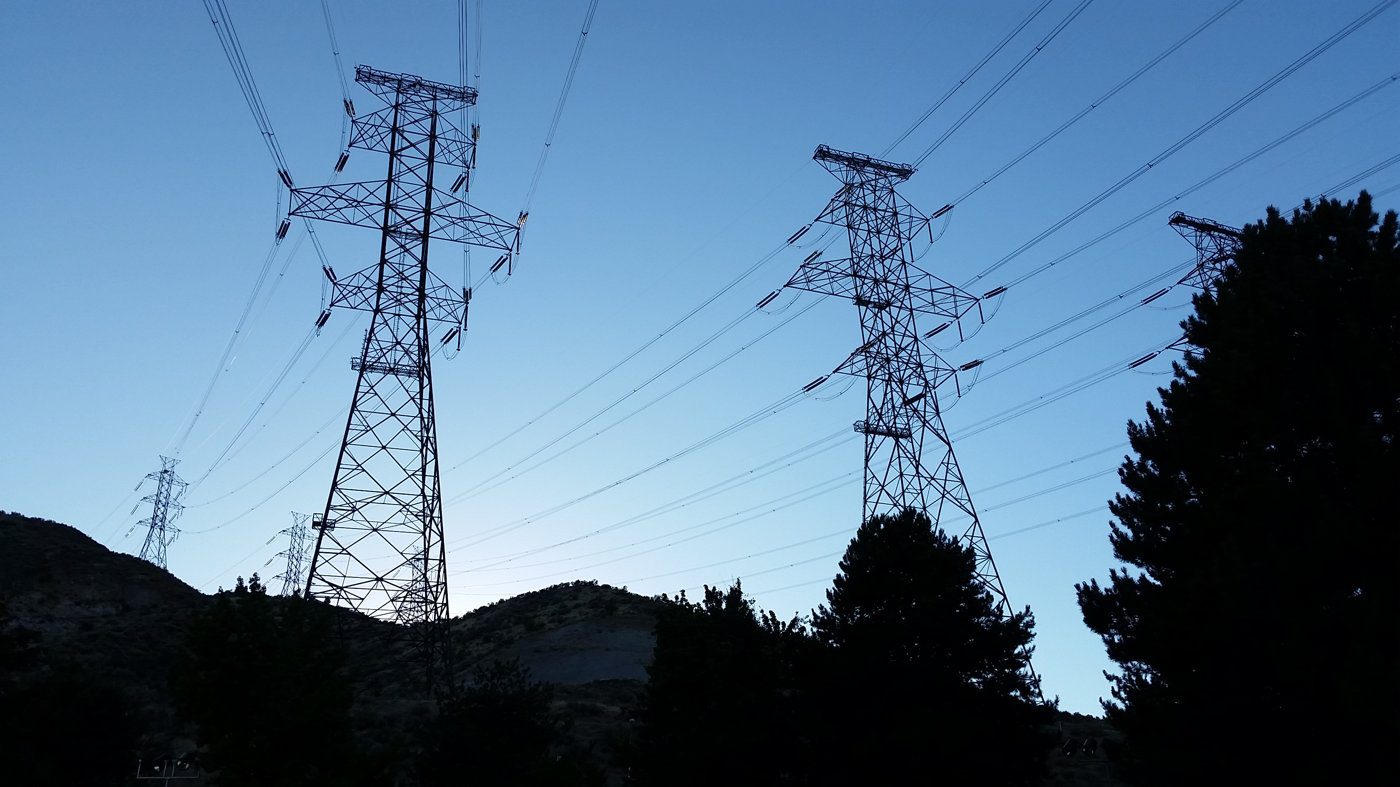
The Union Power Ministry is preparing a detailed advisory to shield India’s electricity grid from the disruptive effects of El Niño, a climate phenomenon that can weaken the monsoon and strain the country’s power balance. The move signals how closely energy security is now tied to climate variability.
What Has Happened
The Union Power Ministry is expected to issue a comprehensive advisory to all major stakeholders in the electricity sector. The intended recipients include state governments, State Load Despatch Centres (SLDCs), power generation and transmission companies, and the Central Electricity Authority (CEA). The advisory follows a high-level review, undertaken in the context of a Prime Minister’s Office assessment of the possible fallout from an erratic or deficient monsoon.
The central worry is straightforward. El Niño conditions are associated with weaker south-west monsoons over India, and a delayed or deficient monsoon can ripple through the entire power system — cutting into hydropower output, dampening wind generation, and pushing up cooling demand as temperatures rise. The advisory is a pre-emptive attempt to keep the grid stable through a potentially difficult season.
Understanding El Niño and the Monsoon Link
El Niño is the warm phase of a larger climate pattern called the El Niño–Southern Oscillation, or ENSO. During an El Niño event, sea-surface temperatures in the central and eastern equatorial Pacific Ocean become unusually warm. This shift in ocean temperatures alters atmospheric circulation across the tropics and, for India, is historically linked to below-average monsoon rainfall.
The Indian south-west monsoon, which runs roughly from June to September, supplies the bulk of the country’s annual rainfall. Because so much of India’s agriculture, water storage and hydroelectric generation depends on this rainfall, any weakening of the monsoon has consequences that reach well beyond farming. The power sector is one of the most exposed.
Why the Power Grid Is Vulnerable
India’s electricity is produced from a mix of sources — coal-based thermal plants, hydropower, wind, solar, nuclear and gas. A weak monsoon disturbs this balance in several ways at once.
- Hydropower falls: Reservoirs behind hydroelectric dams depend on monsoon inflows. Deficient rainfall lowers reservoir levels and reduces the electricity that hydropower stations can generate.
- Wind generation dips: The monsoon season is also a peak period for wind power in many regions. A disturbed monsoon can reduce wind output.
- Demand rises: Hotter, drier conditions push up cooling demand, while farmers running irrigation pumps draw more power to compensate for the shortfall in rain.
When cleaner and cheaper hydropower and wind fall short at the very moment demand climbs, the system is forced to lean more heavily on coal-based thermal plants to fill the gap. That makes the reliability of thermal generation critical.
What the Advisory Is Expected to Recommend
The advisory is understood to focus on a set of practical, preventive measures aimed at keeping supply steady through the high-demand months.
- Adequate coal stocks: Thermal power plants are advised to maintain sufficient coal inventories so that generation is not interrupted by fuel shortages when demand peaks.
- Reliable water for thermal plants: Thermal stations need large volumes of water for cooling and steam generation. In regions facing rainfall deficits, ensuring reliable water availability becomes essential to keep these plants running.
- Shifting farm demand to solar hours: A key demand-side idea is to move agricultural power consumption to daytime hours, when solar generation is abundant. Running irrigation pumps during the day allows the grid to soak up plentiful daytime solar output instead of straining evening supply.
- Preventive maintenance of thermal units: Carrying out maintenance in advance is advised to minimise forced outages — unplanned breakdowns — during periods of peak demand, when every unit of capacity matters.
Load Management and Demand-Side Thinking
The proposal to shift agricultural demand to daytime solar hours is a good example of demand-side management. Rather than only building more supply, grid operators try to reshape when electricity is consumed so that it better matches when power is cheaply available. Aligning irrigation with the solar peak is a low-cost way to ease pressure on the grid and make fuller use of India’s growing solar fleet.
State Load Despatch Centres, which balance electricity supply and demand in real time within each state, are central to this effort. The CEA, the country’s apex technical planning body for the power sector, provides the overarching guidance. Together they form the institutional backbone through which such an advisory would be implemented.
The Bigger Picture: Climate-Resilient Grids
This episode reflects a wider shift in how India thinks about its power system. As the country adds more renewable energy — which is inherently weather-dependent — and as climate variability grows, the grid must become more flexible and resilient. Balancing a thermal-hydro-renewable mix through an uncertain monsoon is now a routine planning challenge, not an occasional emergency. Diversifying sources, strengthening storage, improving forecasting and managing demand intelligently are all part of building a climate-resilient grid.
The CLAT Angle
For CLAT aspirants, this story sits squarely within the Current Affairs and General Knowledge component and connects to several recurring themes. First, it tests awareness of El Niño and ENSO as a climate concept — the kind of factual anchor that comprehension passages often build upon. Candidates should be able to state clearly that El Niño is the warm phase of the ENSO and is associated with weaker Indian monsoons.
Second, the passage rewards an understanding of energy security and India’s energy mix. Knowing the roles of thermal, hydro, wind and solar power — and how a weak monsoon shifts reliance towards coal — allows a reader to answer inference-based questions about cause and effect. Terms such as demand-side management, load management and forced outages are the kind of vocabulary that CLAT comprehension sets like to define or apply.
Third, it introduces key institutions — the Union Power Ministry, the Central Electricity Authority and State Load Despatch Centres — whose functions may appear in static GK or be referenced in a passage. Finally, the story links climate change to governance and infrastructure, a cross-cutting theme that CLAT increasingly favours because it lets a single passage test science, economics and policy together. Aspirants who can connect the monsoon to hydropower, and hydropower to grid stability, will find such passages far easier to navigate.
Test Yourself — Daily Quiz
Practice Quiz — 10 CLAT-Style Questions
Click an option to reveal the answer and explanation.