

CURRENT AFFAIRS | MAY 30, 2026
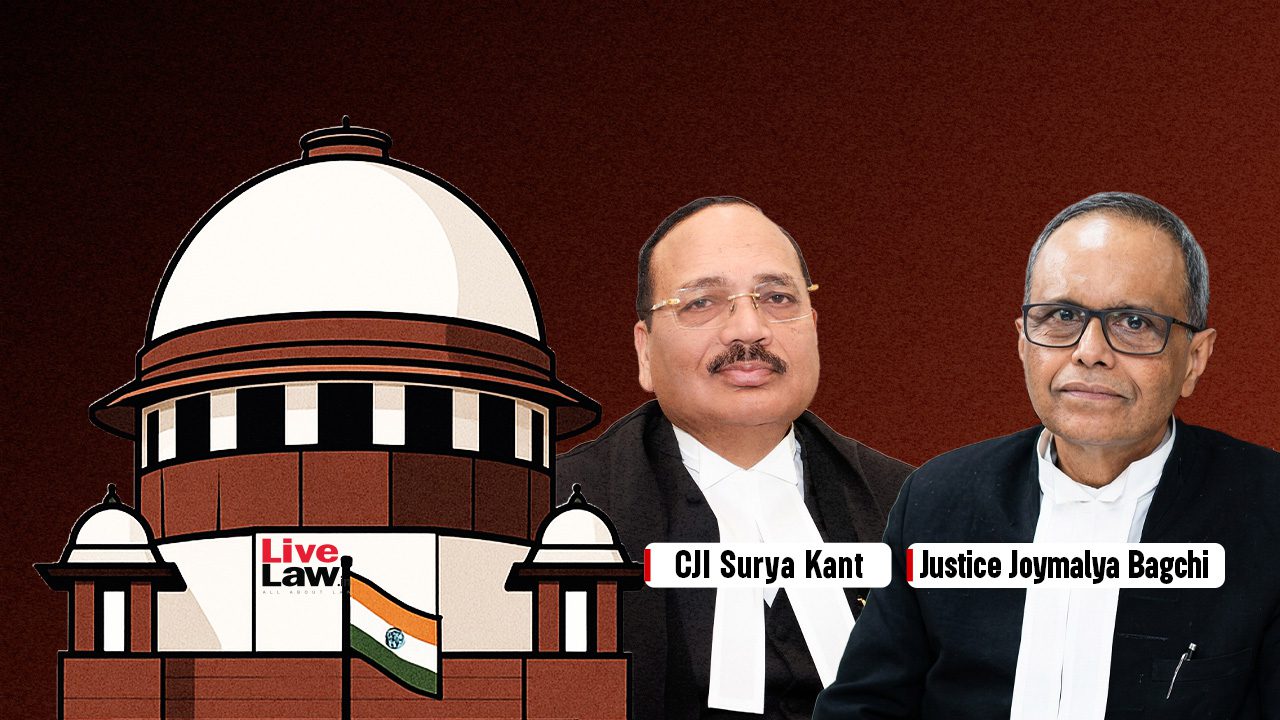
On 29 May 2026, a Bench of the Supreme Court comprising Chief Justice of India Surya Kant and Justice Joymalya Bagchi issued a set of landmark directions to all High Courts: pronounce reserved judgments within three months of the conclusion of hearing, decide bail applications involving personal liberty with “extra promptitude” (preferably the same day), and upload reasoned orders on the High Court website within 24 hours. The directions came on a petition by four convicts serving life sentences whose criminal appeals had lain reserved before the Jharkhand High Court. For CLAT 2027 aspirants, this ruling is a textbook application of Article 21 jurisprudence and the principle that “justice delayed is justice denied.”
What the Supreme Court Actually Directed
The Court observed that delivering judgments long after arguments conclude erodes public confidence in the judicial process and infringes the right to personal liberty. It laid down a graded monitoring mechanism: Chief Justices of High Courts must maintain periodic lists of reserved matters; if a judgment remains pending beyond three months, the Registrar General places it before the Chief Justice; if it crosses six months, parties may seek re-listing or reassignment to another Bench. Bail orders, if reserved, must be pronounced the next day and uploaded within 24 hours. The ruling builds directly on Anil Rai v State of Bihar (2001), where the Court first prescribed timelines for High Court judgment delivery.
Constitutional & Statutory Framework
- Article 21 — Protection of life and personal liberty (delay in liberty matters is itself a violation)
- Article 14 — Equality before law and equal protection
- Article 226 — Writ jurisdiction of High Courts
- Article 227 — Power of superintendence of High Courts over subordinate courts
- Maneka Gandhi v Union of India (1978) — “procedure established by law” must be fair, just and reasonable
- Hussainara Khatoon v State of Bihar (1979) — speedy trial is part of Article 21
- Anil Rai v State of Bihar (2001) — SC first laid timelines for HC judgment delivery
- A.R. Antulay v R.S. Nayak (1992) — right to speedy trial across all stages
Why This Matters for CLAT 2027
Expect a Legal Reasoning passage built on the “speedy justice = Article 21” chain of authority. The setters will likely supply a principle drawn from Hussainara Khatoon or Anil Rai and ask you to apply it to a fact pattern of delayed bail or a reserved judgment. Watch the distinction between Article 226 (original writ remedy) and Article 227 (administrative superintendence) — the monitoring mandate flows from 227. A common Current Affairs trap is to confuse Anil Rai (HC judgment timelines) with A.R. Antulay (speedy trial). Also note the maxim “justice delayed is justice denied” and its converse “justice hurried is justice buried” — both can anchor an assertion-reason question on judicial efficiency versus due deliberation.
Key Facts (Quick Revision)
| Element | Detail |
|---|---|
| Bench | CJI Surya Kant & Justice Joymalya Bagchi |
| Verdict timeline | Within 3 months of conclusion of hearing |
| Bail orders | Preferably same day; uploaded within 24 hours |
| Beyond 3 months | Registrar General places matter before Chief Justice |
| Beyond 6 months | Parties may seek re-listing / reassignment |
| Trigger case | Appeals of 4 life convicts reserved by Jharkhand HC |
| Foundational precedent | Anil Rai v State of Bihar (2001) |
CLAT Mnemonic — C-L-O-C-K
Conclude-to-verdict in 3 months · Liberty/bail matters same-day · Open-court reasoned order · Cause-list of reserved cases monitored · Keep judgments uploaded within 24 hours.
Remember: the judiciary is racing against the CLOCK to protect Article 21.
Test Yourself: 10-Question Quiz
The quiz below tests Article 21 jurisprudence, the speedy-trial line of cases, and the structure of the Supreme Court’s new directions. Aim for 8/10.
Practice Quiz — 10 CLAT-Style Questions
Click an option to reveal the answer and explanation.
Further Reading for CLAT Aspirants
- Read Hussainara Khatoon on speedy trial as a facet of Article 21.
- Compare the timelines in Anil Rai (2001) with the 2026 directions.
- Note Articles 226 vs 227 — writ remedy versus superintendence.