CURRENT AFFAIRS | 18 JUNE 2026
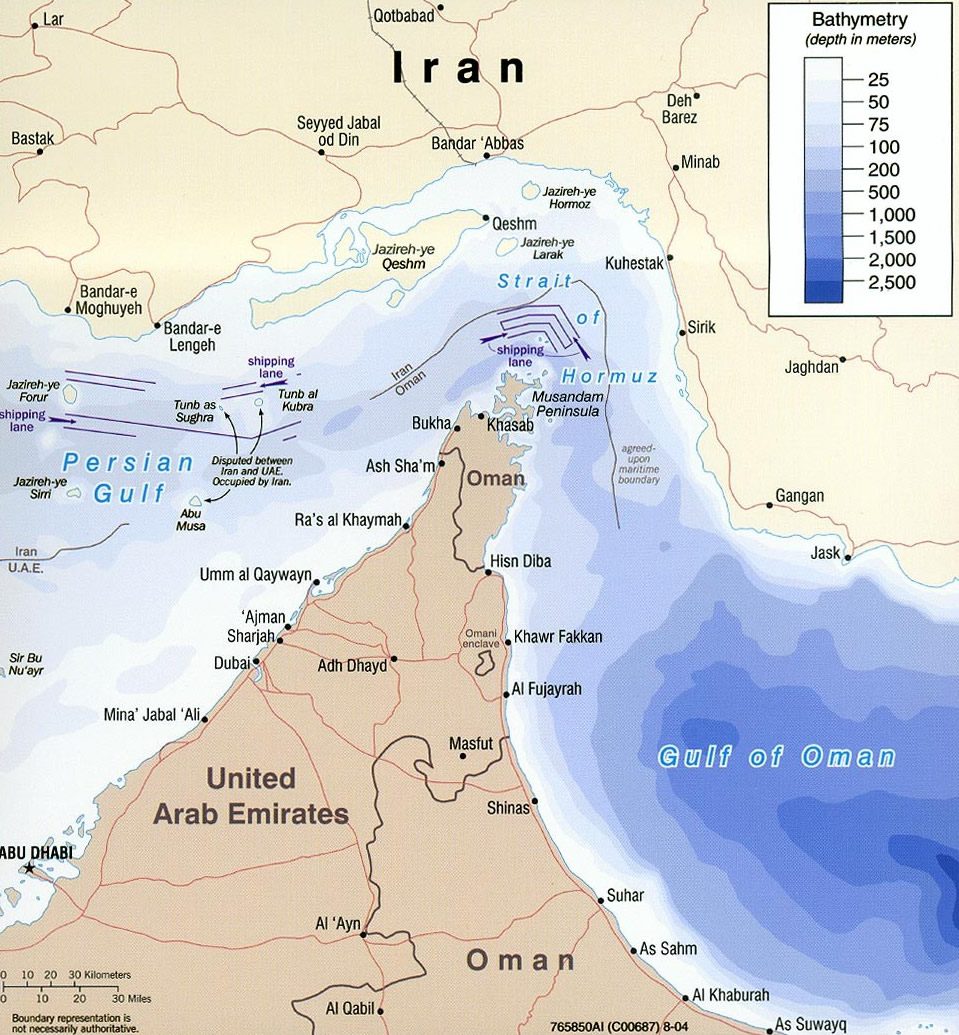
The leaders of the G7, meeting at Evian in France, welcomed a draft US-Iran deal and called for an immediate ceasefire in Lebanon, signalling a possible off-ramp from weeks of escalating Gulf conflict. The draft’s headline terms are sweeping: an immediate and permanent end to the war on all fronts including Lebanon; mutual respect for sovereignty and territorial integrity; a maximum 60-day window to negotiate a final agreement; and the lifting of the US naval blockade with the restoration of Persian Gulf shipping traffic within 30 days. Crucially for energy markets, the draft provides that the movement of merchant ships through the Strait of Hormuz resumes within 30 days, with the US Treasury issuing waivers for Iranian crude and petrochemical exports.
On the nuclear question — the heart of the dispute — Iran reaffirms in the draft that it will never produce enriched nuclear weapons and will maintain the status quo on its nuclear programme. The package also promises some $300 billion in financing for Iran’s reconstruction, and provides that the whole arrangement be approved through a binding United Nations Security Council resolution. President Trump, characteristically, warned that “if I don’t like it, we’ll go back to shooting, dropping bombs.” India — a major stakeholder given its dependence on Gulf crude and the safety of the Hormuz shipping lane — is conspicuously not a party to the deal, even as its energy security hangs on the outcome.
The legal scaffolding here is rich in CLAT-relevant international law. Nuclear non-proliferation runs on the Nuclear Non-Proliferation Treaty (NPT) of 1968, built on three pillars: non-proliferation, disarmament, and the peaceful use of nuclear energy. Verification of whether a country is enriching uranium for civilian or military ends falls to the International Atomic Energy Agency (IAEA) through its safeguards regime. The present crisis is the long tail of the 2015 Joint Comprehensive Plan of Action (JCPOA) — the original Iran nuclear deal — which the United States abandoned in 2018, triggering Iran’s gradual breach of enrichment limits.
Two further pillars complete the picture. First, the legal force of any Security Council resolution: under Article 25 of the UN Charter, member states agree to accept and carry out the decisions of the Council, and a Chapter VII resolution can be binding on all members. Second, the freedom of navigation through the Strait of Hormuz is governed by the UN Convention on the Law of the Sea (UNCLOS), 1982, whose regime of transit passage through international straits guarantees continuous and expeditious passage for ships and aircraft. A vital aspirant fact: India never signed the NPT, calling it discriminatory, yet it accepts IAEA safeguards on its civilian reactors following the 2008 India-US civil nuclear deal and the Nuclear Suppliers Group waiver.
International, not domestic, law dominates here. The NPT (1968) rests on three pillars: non-proliferation, disarmament and peaceful use of nuclear energy. The IAEA administers safeguards verifying enrichment. UN Charter Article 25 binds members to accept Security Council decisions, and Chapter VII resolutions can be binding. UNCLOS 1982 governs the Strait of Hormuz through the regime of transit passage (Part III). The JCPOA (2015) was the deal the US quit in 2018. India is NOT an NPT signatory but accepts IAEA safeguards on civilian reactors post the 2008 India-US nuclear deal and NSG waiver.
This single dispute packs the GK and Legal Reasoning value examiners crave: identify the treaty (NPT), the verifier (IAEA), the defunct prior deal (JCPOA), the binding force of UNSC resolutions (Article 25), and the navigation regime of the Strait of Hormuz (UNCLOS transit passage). The signature CLAT trap is the claim that India ‘signed the NPT’ — it never did. Expect a passage testing whether a Security Council resolution binds members, or distinguishing transit passage from innocent passage.
| Welcomed by | G7 leaders at Evian, France |
| Final-deal window | Maximum 60 days |
| Hormuz shipping resumes | Within 30 days; US lifts naval blockade |
| Reconstruction finance | ~$300 billion for Iran |
| Approval mechanism | Binding UN Security Council resolution |
| India’s status | Major stakeholder, but NOT a party |
“NPT = No Proliferation Treaty; IAEA = Inspectors Always Examine Atoms”. For navigation, remember “Hormuz = UNCLOS Transit” and “25 = States Submit” — Article 25 of the UN Charter binds members to UNSC decisions.
Why This Matters for CLAT: The US-Iran draft is a one-stop revision of nuclear-and-maritime international law. For CLAT 2027 it rewards a layered reading: name the non-proliferation framework (NPT plus IAEA safeguards), trace the JCPOA backstory, fix the binding force of a Chapter VII UNSC resolution under Article 25, and apply UNCLOS transit passage to the Strait of Hormuz. Anchor the India-specific fact — non-signatory to the NPT, yet IAEA-safeguarded since 2008 — and you can defuse the paper’s favourite trap.
Practice Quiz — 10 CLAT-Style Questions
Click an option to reveal the answer and explanation.