CURRENT AFFAIRS | 28 MAY 2026
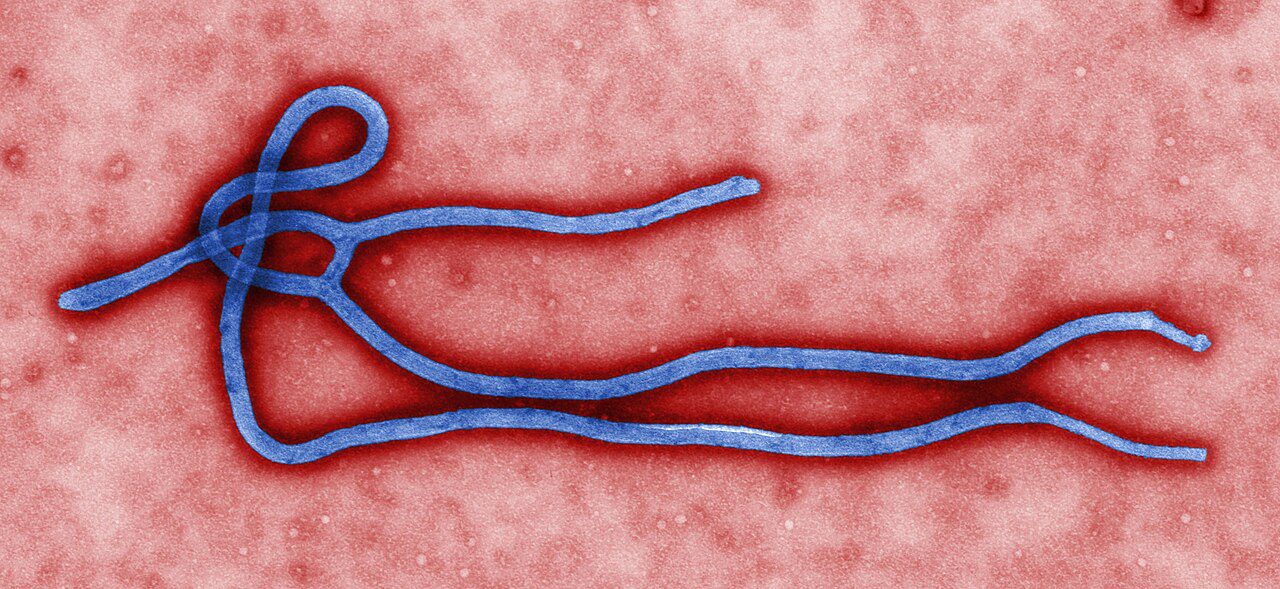
A new single-dose Ebola vaccine targeting the Bundibugyo strain behind the current Congo outbreak is set to enter clinical trials within two to three months, the Oxford Vaccine Group announced on 27 May 2026. The vaccine uses the ChAdOx (chimpanzee adenovirus) platform — the same technology behind the Oxford-AstraZeneca COVID-19 vaccine — and will be scaled by India’s Serum Institute of India (SII). The Democratic Republic of Congo outbreak, declared two weeks ago, has 1,261 suspected cases and 220 suspected deaths; spread to Uganda has been documented (7 cases). The WHO–Africa CDC virtual coordination meeting on 23 May warned that only 7% of suspected cases have been contact-traced — outbreak response is “below the curve”.
Constitutional & Statutory Framework
- WHO Constitution + International Health Regulations (IHR) 2005 — legally binding instrument under which WHO declares Public Health Emergencies of International Concern (PHEIC).
- Drugs & Cosmetics Act, 1940 — administered by CDSCO; the Drugs Controller General of India (DCGI) grants emergency-use authorisation for vaccines.
- Patents Act, 1970 — Section 3(d) bars “evergreening” (Novartis v UoI, 2013); compulsory licensing under Section 84 enables affordable access to essential medicines.
- Doha Declaration on TRIPS & Public Health, 2001 — affirmed Members’ right to grant compulsory licences during public-health crises.
- ICMR National Ethical Guidelines for Biomedical & Health Research, 2017 — governs human-subject vaccine trials in India.
- WHO Pandemic Agreement (2025) — adopted by the 78th World Health Assembly after 3+ years of negotiation; establishes equity provisions for vaccines.
CLAT Angle
High-yield Current Affairs + Science & Technology + IPR & Public Health Law. Likely angles: (a) compulsory licensing precedent — India’s 2012 Bayer/Nexavar order under Patents Act §84 — and whether SII’s low-cost ChAdOx Ebola vaccine triggers similar leverage for the Global South; (b) the One Health doctrine and zoonotic-spillover framing of Ebola (Filoviridae family); (c) Indo-Africa health diplomacy — SII supplies 60% of UNICEF’s vaccine demand; (d) the Novartis v Union of India (2013) Supreme Court holding that Section 3(d) is constitutional and TRIPS-compliant.
Key Facts
| Announced | 27 May 2026 (Oxford Vaccine Group + Pandemic Sciences Institute) |
| Indian partner | Serum Institute of India (SII), Pune |
| Platform | ChAdOx (chimpanzee adenoviral vector); single-dose |
| Target strain | Bundibugyo (Sudan virus species) — current Congo outbreak |
| Trial timeline | Clinical trials in 2-3 months |
| Outbreak data | 1,261 suspected cases; 220 suspected deaths; 7% contact-traced |
| Spread | DRC (epicentre); 7 cases reported in Uganda |
| Virus family | Filoviridae — ssRNA, haemorrhagic fever |
Mnemonic
“ChAdOx-BDBV-SII” — ChAdOx platform, Bundibugyo strain, Serum Institute production. Three Indian pillars: D-I-P = DCGI (D&C Act 1940) — ICMR Guidelines 2017 — Patents Act §3(d) + §84.
The trial timeline matters because vaccine equity is now codified policy. The WHO Pandemic Agreement (2025) and the 2001 Doha Declaration on TRIPS together obligate developed-country licensors to share IP, technology and finished doses with low-income countries during PHEICs. SII’s scale (1.5 billion doses/year capacity) makes it the practical fulcrum of any African-deployment plan. If the Bundibugyo vaccine clears Phase I-II in 2026, India’s health diplomacy in Africa — already strong post-COVID — gets another visible win.
Practice Quiz — 10 CLAT-Style Questions
Click an option to reveal the answer and explanation.