
CURRENT AFFAIRS | 25 JUNE 2026
What Happened
A Paris auction house withdrew heritage furniture linked to Chandigarh — originally scheduled for sale on 25 June — following India’s diplomatic intervention and the registration of two FIRs. The items are Pierre Jeanneret-designed armchairs; Jeanneret was the cousin and collaborator of Le Corbusier, the architect who master-planned Chandigarh. The chairs were originally created for public institutions such as Panjab University and the Capitol Complex. The Ministry of External Affairs, the UT Chandigarh Administration and the Ministry of Culture pressed for withdrawal; the FIRs allege illegal export of heritage items.
Background: The Heritage and the Law
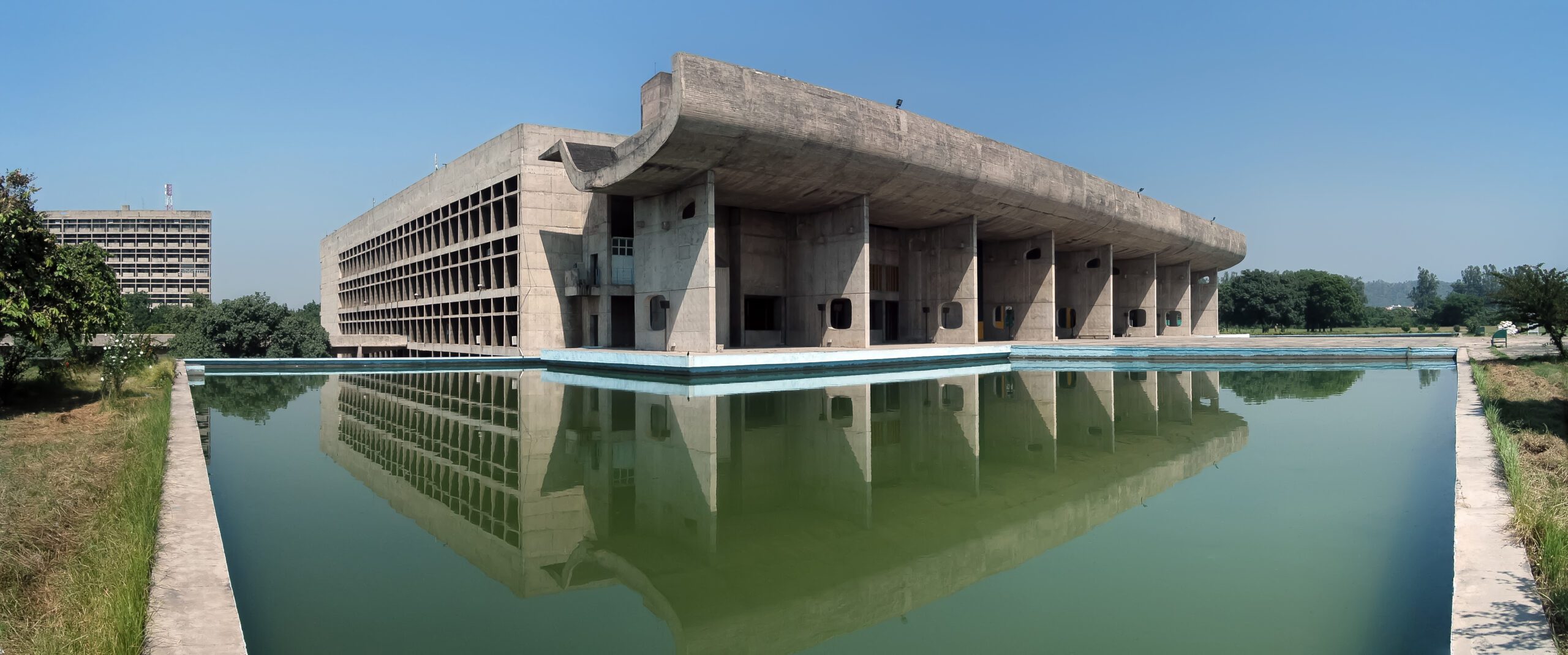
Chandigarh’s modernist Capitol Complex is a UNESCO World Heritage Site, inscribed in 2016 as part of the transnational listing ‘The Architectural Work of Le Corbusier’. The furniture designed by Pierre Jeanneret for Chandigarh’s public buildings has, over the years, surfaced in international auctions, raising recurring questions about how such pieces left the country and whether their export complied with Indian law.
India’s domestic safeguard is the Antiquities and Art Treasures Act, 1972, which regulates the export of antiquities and ‘art treasures’, generally prohibiting their export and vesting the Archaeological Survey of India (ASI) with registration and oversight functions. Internationally, the UNESCO 1970 Convention on the Means of Prohibiting and Preventing the Illicit Import, Export and Transfer of Ownership of Cultural Property provides the framework for cooperation and repatriation of illegally exported cultural property.
Why It Matters
The episode is a live example of cultural-property law and heritage-repatriation diplomacy. It shows how domestic statute (Antiquities Act 1972), an international convention (UNESCO 1970) and diplomatic pressure combine to halt the sale of contested heritage — a theme increasingly tested in CLAT’s legal and GK sections.
The key statute is the Antiquities and Art Treasures Act, 1972, which regulates and largely prohibits the export of antiquities and art treasures, with the Archaeological Survey of India (ASI) as the principal authority. The international anchor is the UNESCO 1970 Convention against illicit trafficking of cultural property, the basis for repatriation cooperation. Protection of monuments and cultural heritage also resonates with Article 49 (DPSP) and the fundamental duty under Article 51A(f) to value and preserve composite culture.
| Particular | Detail |
|---|---|
| Event | Paris auction of Chandigarh furniture withdrawn |
| Scheduled date | 25 June |
| Items | Pierre Jeanneret-designed armchairs |
| Original use | Panjab University & the Capitol Complex |
| Architect of Chandigarh | Le Corbusier (cousin of Pierre Jeanneret) |
| Action taken | Two FIRs; MEA / UT Admin / Culture Ministry intervention |
| Domestic law | Antiquities and Art Treasures Act, 1972 |
| International convention | UNESCO 1970 Convention |
| UNESCO listing | Capitol Complex inscribed 2016 |
Cultural-property law made concrete: the Antiquities and Art Treasures Act, 1972, the role of the ASI, and the UNESCO 1970 Convention. Add static-GK on Le Corbusier / Pierre Jeanneret and the 2016 UNESCO inscription of the Capitol Complex. Legal-reasoning sets may pair a ‘no export of antiquities’ principle with a fact-scenario.
“1972 stops the export, 1970 brings it back” — the Antiquities Act 1972 bars export; the UNESCO 1970 Convention enables repatriation. And remember the family tie: Le Corbusier & Pierre Jeanneret were cousins.
Practice Quiz — 10 CLAT-Style Questions
Click an option to reveal the answer and explanation.