CURRENT AFFAIRS | 10 JUNE 2026
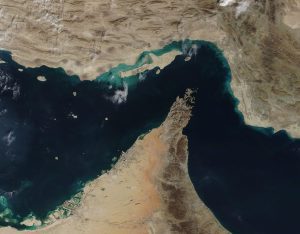
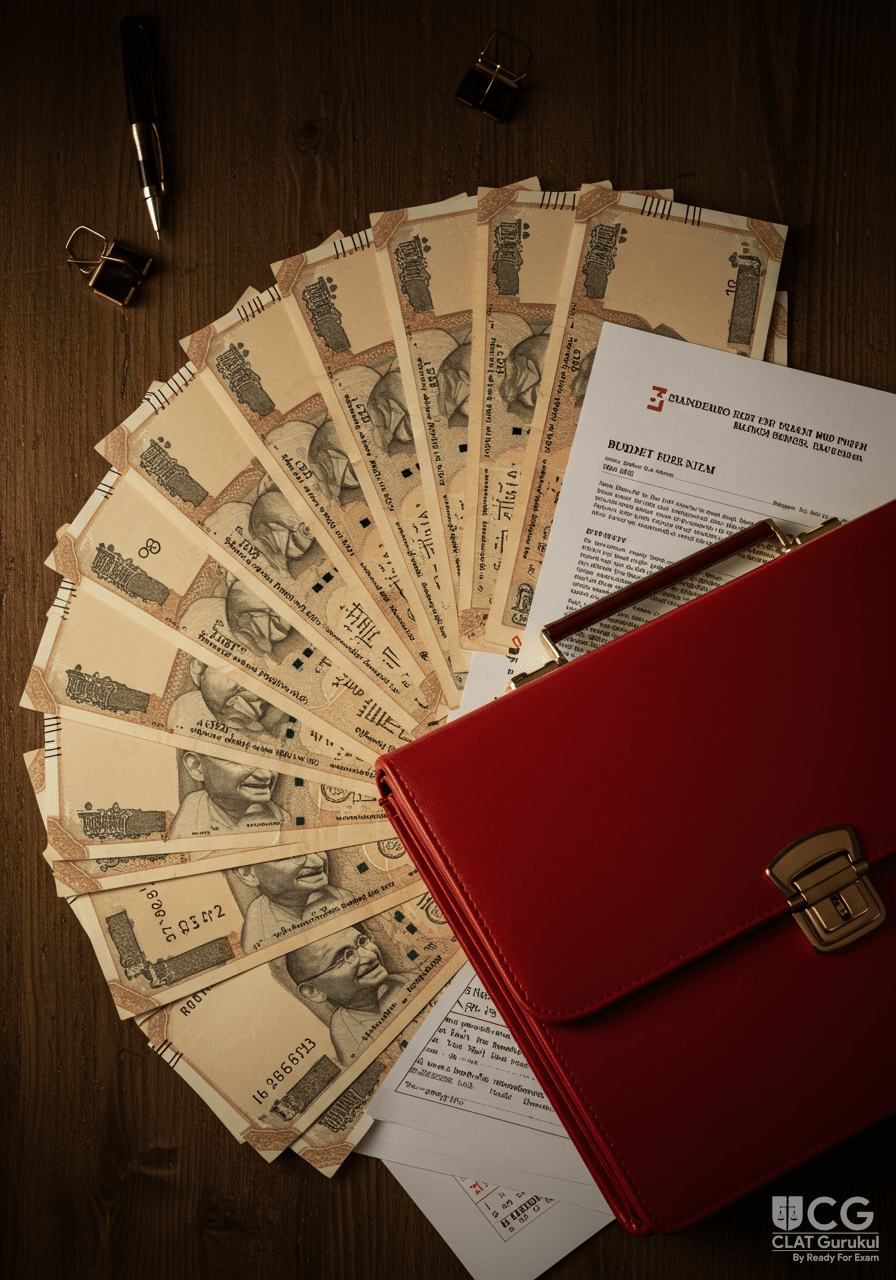
India’s farm-input bill is about to balloon. Rising global fertiliser prices amid a sharp supply crunch are likely to push the country’s fertiliser subsidy to almost Rs 3.4 lakh crore in 2026-27 — nearly double the Budget estimate of Rs 1.7 lakh crore, an increase of close to 100 per cent. The trigger is geopolitical: the war in West Asia and the near-closure of the Strait of Hormuz have driven up the landed cost of imported urea, just as the kharif sowing season builds demand.
To secure supplies, public-sector undertakings have already gone to the global market. On 27 May 2026, state-owned National Fertilisers Ltd (NFL) issued a global tender to buy 17 lakh metric tonnes (LMT) of urea, while Indian Potash Ltd tendered for 25 LMT. The government also plans to tap Russia to bridge the gap. Fertiliser is one of the ‘3 Fs’ — food, fuel and fertiliser — that Finance Minister Nirmala Sitharaman has repeatedly flagged as the chief pressure points on India’s foreign exchange and subsidy outgo.
Constitutional & Statutory Framework
- Nutrient Based Subsidy (NBS) Scheme — subsidy on phosphatic & potassic (P&K) fertilisers
- Urea price-control regime — separate from NBS, with a statutorily fixed Maximum Retail Price
- Direct Benefit Transfer (DBT) in fertilisers — subsidy released on PoS sale to farmers
- Essential Commodities Act, 1955 — power to regulate supply, distribution and price
- Article 246 read with the Concurrent List — agriculture inputs as shared Centre-State domain
Why does the import price hurt the exchequer so much? Indian farmers buy fertiliser at a deeply subsidised price — roughly Rs 300 a sack — even when the actual cost lands between Rs 2,900 and Rs 4,500. The government absorbs that yawning difference. For non-urea nutrients such as DAP (Di-Ammonium Phosphate) and MOP (Muriate of Potash), the gap is bridged through the Nutrient Based Subsidy (NBS) scheme; urea operates under a separate price-control mechanism with a statutorily fixed maximum retail price. When global prices spike, every imported tonne widens the fiscal hole.
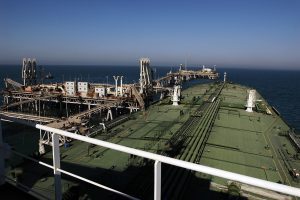
The structural vulnerability is import dependence. India imports a large share of its urea and almost all of its potash, leaving the subsidy bill hostage to global freight, gas prices and — as in 2026 — shipping chokepoints. The Strait of Hormuz handles a fifth of the world’s oil and a great deal of the Gulf’s ammonia-urea trade; congestion there ripples straight into Indian western-seaboard ports such as JNPT, Kandla and Mundra.
The policy response has two arms. Short term, PSU import tenders and a Russia-supply pivot aim to physically secure stocks before peak demand. Medium term, the government has leaned on fertiliser DBT — releasing subsidy to companies only after a verified retail sale to a farmer via PoS machines — to plug leakage and divert subsidised urea away from industrial misuse.
For CLAT 2027 aspirants, this story braids economy and international relations. The subsidy mechanics (NBS vs urea price control, DBT), the ‘3 Fs’ framing, and the Hormuz-to-port-congestion transmission channel are exactly the kind of cross-cutting current-affairs material that the GK and data-interpretation sections reward.
Why This Matters for CLAT
Fertiliser subsidy sits at the crossroads of fiscal policy and external shocks. CLAT 2027 may test the distinction between the Nutrient Based Subsidy (NBS) regime for P&K fertilisers and the separate urea price-control mechanism, the role of Direct Benefit Transfer (DBT) in plugging leakage, the Essential Commodities Act, 1955 as the statutory anchor, and the economy-IR linkage running from the Strait of Hormuz to India’s import bill and port congestion.
Key Facts
| Projected FY27 subsidy | ~Rs 3.4 lakh crore |
| FY27 Budget estimate | Rs 1.7 lakh crore |
| Increase | Almost 100% (nearly double) |
| NFL urea tender (27 May) | 17 LMT |
| Indian Potash Ltd tender | 25 LMT |
| Supply pivot | Russia |
| Farmer price per sack | ~Rs 300 (cost ~Rs 2,900-4,500) |
| Subsidy scheme (P&K) | Nutrient Based Subsidy (NBS) |
| Key driver | Strait of Hormuz near-closure |
Mnemonic / One-liner
Remember the ‘3 Fs’ pressure points = Food, Fuel, Fertiliser. Subsidy split: ‘NBS for P&K, price-control for urea’. Transmission chain to memorise: ‘HORMUZ → urea import price up → subsidy up → fiscal deficit up’.
Test Your Knowledge
Practice Quiz — 10 CLAT-Style Questions
Click an option to reveal the answer and explanation.