A sharp fall in global gold prices has pulled India’s foreign exchange reserves down to their lowest level in about 15 months, underlining how closely the country’s external buffers are now tied to the value of the gold in the Reserve Bank of India’s vaults.
What the Latest Data Shows
According to the Reserve Bank of India’s weekly statistics, India’s foreign exchange reserves fell to $666.93 billion in the week ended 26 June. That marked a decline of $5.65 billion over the previous week and left reserves at their lowest in roughly 15 months — a level last seen around March 2025. The drop was not driven by a run on the rupee or heavy central-bank intervention, but largely by the falling market value of the gold that India holds as part of those reserves.
The Gold Connection
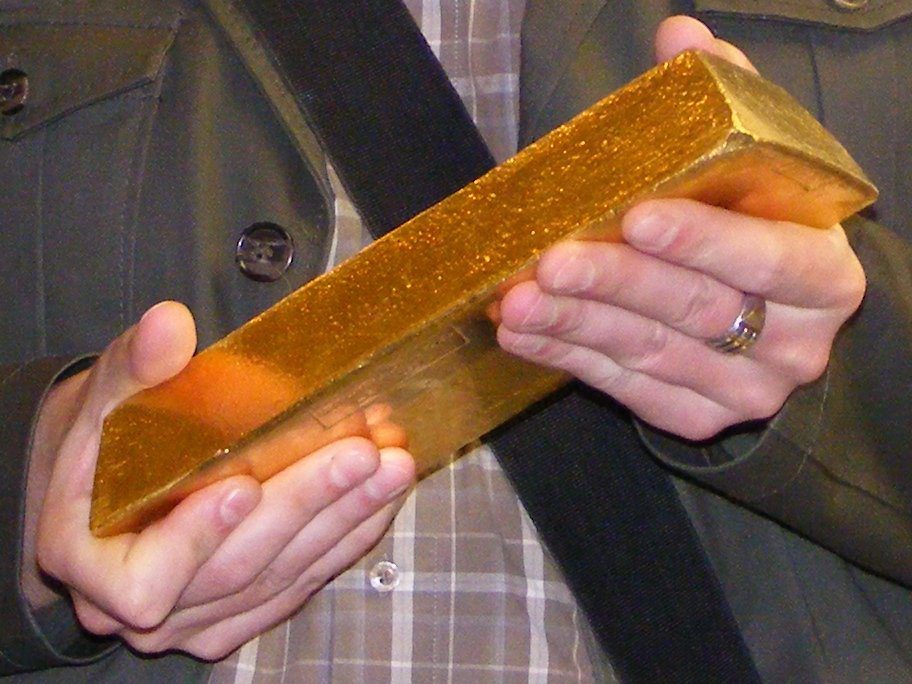
The value of the RBI’s gold holdings stood at about $102.54 billion in the reported week. That figure was down roughly 26 per cent since 30 January, the date on which gold prices had touched an all-time high of around $5,500 per ounce. In the week of 22–26 June, the gold price fell below $4,000 per ounce for the first time since November, a steep correction from its earlier peak.
Crucially, the physical quantity of gold India holds has not shrunk. The RBI continues to hold about 880.52 metric tonnes of gold. What has changed is the price at which that gold is valued in dollars. Because reserves are reported at market value, a fall in the gold price automatically lowers the dollar worth of the gold component — and therefore the headline reserves figure — even though not a single ounce has been sold.
What Foreign Exchange Reserves Are Made Of
India’s foreign exchange reserves are not a single pool of cash. They are made up of four distinct components, each serving a slightly different purpose.
- Foreign Currency Assets (FCA): The largest component, consisting of holdings in major foreign currencies such as the US dollar, euro, pound and yen, typically invested in safe instruments like foreign government bonds.
- Gold: Physical gold held by the central bank, valued at prevailing market prices. This is the component behind the latest decline.
- Special Drawing Rights (SDRs): An international reserve asset created by the International Monetary Fund, whose value is based on a basket of major currencies.
- Reserve Tranche Position (RTP): India’s reserve position with the IMF, representing the portion of its quota that it can draw on readily.
Because gold is one of these four components, swings in the global gold price feed directly into the reported size of the reserves.
Understanding SDRs and the IMF Link
Special Drawing Rights often puzzle newcomers. An SDR is not a currency that can be spent in a shop. It is a reserve asset created and allocated by the IMF to member countries, and its value is derived from a weighted basket of leading world currencies. A country can exchange its SDRs for usable currencies with other members when it needs foreign exchange. Alongside the Reserve Tranche Position, SDRs reflect India’s standing and entitlements within the IMF system, and together they form the smaller, more technical part of the reserves.
Why Reserves Matter
Foreign exchange reserves are a key measure of a country’s external economic health, and they serve several practical functions.
- Import cover: Reserves indicate how many months of imports a country can finance if other inflows dry up, offering a cushion against external shocks.
- Exchange-rate stability: The central bank can use reserves to smooth sharp movements in the rupee by buying or selling foreign currency in the market.
- External-sector confidence: A healthy reserve stock reassures investors, lenders and rating agencies that the country can meet its external obligations, supporting overall macroeconomic stability.
It is worth stressing that a fall driven purely by lower gold valuations is different in character from a fall caused by capital flight or heavy intervention to defend the currency. The underlying quantity of gold, and the bulk of the foreign currency assets, remain intact.
Gold as a Reserve Asset
Central banks, including the RBI, hold gold as a store of value and a hedge against currency and geopolitical risk. In recent years many central banks increased their gold holdings, and the earlier surge in gold prices had inflated the dollar value of these reserves. The current episode is the reverse of that dynamic: as gold corrects from record highs, the paper value of the same holdings shrinks. This illustrates a broader point — reserves reported at market value will naturally rise and fall with asset prices, and such movements do not always reflect a change in the country’s actual financial strength.
The CLAT Angle
For CLAT aspirants, this development is a rich source of testable concepts within the Current Affairs and General Knowledge section, and it also lends itself to comprehension-style reasoning. The most important takeaway is the composition of India’s foreign exchange reserves — Foreign Currency Assets, Gold, SDRs and the Reserve Tranche Position — with FCA as the largest component. Questions often ask candidates to identify these components or to reason about which one is responsible for a change in the headline figure.
The story also reinforces the role of the Reserve Bank of India as the custodian of the country’s reserves and the manager of the rupee’s stability. Candidates should be comfortable with the idea of import cover as a measure of reserve adequacy and understand why exchange-rate stability and external-sector confidence matter for the wider economy. The distinction that this fall was caused by lower gold valuations rather than by selling gold is exactly the kind of subtle inference CLAT passages reward — testing whether a reader can separate a change in market value from a change in actual holdings.
Finally, Special Drawing Rights and the IMF connection are recurring static-GK favourites. Knowing that an SDR is an IMF-created reserve asset based on a currency basket, and not a spendable currency, can decide a mark on a factual question. By tying together the RBI, gold prices, the IMF and the balance of external payments, this single news item lets aspirants revise several interlinked economics topics at once — a hallmark of the integrated passages CLAT increasingly favours.
Test Yourself — Daily Quiz
Practice Quiz — 10 CLAT-Style Questions
Click an option to reveal the answer and explanation.