CURRENT AFFAIRS | JUNE 3, 2026
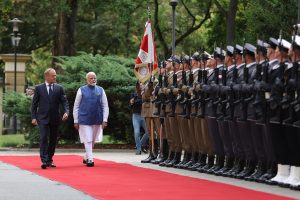
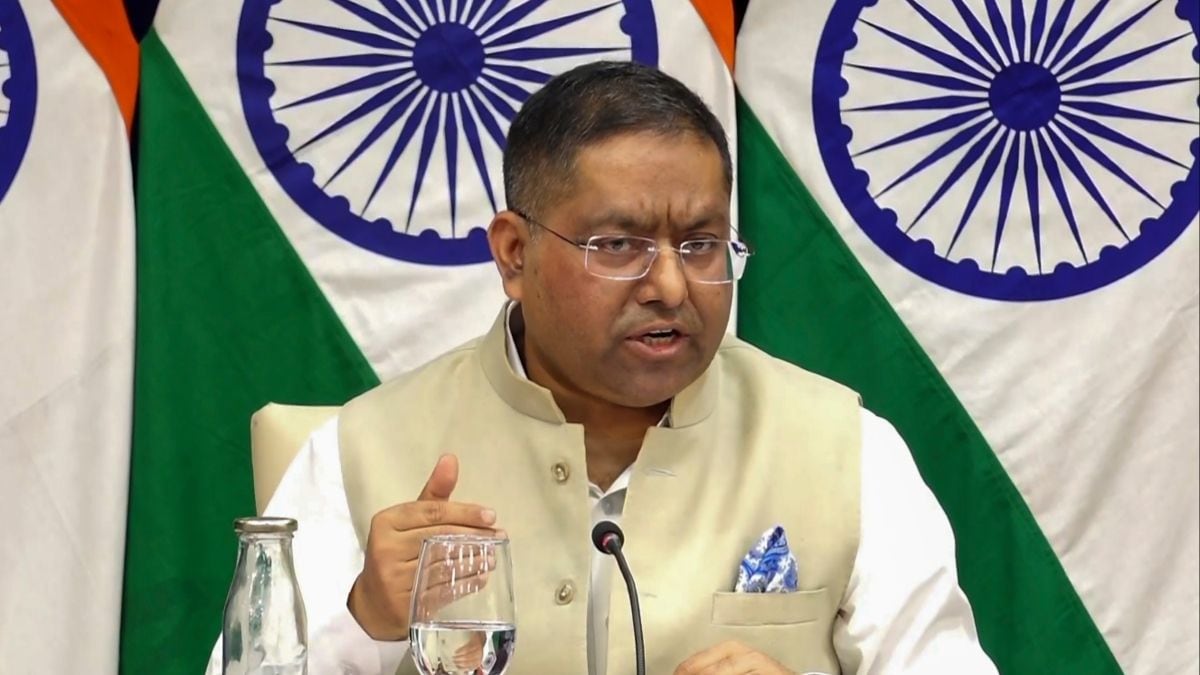
On June 2, 2026, MEA Spokesperson Randhir Jaiswal firmly rejected any third-party role in the India-Nepal boundary dispute, after Nepal PM Balendra Shah suggested otherwise in Parliament. India’s response invokes the classical doctrine of state sovereignty, the Treaty of Peace and Friendship, 1950, and the bilateral mechanism long endorsed by both governments.
Constitutional & International-Law Framework
- Article 1: India is a “Union of States” — territorial integrity premise.
- Article 51 (DPSP): Promote international peace and respect for treaty obligations.
- Article 253: Parliament’s power to legislate for treaty implementation.
- UN Charter Art. 2(1): Sovereign equality of states.
- UN Charter Art. 33: Peaceful settlement — choice of means rests with parties.
- Treaty of Sugauli (1816): Original India-Nepal boundary instrument.
Key Facts — Boundary Dispute
Why India Rejects Third-Party Mediation
India’s stance is grounded in three pillars: (i) the 1950 Treaty contemplates direct bilateral channels; (ii) sovereign equality (Art. 2(1) UN Charter) leaves each state free to refuse arbitration; (iii) the choice of dispute-settlement method under Art. 33 rests with the parties — it is not imposed by any external power.
Geography of the Disputed Areas
The Kalapani-Lipulekh-Limpiyadhura tract lies at the trijunction of Uttarakhand, far-western Nepal and Tibet. India holds the area as part of Pithoragarh district, Uttarakhand; Nepal’s 2020 political map included these features within Nepali territory, triggering the most recent flare-up.
Why This Matters for CLAT 2027
- Sovereignty doctrine — recurring theme in CLAT international-law passages.
- Treaty hierarchy — Sugauli (1816), 1950 Treaty, Mahakali (1996).
- UN Charter Art. 2(1), Art. 33 — peaceful settlement.
- Article 253 — Parliament’s exclusive treaty-implementation power.
- India’s “no mediation” doctrine — also applied with Pakistan post-Shimla.
Mnemonic — India-Nepal Treaty Timeline
“Sugar-Peace-Maha” = Sugauli 1816 → Peace & Friendship 1950 → Mahakali 1996. Three treaties, three different centuries of bilateral relations.
Practice Quiz — 10 CLAT-Style Questions
Click an option to reveal the answer and explanation.
Source: MEA briefing, Indian Express, PTI (June 3, 2026).