CURRENT AFFAIRS | 1 JUNE 2026
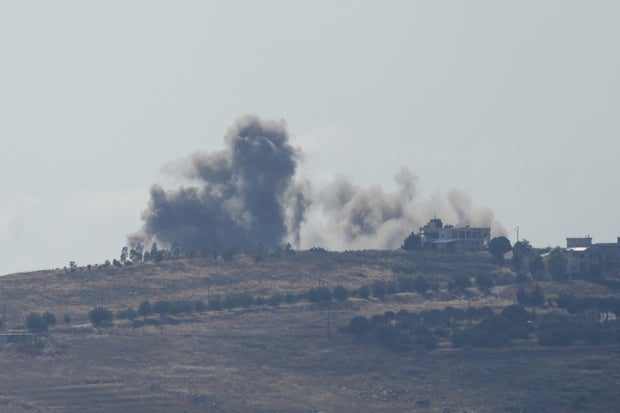
Israeli forces have made their deepest incursion into Lebanon in a quarter-century, re-capturing the medieval Beaufort Castle (Qalaat ash-Shaqif), perched 700 metres above sea on a strategic ridge in the south. Israeli PM Netanyahu called it a “dramatic shift” against Hezbollah. Israel held Beaufort from 1982 to 2000 before withdrawing under PM Ehud Barak; the recapture comes despite a US-brokered ceasefire and the first direct Israel-Lebanon talks since 2000. Lebanese PM Nawaf Salam accused Israel of “a policy of total destruction of cities and towns” of southern Lebanon.
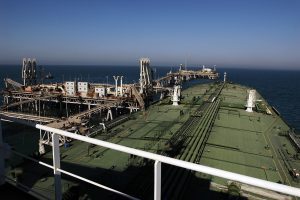
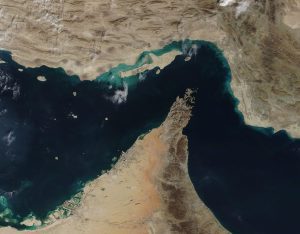
The Lebanon escalation complicates the parallel Iran nuclear deal push. Trump’s edited memorandum — now dubbed the “Islamabad Declaration” and routed through Pakistani mediators — would extend the ceasefire 60 days and reopen JCPOA-style talks. Iran has reopened the Strait of Hormuz to pre-war commercial shipping (34% of global crude oil trade passes through this 21-nautical-mile chokepoint; India sources 40-50% of its crude here), but restrictions on Israeli military vessels remain.
⚖️ International Legal Framework
- UN Charter Article 51 — inherent right of individual or collective self-defence
- Geneva Convention IV (1949) — protection of civilians in occupation
- JCPOA 2015 — Iran nuclear deal; Iran + P5+1 (US, UK, France, Russia, China, Germany) + EU; US withdrew 2018
- Abraham Accords 2020 — normalised Israel-UAE-Bahrain-Sudan-Morocco
- ICJ Advisory Opinion on Israel-Palestinian Territories (July 2024)
- Strait of Hormuz: UNCLOS Article 38 — right of transit passage through international straits
🎯 CLAT 2027 Angle
A multi-layered IR + International Law setup. Expect a CLAT passage testing knowledge of UN Charter Article 51, the JCPOA-P5+1 architecture, India’s energy stake at Hormuz (40-50%), and the Abraham Accords. Bonus points for the ICJ July 2024 advisory opinion on occupied Palestinian territories.
📊 Key Facts at a Glance
| Item | Detail |
|---|---|
| Strategic site recaptured | Beaufort Castle (700m alt) |
| Strait of Hormuz width | 21 nautical miles |
| Share of global crude | ~34% (~15 mbd) |
| India’s crude via Hormuz | 40-50% |
| JCPOA signed | 2015 (US withdrew 2018) |
| JCPOA parties | Iran + P5+1 + EU |
| UN self-defence | Article 51, UN Charter |
| Abraham Accords | 2020 (UAE/Bahrain/Sudan/Morocco) |
🧠 Mnemonic + Treaty Stack
Mnemonic — “JCPOA-2015-Hormuz-34%”: Joint Comprehensive Plan of Action 2015 + Strait of Hormuz carries 34% of global crude.
Stack: UN Charter 1945 (Arts. 2(4) prohibition on force; 51 self-defence) → Geneva Conventions 1949 (esp. GC IV on civilians/occupation) → UNCLOS 1982 (transit passage through international straits) → NPT 1968 (Iran is party; Israel is not) → JCPOA 2015 → Abraham Accords 2020.
Practice Quiz — 10 CLAT-Style Questions
Click an option to reveal the answer and explanation.