CURRENT AFFAIRS | JUNE 2, 2026
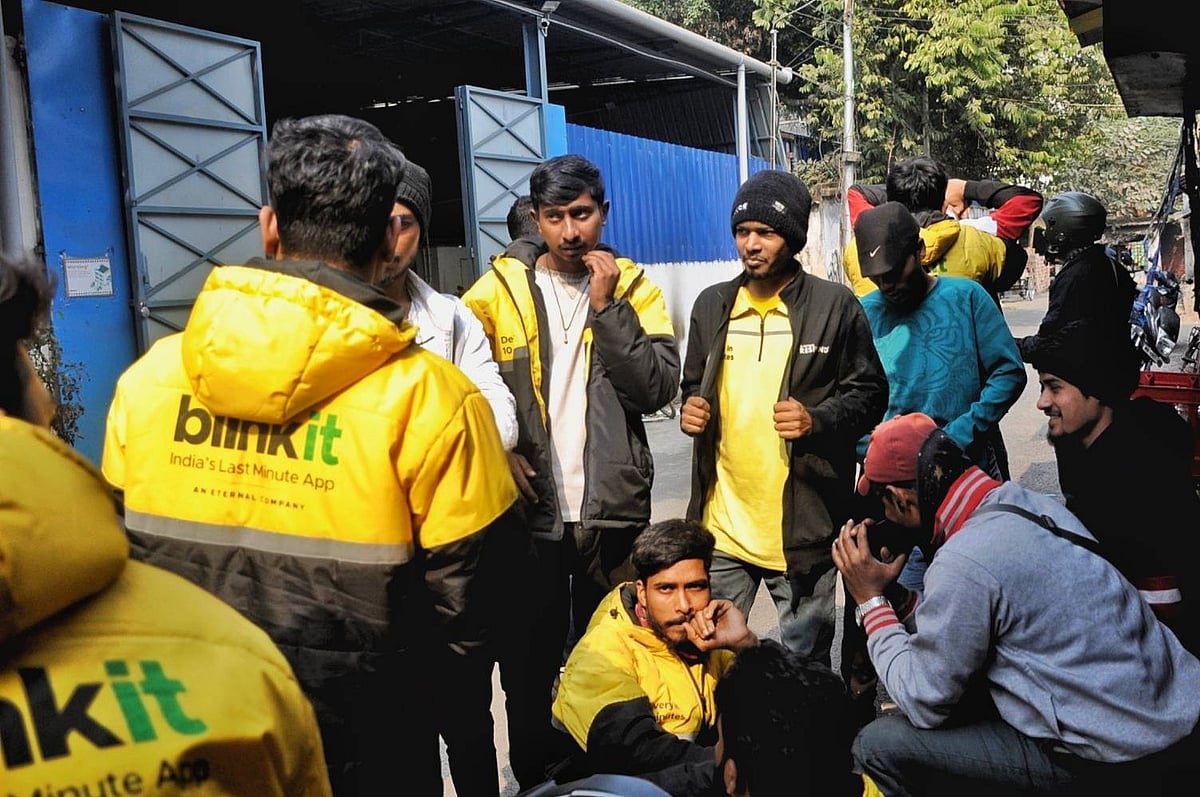
The Telangana Government on 30 May 2026 issued GO Ms No. 6 (Labour & Employment Department), banning cash payment of wages and bringing gig and platform-based workers under the protective umbrella of the Minimum Wages Act, 1948. The notification operationalises the Telangana Platform-Based Gig Workers (Registration, Social Security and Welfare) Act, 2026, joining Rajasthan and Karnataka in formal welfare regulation for app-based labour.
The order revises minimum wage floors across four skill categories and mandates digital wage payments — addressing chronic wage theft, undocumented dismissals and the absence of statutory benefits for an estimated 30 lakh gig workers in the state.
Constitutional & Statutory Framework
- Article 23: Prohibition of forced labour and trafficking.
- Article 39(d): Equal pay for equal work for both men and women (DPSP).
- Article 43: Living wage and decent standard of life for all workers (DPSP).
- Minimum Wages Act, 1948: Empowers appropriate Government to fix minimum rates of wages in scheduled employments.
- Code on Wages, 2019: Sections 5 and 15 consolidate four laws — Payment of Wages 1936, Minimum Wages 1948, Payment of Bonus 1965 and Equal Remuneration 1976.
- Precedent legislations: Rajasthan Platform-Based Gig Workers Act, 2023 (first in India) and Karnataka Platform-Based Gig Workers Act, 2024.
Key Numbers at a Glance
| Category (Zone-1) | Old Wage (Rs) | Revised Wage (Rs) |
|---|---|---|
| Unskilled | 12,750 | 16,000 |
| Semi-skilled | 13,152 | 17,000 |
| Skilled | 13,772 | 18,500 |
| Highly skilled | 14,607 | 20,000 |
| Daily cap | 8 hours; overtime at double the rate; weekly off + paid public holidays | |
Wages must now be disbursed only via NEFT, RTGS, IMPS or bank cheque — cash payments are barred. This eliminates the manipulative practice of “unauthorised deductions” otherwise governed by the Payment of Wages Act, 1936, and creates an auditable trail to enforce social-security contributions.
CLAT 2027 Angle
The reform sits at the intersection of cooperative federalism (concurrent List Entry 22 — Trade Unions; industrial and labour disputes), Directive Principles vs Fundamental Rights jurisprudence (Minerva Mills balance), and the four-code labour reform debate. Expect comprehension passages on the gig-economy classification (employee vs independent contractor), and MCQs linking Article 39(d)/43 to statutory wage floors. The Bandhua Mukti Morcha v. Union of India (1984) case made Article 21 the gateway for labour dignity.
Mnemonic — “RIGHTS”
Rajasthan first (2023) | India’s 2nd code = Code on Wages 2019 | GO Ms No. 6 — Telangana | Hours capped at 8 + double overtime | Transfer only via NEFT/RTGS | Social security registration mandatory
For CLAT aspirants, the case study illustrates how state-level executive action can complement central labour codes by extending coverage to a class — gig workers — historically outside the “workman” definition under the Industrial Disputes Act, 1947. The constitutional principle: progressive realisation of DPSPs through targeted welfare legislation.
Practice Quiz — 10 CLAT-Style Questions
Click an option to reveal the answer and explanation.