CURRENT AFFAIRS | 23 JUNE 2026
The Supreme Court has done something rare: it has turned the humble footpath into a fundamental right. In a judgment triggered by the death of a five-year-old, the Court has held that the right to walk safely overrides the privilege of the motor vehicle — and asked the government to legislate to give it effect.
What Happened
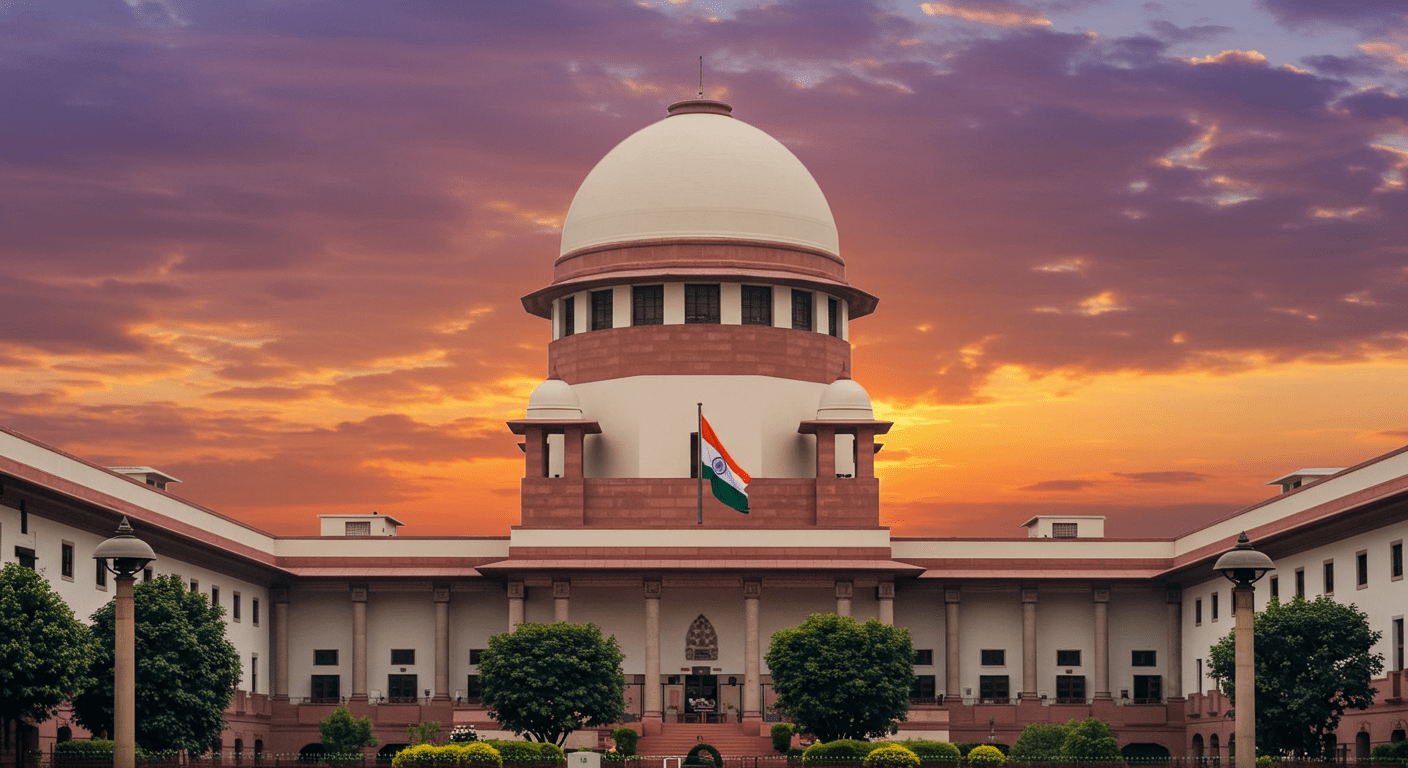
On Friday, the Supreme Court recognised walking on demarcated footpaths as a fundamental right that shall override the privilege of a motor vehicle, directing the government to bring a law to give it effect. The genesis of the case was the death of a five-year-old boy struck by a tanker while walking to school. The Court came down on the Motor Vehicles Act, 1988, observing that it treats the “vehicle” as the subject of the legislation while human interests are minimal, and that it does not protect the right to walk on footpaths. It called the absence of safe roads a “civilisational problem.”
The numbers are stark. Pedestrian deaths surged about 163% — roughly 2.63 times — from 13,894 in 2015 to 36,526 in 2024. Total road deaths rose 21.24%, from 1,46,133 in 2015 to 1,77,175 in 2024, with pedestrians making up 1 in 5 road deaths. The SaveLIFE Foundation (Piyush Tewari) said a footpath is “no longer discretionary; it is a constitutional duty wherever a road exists.” In 2017, the Ministry of Road Transport had notified the Motor Vehicles (Driving) Regulations, but the Court found the statutory scheme inadequate to protect pedestrians.
⚖️ Constitutional & Legal Framework
The right is anchored in Article 21 (right to life and personal liberty), which the courts have read expansively to include a life of dignity — a line of reasoning relatable to the Directive Principles of State Policy. The landmark Olga Tellis v. Bombay Municipal Corporation (1985) earlier linked pavements and livelihood to Article 21 (on distinct facts), making it a useful precedent in the Article 21-expansion lineage. Maneka Gandhi v. Union of India (1978) is the foundational case that broadened Article 21 to demand fair, just and reasonable procedure.
🎯 Why This Matters for CLAT
This is a textbook Article 21-expansion story — the kind of “creative rights” judgment CLAT loves for legal-reasoning passages. You can be tested on the principle-application format (does a vehicle’s convenience override a pedestrian’s safety?), on the Olga Tellis and Maneka Gandhi precedents, and on the interplay between fundamental rights and DPSP. Note also the separation-of-powers angle: the Court asked the legislature to make a law rather than writing one itself.
📌 Key Facts
| Court | Supreme Court of India |
| Right recognised | Walking on footpaths under Article 21 |
| Act criticised | Motor Vehicles Act, 1988 |
| Pedestrian deaths 2024 | 36,526 (up ~163% from 13,894 in 2015) |
| Total road deaths 2024 | 1,77,175 (up 21.24%) |
| Key precedent | Olga Tellis v. BMC (1985) |
🧠 Memory Hook
“WALK = We All Live under Kanoon” — Article 21’s right to life now expressly covers the right to walk safely. Pair Olga Tellis (pavement = livelihood) with this new case (footpath = life) as the two pavement-meets-Article-21 milestones.
📝 Test yourself — take the 10-question quiz below:
Practice Quiz — 10 CLAT-Style Questions
Click an option to reveal the answer and explanation.