

CURRENT AFFAIRS | 23 JUNE 2026
The Delhi High Court has cleared the way for a Comptroller and Auditor General (CAG) audit of two of the capital’s biggest private power distributors. For CLAT aspirants, the case is a near-perfect lesson in how a constitutional body, an independent regulator and the public-interest doctrine all converge on a single question: who watches where consumers’ money goes?
What Happened
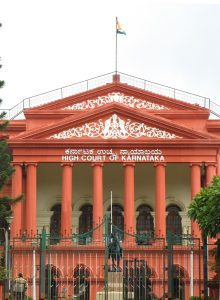
On Monday, the Delhi High Court dismissed a plea by BSES Rajdhani Power Ltd and BSES Yamuna Power Ltd challenging a government notice that proposed entrusting a CAG audit of the two discoms. The court held that the proposed audit is prima facie in public interest, noting that a show-cause notice had been issued under the CAG Act and that the Supreme Court last year directed a strict and intensive audit. The audit was ordered by the AAP government in October 2024; former Chief Minister Atishi maintains her government ordered it, while the current minister alleges the AAP and the discoms were “in cahoots.”
At the heart of the dispute are “regulatory assets” — the gap between the revenue discoms are allowed to recover through tariffs and their approved costs, ultimately recovered from consumers via tariffs and surcharges over years. These have crossed Rs 38,500 crore in total (BSES Rajdhani Rs 19,174 crore, BSES Yamuna Rs 12,333 crore, and Tata Power Delhi Distribution Rs 7,046 crore). Delhi’s power subsidy allows up to 200 units free and a 50% subsidy on 201-400 units, with the Delhi Electricity Regulatory Commission (DERC) as regulator and appeals lying to the Appellate Tribunal for Electricity (APTEL).
⚖️ Constitutional & Legal Framework
The CAG is a constitutional body governed by Articles 148-151. Article 148 provides for appointment by the President, guarantees independence and prescribes removal in the same manner as a Supreme Court judge; Article 149 sets out duties and powers; Article 150 deals with the form of accounts; and Article 151 requires audit reports to be laid before Parliament or the State legislature. Dr B R Ambedkar called the CAG the most important officer under the Constitution, and it is popularly known as the “guardian of the public purse.”
🎯 Why This Matters for CLAT
This single story lets you test multiple high-yield zones: the constitutional articles on the CAG (148-151), the distinction between a constitutional body and a statutory regulator (DERC) and a tribunal (APTEL), and the public-interest reasoning courts use to permit audits. Expect comprehension passages on accountability of public funds and reasoning questions on which forum hears what — High Court writ versus APTEL appeal.
📌 Key Facts
| Court | Delhi High Court (plea dismissed) |
| Petitioners | BSES Rajdhani & BSES Yamuna |
| Total regulatory assets | Over Rs 38,500 crore |
| CAG articles | Articles 148-151 |
| Regulator / Appeal | DERC / APTEL |
| Audit ordered | October 2024 (AAP government) |
🧠 Memory Hook
“148 Appoints, 149 Duties, 150 Accounts, 151 Reports” — the four CAG articles in order. Remember the CAG as the “guardian of the public purse” who reports to Parliament, never to the executive.
📝 Test yourself — take the 10-question quiz below:
Practice Quiz — 10 CLAT-Style Questions
Click an option to reveal the answer and explanation.