CURRENT AFFAIRS | JUNE 4, 2026
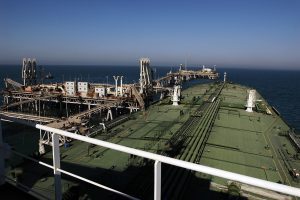
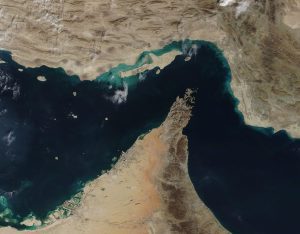
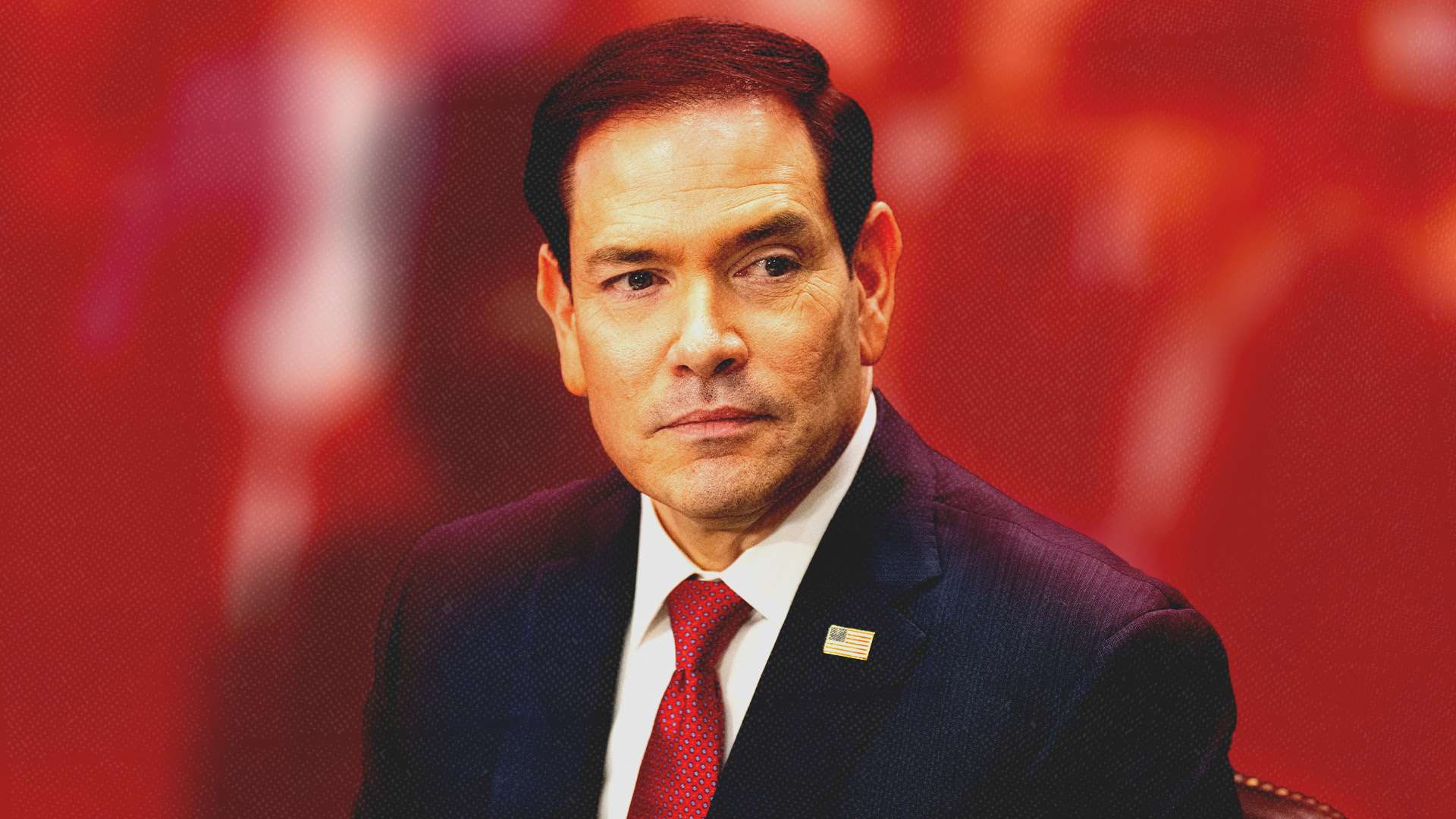
US Secretary of State Marco Rubio’s first Senate testimony since the West Asia war broke out has revealed a quiet but consequential carve-out: India has secured a US sanctions waiver to keep buying Russian crude — even as Washington tightens the screws on Tehran. Rubio’s five-hour appearance on 2 June 2026 also confirmed Iran retains 440 kg of enriched uranium and that the Strait of Hormuz — through which a fifth of global energy flows — remains the war’s most dangerous chokepoint.
Constitutional & International Law Framework
Three doctrinal pillars converge here. UNCLOS Article 38 guarantees the right of transit passage through international straits — the legal architecture under which oil tankers continue to cross Hormuz despite Iran’s closure threats. UN Charter Article 51 codifies the inherent right of self-defence — the doctrine Israel has invoked for its Iran strikes; Iran, in turn, has cited the same article for its retaliation. The 2015 Joint Comprehensive Plan of Action (JCPOA), from which the US unilaterally withdrew in 2018, framed Iran’s nuclear breakout — and its absence today explains the 440-kg uranium stockpile.
India’s position rests on the doctrine of strategic autonomy — rooted in the Bandung Conference (1955) and Non-Aligned Movement, repurposed under the present government as “multi-alignment”. The Russian-oil waiver is the operational fruit of that doctrine.
Why This Matters For CLAT 2027
- International law: UNCLOS Article 38 (transit passage), Vienna Convention 1961 (diplomatic relations), and UN Charter Article 51 (self-defence) are textbook CLAT current-affairs anchors.
- Economic-sanctions law: The US Trading With the Enemy Act (1917) and IEEPA (1977) ground “secondary sanctions” — these are concepts CLAT examiners increasingly test through case-let questions on tariffs and Iran.
- Foreign-policy doctrine: NAM, Bandung Principles, Panchsheel and strategic autonomy form the GK pillar for CLAT’s General Affairs section.
- India-US dynamics: The 12.5% Section-301 tariff stand-off and the Russian-oil waiver are two sides of the same negotiating coin — useful comparative example for any essay/passage on India-US relations.
Key Facts At A Glance
| Item | Detail |
|---|---|
| Testimony date | 2 June 2026, 5-hour US Senate appearance |
| Iran uranium stockpile | 440 kg enriched |
| Hormuz energy share | ~20% of global oil & LNG |
| Strait closure trigger | 21 February 2026 US-Israeli strike on Iran |
| India Russian-oil waiver | Extended 17 May 2026 for one month |
| Key treaty (transit) | UNCLOS 1982, Art. 38 |
| US-Iran framework | JCPOA (2015) — US withdrew 2018 |
Memory Trick — HORMUZ
Holding 440 kg uranium · Oil flow one-fifth of world · Rubio testimony (2 Jun) · Mediation through Oman · US waiver to India (17 May) · Zeroing in on sanctions relief.
The takeaway: India is for the first time openly exempted from a sanctions regime its competitors are not. Whether that exemption survives the next round of Iran talks — and whether it becomes the price India pays on the 12.5% Section-301 tariff front — is the strategic question now sitting on the Prime Minister’s desk.
Practice Quiz — 10 CLAT-Style Questions
Click an option to reveal the answer and explanation.