CURRENT AFFAIRS | JUNE 3, 2026
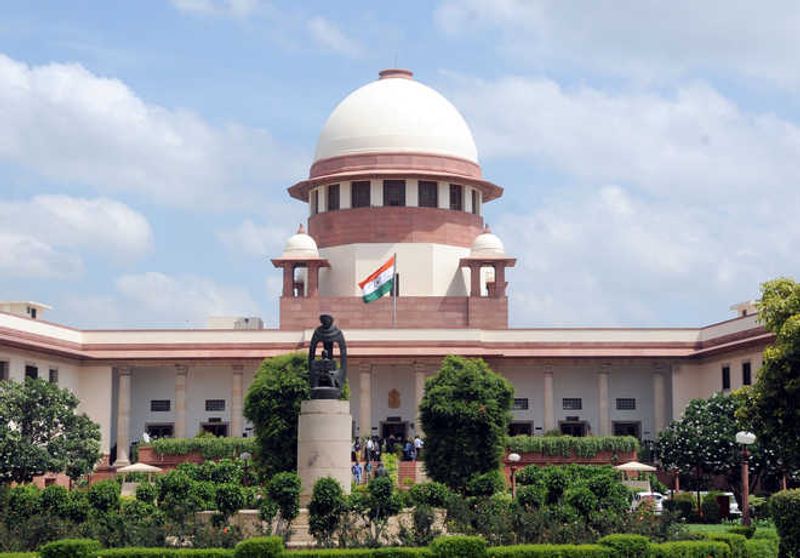
The Supreme Court has constituted a High-Powered Committee (HPC) chaired by Kanchan Devi, Director-General of ICFRE, to resolve “critical ambiguities” in the definition of the Aravalli range. The trigger: an October 2025 FSI panel report that used a 100-metre elevation threshold, effectively excluding nearly 90% of the Aravallis from regulatory protection. The HPC must report by August 31, 2026.
Constitutional & Statutory Framework
- Article 48A (DPSP): State to protect and improve the environment (42nd Amendment, 1976).
- Article 51A(g): Fundamental Duty — protect natural environment.
- Article 21: Right to clean environment, recognised in Subhash Kumar v Bihar (1991).
- Section 3, EPA 1986: Central Government powers to take measures for environment.
- Forest (Conservation) Act, 1980: Prior central approval for forest land diversion.
- Aravalli Notification, 1992: MoEFCC notification restricting mining.
- Precautionary Principle: Vellore Citizens Welfare Forum v UoI (1996).
Key Facts — Aravalli HPC
Why the 100m Threshold is Contested
Geomorphologically, the Aravallis are among the world’s oldest fold mountains; vast tracts have been eroded over millennia, so much of the range now sits well below 100 metres in elevation. A bright-line numeric threshold therefore arbitrarily strips ecological protection from low-lying but ecologically active Aravalli stretches, including critical groundwater-recharge zones for the NCR.
Precautionary Principle in Action
In Vellore Citizens Welfare Forum v UoI (1996), the Supreme Court formally adopted the Precautionary Principle and the Polluter Pays Principle as part of Indian environmental law. The HPC’s task is, in effect, to ensure that the working definition of “Aravalli” honours these principles rather than defeats them.
Why This Matters for CLAT 2027
- Article 48A + 51A(g) — DPSP-FD overlap on environment.
- EPA 1986 — Section 3 powers, Aravalli Notification 1992.
- Forest (Conservation) Act, 1980 — Section 2 prior-approval rule.
- Vellore Citizens (1996) — Precautionary & Polluter Pays principles.
- Sustainable development — recurring CLAT legal-reasoning theme.
Mnemonic — Pillars of Indian Environmental Law
“4-EPA-FCA-WPA-AIR-WATER” = Art. 48A · EPA 1986 · Forest (Cons.) Act 1980 · Wildlife (Protection) Act 1972 · Air Act 1981 · Water Act 1974. Six anchors of environmental regulation.
Practice Quiz — 10 CLAT-Style Questions
Click an option to reveal the answer and explanation.
Source: Supreme Court order, MoEFCC, Indian Express (June 3, 2026).