CURRENT AFFAIRS | 16 JULY 2026
The Union Cabinet has approved the second phase of the India Semiconductor Mission (ISM 2.0) with an outlay of Rs 1.27 lakh crore, and separately cleared a Rs 62,500-crore mobile manufacturing scheme — a twin push to deepen India’s chip and electronics ecosystem.
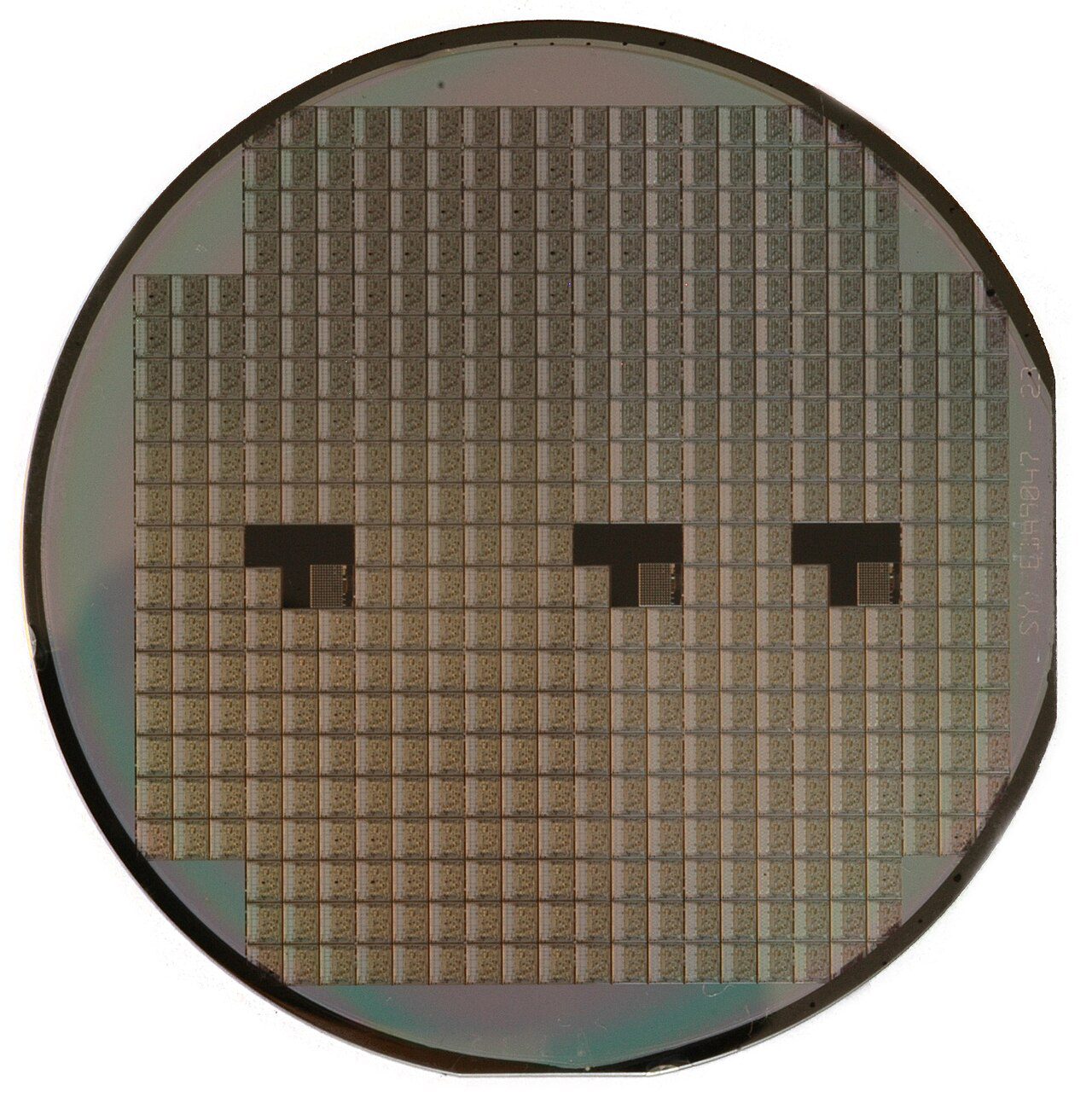
Announcing the decision on Wednesday, IT Minister Ashwini Vaishnaw showcased ‘Made in India’ semiconductor chips, presenting them as proof that the first mission had begun to bear fruit. ISM 1.0, launched in 2021 with a corpus of Rs 76,000 crore, had approved 12 chip units spanning fabrication and assembly, with fab units eligible for capital-expenditure subsidy of up to 50 per cent.
ISM 2.0 marks a shift in emphasis. Where the first phase concentrated on attracting marquee fabrication plants, the new mission spreads support across the wider supply chain — components, materials, and crucially the ATMP or OSAT segment, shorthand for Assembly, Testing, Marking and Packaging and Outsourced Semiconductor Assembly and Test. This back-end of chipmaking is labour-intensive and strategically valuable, and localising it reduces India’s exposure to concentrated global supply chains.
The accompanying Rs 62,500-crore mobile manufacturing scheme is a follow-on to the Production Linked Incentive (PLI) framework, which rewards firms for incremental domestic production. Together, the two decisions sit squarely within the government’s Atmanirbhar Bharat and Viksit Bharat narratives, and within a global race — intensified since recent supply shocks — to de-risk semiconductor manufacturing away from a handful of geographies.
For aspirants, the institutional detail matters: the ISM is run as a programme under the Digital India Corporation within the Ministry of Electronics and Information Technology (MeitY), not as a statutory or constitutional body. It is a policy-and-incentive vehicle, and its instruments are subsidies and PLI-style incentives rather than legislation.
🏛️ Constitutional / Legal Framework
- India Semiconductor Mission: A programme under the Digital India Corporation, MeitY, not a statutory body.
- Semicon India Programme, 2021: The policy umbrella under which ISM 1.0 and its fab subsidies were launched.
- Production Linked Incentive (PLI): Incentive scheme rewarding incremental domestic manufacturing, extended here to mobiles.
- Atmanirbhar Bharat: The self-reliance policy vision anchoring the semiconductor push.
- Viksit Bharat 2047: The developed-nation roadmap within which critical-technology capacity is prioritised.
⚖️ Why This Matters for CLAT
Government missions and PLI schemes recur in CLAT current-affairs and economy-based comprehension passages. Examiners test outlay figures, the distinction between fabrication and ATMP/OSAT, and whether a body is statutory or a mere programme. ISM 2.0 also connects to the broader theme of strategic autonomy in critical technologies — a lens that shows up in both GK and legal-reasoning passages on trade, sovereignty and national security.
📌 Key Facts
| ISM 2.0 outlay | Rs 1.27 lakh crore |
| Mobile scheme | Rs 62,500 crore (PLI follow-on) |
| ISM 1.0 corpus | Rs 76,000 crore (2021) |
| Units approved (1.0) | 12 chip units |
| New focus | Components, materials, ATMP/OSAT |
| Fab capex subsidy | Up to 50 per cent |
| Nodal ministry | MeitY (Digital India Corporation) |
In effect, India is moving from courting one or two headline factories to building an entire ecosystem — design, fabrication, packaging and materials — an ambition that will be judged over years, not months.
🧠 Memory Aid
“1.27 for chips, 62.5 for phones — ISM 2.0 backs the whole supply chain.” Fab was phase one; ATMP/OSAT, components and materials are phase two — all under MeitY, all flying the Atmanirbhar Bharat flag.
Practice Quiz — 10 CLAT-Style Questions
Click an option to reveal the answer and explanation.