
CURRENT AFFAIRS | 26 JUNE 2026
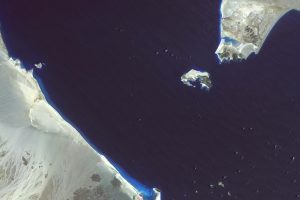
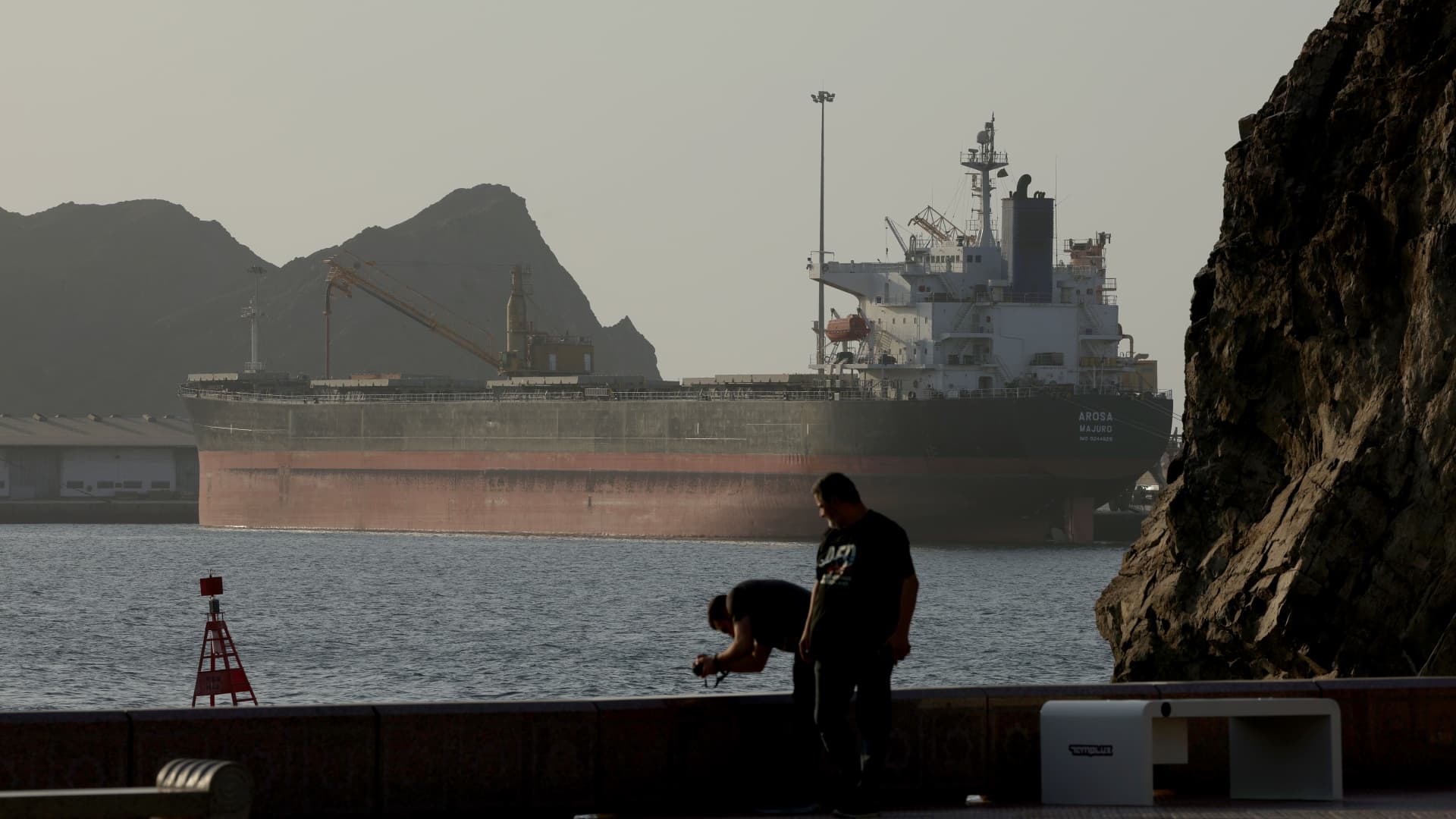
As oil flow through the Strait of Hormuz rebounded after a spell of Iran-related tensions, the United States moved to reassure its Gulf allies. About one-fifth of the world’s traded oil and LNG passes through this narrow waterway between Iran and Oman — making it the planet’s single most important energy chokepoint and a recurring CLAT GK + map question.
Who watches the strait?
The UN’s International Maritime Organization (IMO) — the specialised agency for shipping safety, headquartered in London — and the International Maritime Security Construct monitor traffic. The IMO reported 57 ships carrying ~1,100 seafarers transiting since June 23, even as a cargo ship was reportedly attacked near Oman. Brent crude eased below $80 a barrel after the de-escalation.
Constitutional & Legal Framework
- IMO — a UN specialised agency (HQ London, 175+ members) responsible for the safety and security of international shipping and prevention of marine pollution.
- UNCLOS (UN Convention on the Law of the Sea) — guarantees transit passage through international straits used for navigation, like Hormuz.
- Brent crude — the global benchmark against which oil is priced; it fell below $80/bbl after tensions cooled.
Why This Matters for CLAT
This single news item bundles three CLAT-favourite domains: international organisations (the IMO as a UN body, not to be confused with OPEC or the WTO), international law (UNCLOS and transit passage), and economy + geography (strategic chokepoints, India’s energy security). Map-based GK on the location of Hormuz and the bordering states is especially likely.
Key Facts at a Glance
| Traffic share | ~20% of global oil + LNG trade transits Hormuz |
| Location | Between Iran (north) and Oman/UAE (south); narrowest ~33 km |
| IMO | UN specialised agency for shipping safety; HQ London, 175+ members |
| Legal frame | UNCLOS guarantees ‘transit passage’ through international straits |
| Brent crude | Fell below $80/bbl after de-escalation |
| India’s stake | World’s largest urea importer; depends on Gulf crude, LNG & fertilisers |
Memory Hook (Mnemonic)
Hormuz = the “Oil Artery” between Iran and Oman; the IMO is the UN’s ship-safety body (London).
Test yourself
Practice Quiz — 10 CLAT-Style Questions
Click an option to reveal the answer and explanation.