CURRENT AFFAIRS | 19 JUNE 2026
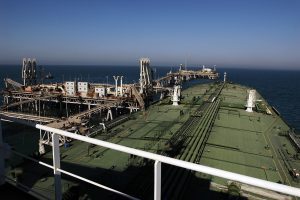
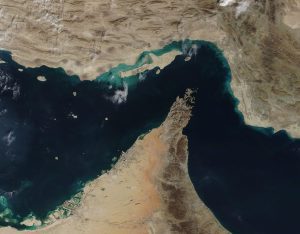
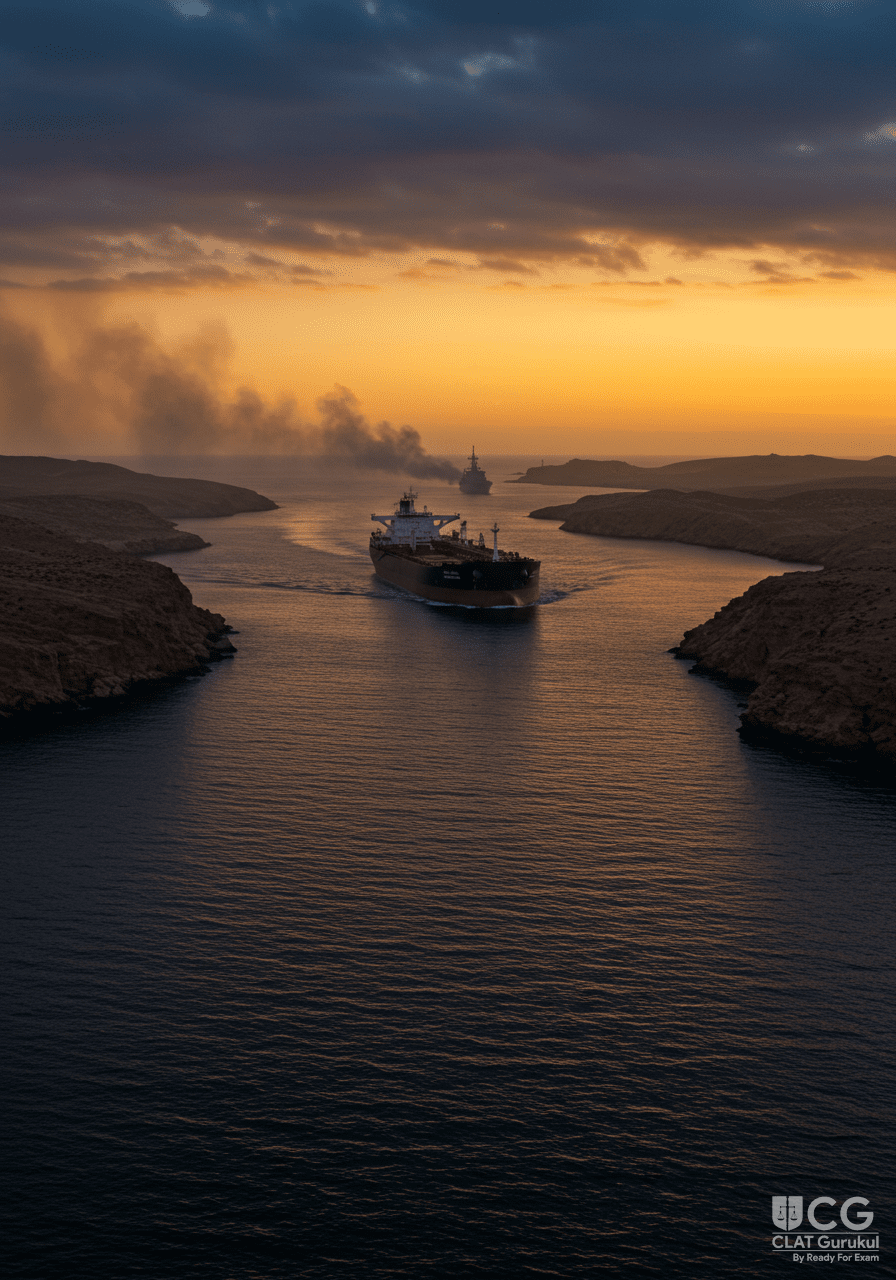
In a dramatic diplomatic breakthrough, the United States and Iran signed a 14-clause Memorandum of Understanding (MoU) on 17-18 June 2026 that ends hostilities, lifts the US naval blockade of Iranian ports, and reopens the strategically vital Strait of Hormuz. The deal restores Iran’s oil exports, unfreezes over $100 billion in Iranian assets and opens a 60-day window for negotiating a final nuclear agreement.
What Happened
The MoU was digitally signed by US President Donald Trump and later witnessed before French President Emmanuel Macron at the Palace of Versailles. It ends hostilities on all fronts, including the Israel-Lebanon theatre, and commits Iran to never producing nuclear weapons. A $300 billion reconstruction plan has been floated, and the final nuclear pact is to be endorsed by a binding UN Security Council Resolution.
For India, the reopening of Hormuz is critical. The Strait carries roughly 20% of the world’s oil and LNG (about 12.5 million barrels a day). India sources nearly 40% of its crude, 60% of its LNG and about 90% of its LPG from West Asia through this single chokepoint, so any disruption directly threatens India’s energy security and prices.
⚖️ Constitutional & Legal Framework
The law of the sea governs straits like Hormuz. Under the UN Convention on the Law of the Sea (UNCLOS), Article 38 guarantees a right of “transit passage” through straits used for international navigation, a right that coastal states cannot suspend. On the nuclear side, the Non-Proliferation Treaty (NPT, 1968) — to which Iran has been a party since 1970 — recognises in Article IV an “inalienable right” to peaceful nuclear energy, monitored by the IAEA safeguards regime. The 2015 JCPOA, endorsed by UNSC Resolution 2231, remains the reference framework. Note the distinction between an MoU (often an expression of intent) and a binding treaty under international law.
🎯 Why This Matters for CLAT
The international law of straits and chokepoints, the NPT/IAEA non-proliferation regime, and the role of UNSC resolutions in enforcing agreements are recurring CLAT GK and legal-reasoning territory. Passages on energy security, treaty interpretation, and the binding nature of international instruments frequently appear in the legal-reasoning section.
📌 Key Facts
| Who | United States & Iran (signed by Trump; witnessed by Macron) |
| What | 14-point MoU ending war, reopening Strait of Hormuz |
| When | 17-18 June 2026; 60-day negotiation window |
| Where | Palace of Versailles, France |
| Key numbers | $100bn+ assets unfrozen; Hormuz = ~20% global oil/LNG; India ~40% crude via West Asia |
| Key law | UNCLOS Art 38; NPT Art IV; UNSC Res 2231; JCPOA |
🧠 Memory Hook
Think “HORMUZ = Highway Of oil; Reopened; Most Used Zone.” And for the legal trio, remember “38-IV-2231” — UNCLOS Art 38 (transit passage), NPT Art IV (peaceful energy), UNSC Res 2231 (endorses the deal).
Take the Quiz
Test your grip on the law of straits, the NPT regime and this landmark MoU with 10 CLAT-style questions.
Practice Quiz — 10 CLAT-Style Questions
Click an option to reveal the answer and explanation.