CURRENT AFFAIRS | 16 JUNE 2026
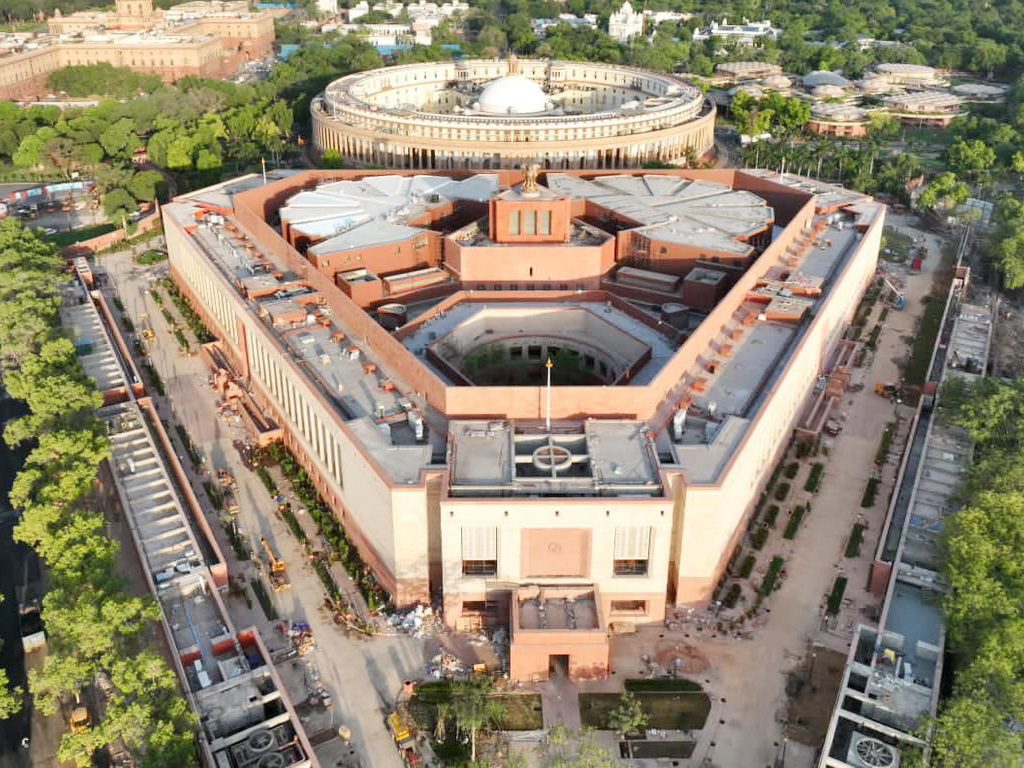
A constitutional flashpoint has emerged after 20 rebel Trinamool Congress (TMC) Lok Sabha MPs announced a merger with the little-known Nationalist Citizens Party of India (NCPI) and met Lok Sabha Speaker Om Birla seeking separate seating in the House.
Legal opinion is sharply divided on whether the MPs face disqualification under the Tenth Schedule — the anti-defection law. The debate turns on Paragraph 4 of the Tenth Schedule, which exempts a “merger” from disqualification if at least two-thirds of the legislature party agree to merge with another party.
Critics cite the 2022 Goa Bench verdict of the Bombay High Court, while PRS Legislative Research highlights the “twin test”: a valid merger requires both the original political party to merge and two-thirds of the legislature party to agree. Meeting only one limb is legally insufficient.
The anti-defection framework, added by the 52nd Constitutional Amendment Act, 1985, vests the decision on disqualification in the Speaker/Chairman — a decision the Supreme Court has held to be subject to judicial review. The episode is best understood as a question of law, not partisan politics.
Constitutional / Legal Framework
The Tenth Schedule was inserted by the 52nd Constitutional Amendment Act, 1985. Paragraph 4 provides the merger exemption requiring a two-thirds agreement — the old “split” defence under Paragraph 3 was deleted by the 91st Amendment, 2003. Disqualification grounds also link to Articles 102(2) and 191(2). In Kihoto Hollohan v. Zachillhu (1992), the Supreme Court held the Speaker’s decision is subject to judicial review; Keisham Meghachandra Singh (2020) laid down a 3-month guideline for Speaker decisions; Ravi S. Naik clarified “voluntarily giving up” membership.
CLAT Angle
This is a goldmine for legal reasoning. Master the chain: 52nd Amendment (1985) added the Tenth Schedule; 91st Amendment (2003) removed the split defence; Paragraph 4 = two-thirds merger exemption; the “twin test” needs both party and legislature-party mergers. Landmark cases — Kihoto Hollohan (1992) and Keisham Meghachandra Singh (2020) — are near-certain anchors. Avoid partisan framing; reason from the statute.
Key Facts
| Schedule | Tenth Schedule (anti-defection law) |
| Inserted by | 52nd Constitutional Amendment Act, 1985 |
| Merger exemption | Paragraph 4 — two-thirds rule |
| Split defence | Removed by 91st Amendment, 2003 |
| Decider | Speaker/Chairman (subject to judicial review) |
| Landmark | Kihoto Hollohan v. Zachillhu (1992) |
Mnemonic / Memory Hook
“52 made it, 91 unmade the split, 4 saves the merger — but only by the TWO-THIRDS TWIN.” 52 = 52nd Amendment (1985); 91 = removed the split defence; Para 4 = merger; the “twin test” = party + legislature-party, both at two-thirds. Hook the case as “Kihoto = Speaker Checked” (judicial review).
Why this matters for CLAT 2027: The anti-defection law, the Tenth Schedule and its landmark cases are among the most heavily tested topics in CLAT constitutional-law and legal-reasoning sections. Master the 52nd and 91st Amendments, Paragraph 4’s two-thirds merger exemption, the “twin test”, and Kihoto Hollohan (1992) to confidently answer CLAT 2027 questions on defection and the Speaker’s powers.
Practice Quiz — 10 CLAT-Style Questions
Click an option to reveal the answer and explanation.