CURRENT AFFAIRS | 16 JUNE 2026
The new US–Iran MoU has revived comparisons with the 2015 JCPOA (Joint Comprehensive Plan of Action), the landmark nuclear deal negotiated under US President Barack Obama. The JCPOA was signed between Iran and the P5+1 — the US, UK, France, China and Russia, plus Germany — coordinated by the European Union.
The JCPOA capped Iran’s uranium enrichment at the 3.67% level with strict stockpile limits, in exchange for sanctions relief, and required Iran to implement the IAEA Additional Protocol allowing inspections of undeclared sites. US President Donald Trump withdrew the US from the JCPOA in 2018, calling it one of the worst deals ever; Iran subsequently enriched uranium up to 60%.
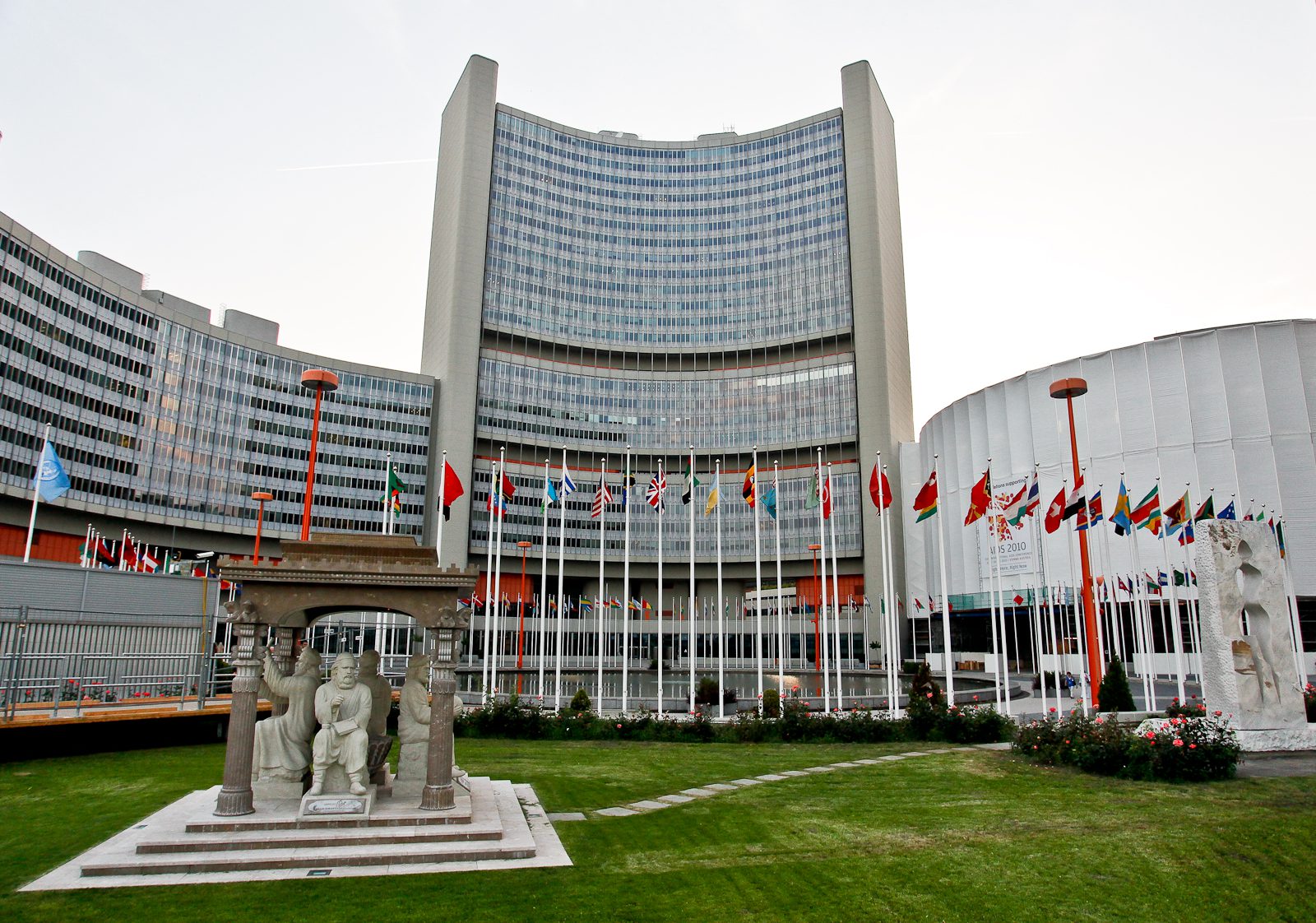
The current deal’s 60-day verification window concerns precisely this stockpile of highly enriched uranium. The watchdog at the centre of any verification is the International Atomic Energy Agency (IAEA), headquartered in Vienna, Austria, whose Director General is Rafael Grossi.
For India, the key static anchor is that India is not a signatory to the Nuclear Non-Proliferation Treaty (NPT), even though it maintains an impeccable non-proliferation record. The episode also spotlights the UN Security Council’s five veto-wielding permanent members and the JCPOA’s “snapback” sanctions mechanism.
Constitutional / Legal Framework
The architecture of nuclear diplomacy rests on three pillars. The NPT (1968, in force 1970) divides the world into nuclear-weapon and non-nuclear-weapon states — India is NOT a party. The IAEA (“Atoms for Peace”), Vienna-based, reports to both the UN General Assembly and the UN Security Council and conducts safeguards inspections. The UNSC’s P5 (US, UK, France, China, Russia) hold the veto, and the JCPOA’s “snapback” clause lets parties re-impose UN sanctions. These instruments are treaty-based international law, not domestic constitutional provisions.
CLAT Angle
This is high-frequency static-plus-current territory. Lock in: IAEA HQ = Vienna, DG Rafael Grossi; JCPOA 2015, P5+1, EU-coordinated; US exit 2018; India NOT an NPT signatory; UNSC P5 veto. Examiners frequently pair the 3.67% cap with the JCPOA and the 60% enrichment with the post-2018 period. Iran’s Natanz, Fordow and Arak facilities are classic match-the-following fodder.
Key Facts
| JCPOA | 2015, Iran + P5+1, EU-coordinated |
| US exit | 2018 (under President Trump) |
| IAEA HQ | Vienna, Austria; DG Rafael Grossi |
| NPT | 1968 / in force 1970; India NOT a signatory |
| UNSC P5 | US, UK, France, China, Russia (veto) |
| Enrichment | JCPOA cap 3.67%; Iran later up to 60% |
Mnemonic / Memory Hook
“VIENNA guards the ATOMS.” VIENNA = IAEA HQ. For the players: “P5+1 = Five vetoes plus Germany”. And the India trap: “India NEVER signed NPT” — N-E-V-E-R hooks N-P-T. Recall the trio of sites with “NFA” = Natanz, Fordow, Arak.
Why this matters for CLAT 2027: International organisations, treaties, the UNSC P5 and India’s NPT stance are perennial CLAT GK staples that overlap with legal-reasoning passages on disarmament and sovereignty. Master the JCPOA (2015), the US exit (2018), the IAEA at Vienna, and India’s non-signatory position on the NPT to confidently tackle CLAT 2027 questions on nuclear diplomacy.
Practice Quiz — 10 CLAT-Style Questions
Click an option to reveal the answer and explanation.