
CURRENT AFFAIRS | 16 JUNE 2026
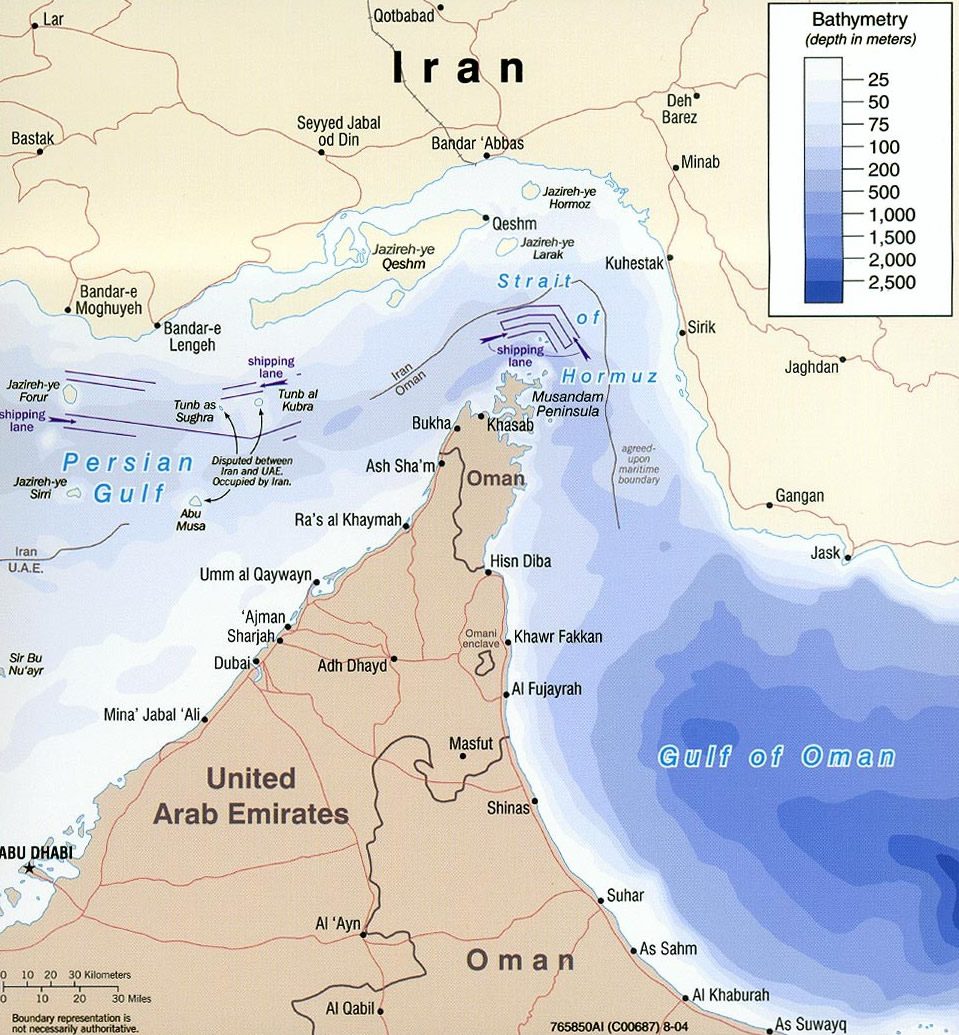
US President Donald Trump announced on Sunday that the United States and Iran reached a Memorandum of Understanding (MoU) to end the West Asia war and reopen the Strait of Hormuz, the world’s most critical oil chokepoint. A formal signing ceremony is slated for Friday in Geneva, Switzerland, mediated by Pakistan, with PM Shehbaz Sharif’s role noted. PM Narendra Modi welcomed the move, saying it would ensure freedom of navigation and commerce.
The deal opens a 60-day window to negotiate the fate of Iran’s stockpile of highly enriched uranium. The US would lift its naval blockade within 30 days of signing, waive oil sanctions for a specified period, and unfreeze about $25 billion of Iran’s frozen assets. Iran had closed the Strait around April 18, triggering a global energy scare.
For India the stakes are direct: roughly 60% of crude imports and 90% of LPG imports transit Hormuz, and about 18,000 Indian seafarers — with around 500 stranded near the Strait — were affected. India’s largest LNG importer Petronet LNG’s tanker Disha (managed by the Shipping Corporation of India) became the first Indian merchant vessel to cross the Strait in over two months, carrying 62,370 tonnes of LNG from Qatar.
Markets reacted sharply — oil prices tumbled about 5% (Brent near $83 a barrel), while Indian equities and the rupee rallied. Crucially, India is not a party to the MoU but a major stakeholder, underscoring its doctrine of strategic autonomy in West Asia.
Constitutional / Legal Framework
The reopening of the Strait engages the principle of freedom of navigation under the UN Convention on the Law of the Sea (UNCLOS), 1982, specifically the right of transit passage through international straits used for international navigation. The Strait of Hormuz — about 21 km at its narrowest, bordered by Iran to the north and Oman/UAE to the south — carries roughly one-fifth of global oil and LNG. India’s earlier Operation Sankalp (2019) saw the Indian Navy escort merchant ships in the Gulf of Oman. A perennial CLAT trap: India is a stakeholder, not a signatory, to this US–Iran MoU.
CLAT Angle
Expect questions linking the Strait of Hormuz to energy security, maritime chokepoints, and UNCLOS transit passage. Examiners love the Operation Sankalp (2019) anchor, the $25 billion frozen-asset figure, and the Geneva signing venue. The Petronet tanker Disha and the “first Indian vessel in two months” detail convert easily into fill-in-the-blank items. Remember the geography: Iran (north), Oman/UAE (south).
Key Facts
| Deal | US–Iran MoU to end war, reopen Hormuz |
| Signing | Friday, Geneva (Switzerland); Pakistan mediated |
| Window | 60 days on enriched-uranium stockpile |
| Assets | ~$25 bn of Iran’s assets unfrozen |
| India link | ~60% crude, ~90% LPG imports via Hormuz |
| First vessel | Petronet’s tanker Disha (managed by SCI) |
Mnemonic / Memory Hook
“HORMUZ: Hostilities Over, Routes Made Usable in Zero days… almost.” Recall Hormuz = 21 km narrowest, Iran north / Oman south. Tie “Sankalp 2019” to India’s navy escort, and “Disha shows the way” — the first Indian tanker back through the Strait.
Why this matters for CLAT 2027: West Asia geopolitics, maritime chokepoints, and energy security are recurring CLAT GK and legal-reasoning themes, and UNCLOS freedom-of-navigation is a favourite legal anchor. Master the Strait of Hormuz geography, Operation Sankalp, the Geneva MoU terms, and India’s stakeholder-not-signatory status to ace CLAT 2027 questions on West Asia and energy diplomacy.
Practice Quiz — 10 CLAT-Style Questions
Click an option to reveal the answer and explanation.