CURRENT AFFAIRS | 25 JUNE 2026
What Happened
An Ideas Page op-ed by Bimal N. Patel and Ankit K. argues that India’s permanent membership of the United Nations Security Council (UNSC) is “no longer a question of aspiration.” The authors marshal India’s credentials: the world’s most populous nation, home to roughly one-sixth of humanity, yet currently only around 6% of the global population is represented among the Council’s permanent members. They cite India’s G20 presidency theme “Vasudhaiva Kutumbakam” (the world is one family), its standing among the top defence spenders (~$86 billion) with a credible nuclear triad, and its record as one of the largest contributors to UN peacekeeping since 1948.
Background: How the UNSC Is Built
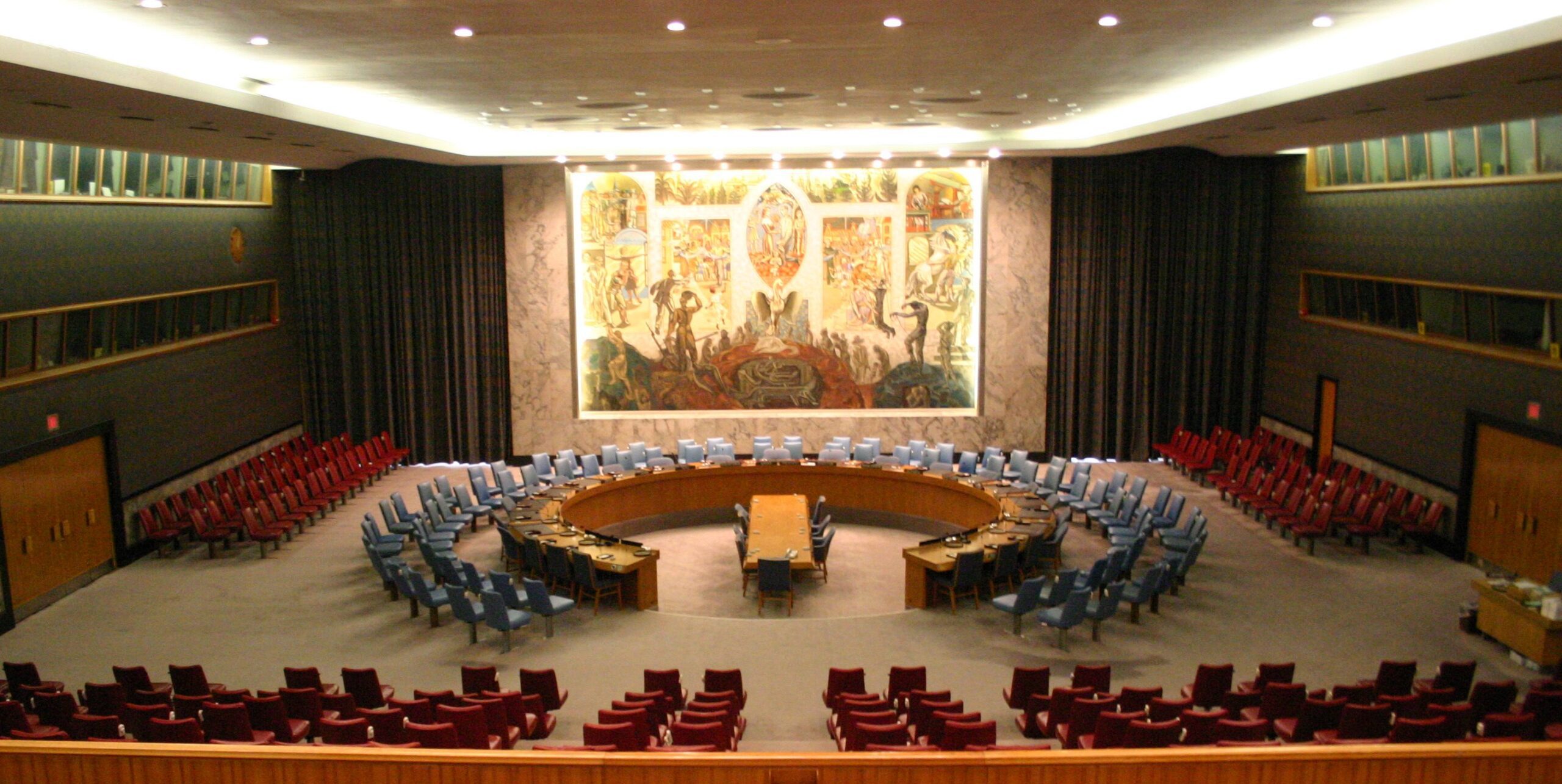
The UN Security Council has 15 members — 5 permanent (P5): the United States, United Kingdom, France, Russia and China, plus 10 non-permanent members (expanded from 6 to 10 in 1965). The defining privilege of the P5 is the veto under Article 27 of the UN Charter, which lets any one permanent member block a substantive resolution. Article 23 governs the Council’s composition, while Article 108 requires that any amendment to the Charter — including expanding the permanent membership — be ratified by two-thirds of UN members and concurred in by all five permanent members. That P5 concurrence is the hardest lock to open.
Why It Matters: The Reform Blocs
India does not pursue reform alone. The G4 — India, Brazil, Germany and Japan — back each other’s bids for permanent seats. They are opposed by the “Uniting for Consensus” group (informally the “Coffee Club,” which includes Pakistan and Italy), which prefers expanding only non-permanent seats. Africa, through the Ezulwini Consensus, demands at least two permanent seats with veto for the continent. The structural challenge is stark: under Article 108, no P5 member can be forced to accept dilution of its privileged status, which is why six decades of reform talk have yielded little.
Constitutional / Legal Framework
UN Charter Article 23 — composition of the Security Council (5 permanent + 10 non-permanent). Article 27 — voting, including the veto power of the P5 on substantive matters. Article 108 — Charter amendments require ratification by two-thirds of members and the concurrence of all five permanent members. Reform blocs: G4 (India, Brazil, Germany, Japan), Uniting for Consensus/Coffee Club (Pakistan, Italy, etc.), and Africa’s Ezulwini Consensus. Non-permanent seats were expanded from 6 to 10 in 1965.
CLAT Angle
Classic international-organisation GK and Legal Reasoning. Master the P5 list, the veto under Article 27, the Article 108 amendment lock, the 1965 expansion to 10 non-permanent seats, and the G4 versus Uniting-for-Consensus dynamic. CLAT loves the trap of confusing “veto” (substantive votes) with procedural votes, and confusing the General Assembly with the Security Council.
Key Facts
| P5 | US, UK, France, Russia, China |
| Non-permanent | 10 (expanded from 6 in 1965) |
| Veto | Article 27, UN Charter |
| Amendment lock | Article 108 — needs P5 concurrence |
| India’s bloc | G4 (India, Brazil, Germany, Japan) |
Mnemonic / Memory Hook
P5 = “US, UK, France, Russia, China” — remember “UN-FRC” (UK, US, then France-Russia-China). G4 = “India, Brazil, Germany, Japan” = the four big aspirants. And the lock: “108 needs the P5’s nod.”
Practice Quiz — 10 CLAT-Style Questions
Click an option to reveal the answer and explanation.