CURRENT AFFAIRS | MAY 18, 2026
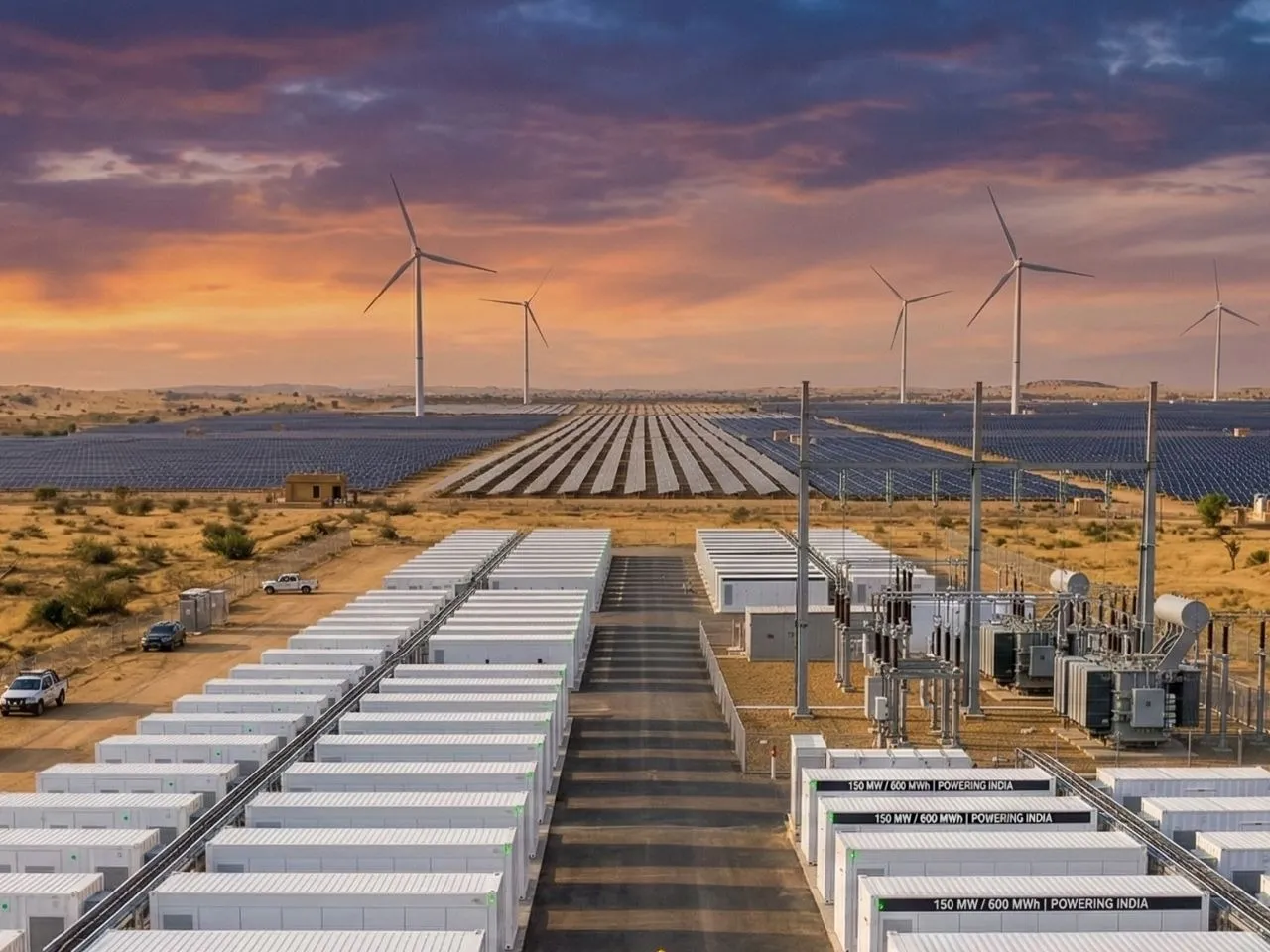
India crossed 532 GW of total installed power capacity in May 2026 — and renewables, at roughly 283 GW (53%), are now the largest single block. But the Central Electricity Authority’s optimal generation-mix study projects that to integrate this surge, India will need ~786 GW of total grid capacity, including a dramatic scale-up of storage. The race is on between Pumped Hydro Storage (PHS), Battery Energy Storage Systems (BESS), Compressed Air, Flywheel and Gravity-based systems. For CLAT, this is the new environmental-law and constitutional-policy fault line.
The Storage Story: Why It Matters
Solar and wind are intermittent — they generate when the sun shines or wind blows, not necessarily when the grid demands. Storage is what converts variable renewable energy (VRE) into firm, dispatchable supply. Current numbers: PHS ~13,120 MW operational with 78,720 MWh under construction; BESS ~7.2 GW operational; CEA target for BESS by 2035–36 is around 80 GW. China currently dominates 75–80% of global Li-ion manufacturing — making the National Critical Mineral Mission and the PLI Scheme for ACC (50 GWh) strategically critical.
Constitutional & Statutory Framework
- Article 48A (DPSP): State to protect and improve environment, safeguard forests and wildlife.
- Article 51A(g): Fundamental duty to protect the natural environment.
- Electricity Act, 2003: Principal legislation; deregulated and unbundled the power sector.
- Energy Conservation (Amendment) Act, 2022: Carbon Credit Trading Scheme; mandatory non-fossil energy consumption.
- Battery Waste Management Rules, 2022: Notified under EPA, 1986 — Extended Producer Responsibility for batteries.
- National Electricity Policy, 2005; Hydro Power Policy, 2008; National Solar Mission, 2010.
CLAT Angle — NDC, COP & Just Transition
- Panchamrit (COP26): 500 GW non-fossil installed capacity by 2030; 50% of energy from RE; net-zero by 2070.
- India’s NDC (Nationally Determined Contribution) reductions: 45% emission intensity cut by 2030 (over 2005 base).
- Just Transition jurisprudence — equitable shift from coal-based livelihoods.
- Critical Minerals List, 2023 — lithium, cobalt, graphite notified.
Key Numbers
| Total installed capacity | ~532 GW |
| Renewables share | ~283 GW (53%) |
| Solar installed | ~150 GW |
| PHS (operational) | ~13,120 MW |
| BESS target 2035–36 | ~80 GW |
| CEA total grid target 2035–36 | ~786 GW |
Mnemonic — Storage Types
PHS = Pumped-water hauls Surplus · BESS = Battery Energy Stores Solar · CAES = Compressed Air Energy · FES = Flywheel Energy Spin · GES = Gravity Energy System
Test Yourself — 10 MCQs on Renewables & Storage
Practice Quiz — 10 CLAT-Style Questions
Click an option to reveal the answer and explanation.