Current Affairs Polity & Nation Constitutional Law CLAT 2027 CLAT GK
13 May 2026 · Source: The Indian Express, Delhi Edition · Reuters · PIB · Live Law
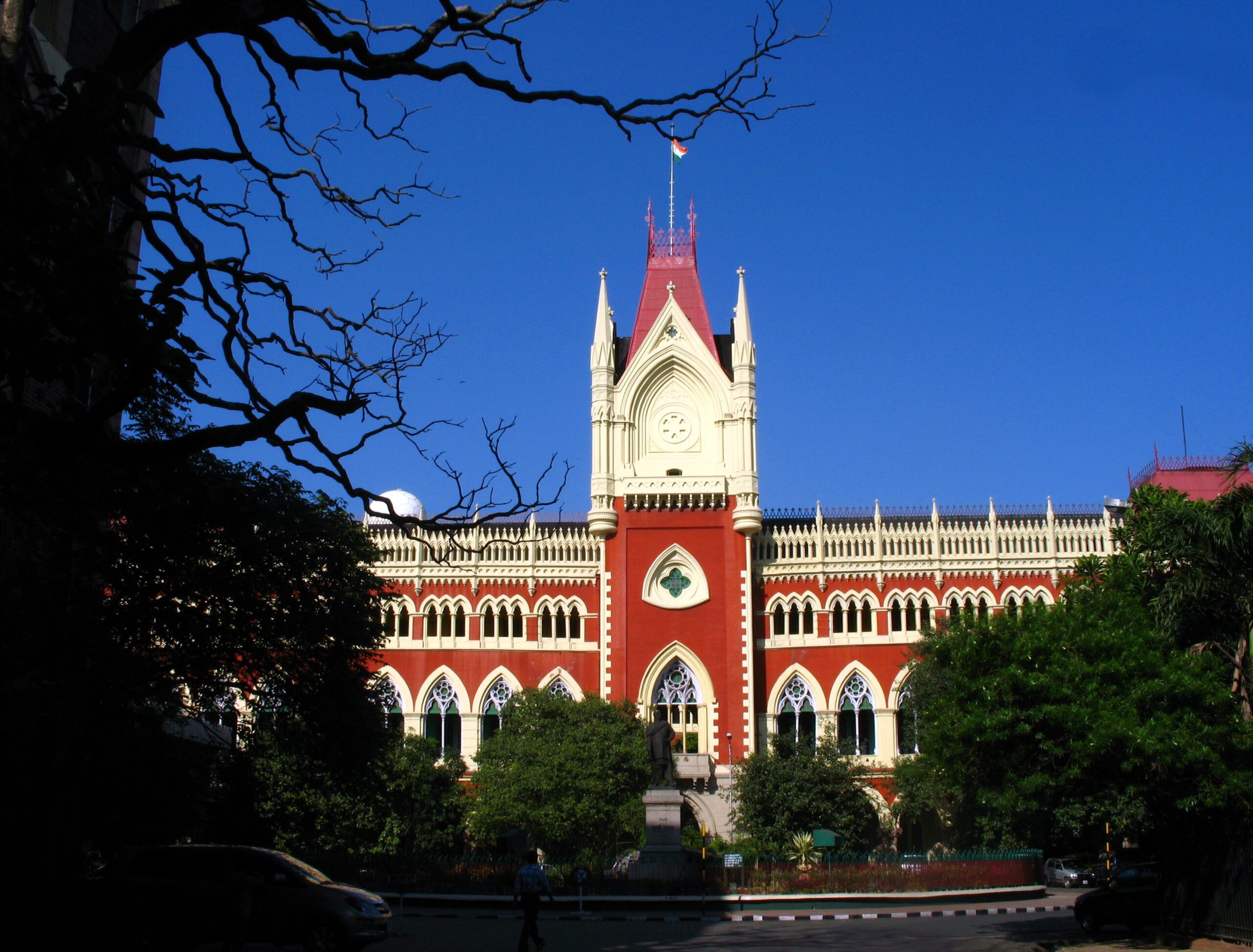
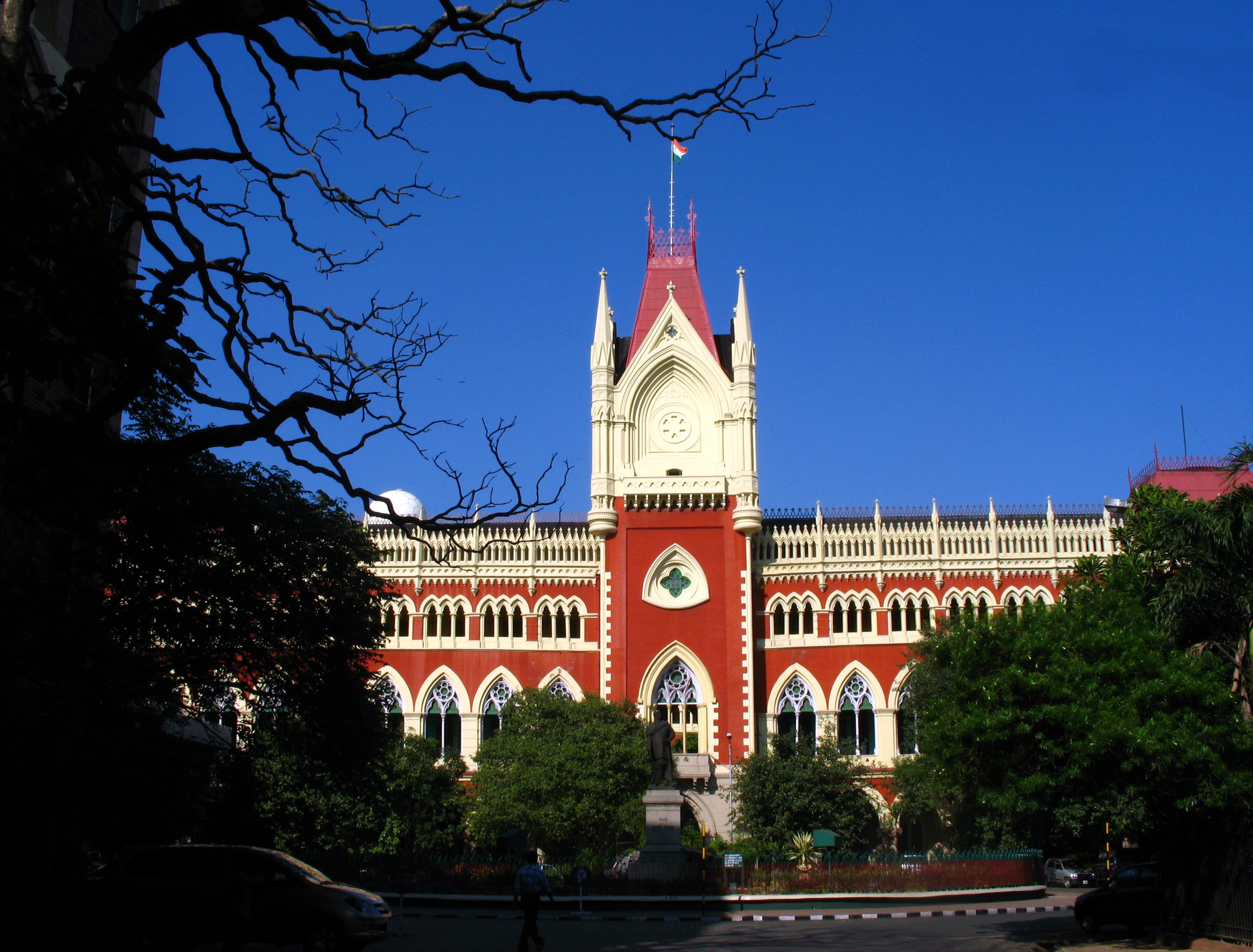
The Supreme Court Collegium, headed by Chief Justice Surya Kant, on 11 and 12 May 2026 unanimously approved the elevation of nine advocates as judges of the Calcutta High Court. The recommendations now go to the Union Government for the President’s warrant under Article 217. The Calcutta HC currently functions with 45 judges against a sanctioned strength of 72 — a 37.5% vacancy.
📌 Key Facts at a Glance
- 9 advocates approved (6 men, 3 women) — improving gender balance from 11% to 14% women
- Calcutta HC: 45/72 sanctioned → will become 54/72 after appointments
- Constitutional basis: Article 217; Collegium per Second & Third Judges Cases
- NJAC verdict (2015) struck down 99th Constitutional Amendment 4:1
- Pending cases at Calcutta HC: >2.3 lakh; oldest dates to 1979
Background
The list includes six men and three women advocates, improving the Calcutta HC’s gender balance from 11% to roughly 14% women judges. Three of the nine are first-generation lawyers from the mofussil bar — an important signal of diversifying the Bench beyond Kolkata-based senior counsel.
Main Analysis
The MoP friction
The Memorandum of Procedure (MoP), pending revision since 2015, governs Collegium-Executive interaction on appointments. The Centre has of late routinely returned files for ‘reconsideration’, but a 2021 Supreme Court ruling held that once reiterated by the Collegium, the Government must appoint within a ‘reasonable time’ — operationalised as approximately six months.
The Article 217 process
The appointment process under Article 217 has four stages: (a) CJI + 2 senior-most SC judges + Chief Justice of HC concerned recommend names; (b) state Governor + state CM consulted; (c) President appoints by warrant; (d) judge holds office until age 62. The Collegium system itself, however, is not in the Constitution — it was crafted by SC judgments.
Why Calcutta first
Justice Surya Kant, in his welcome address as CJI in October 2025, identified ‘HC vacancy is the silent litigant emergency’ and pledged to clear over 70 pending Collegium recommendations by August 2026. Pendency at Calcutta HC exceeds 2.3 lakh cases; the oldest pending matter dates to 1979. The induction of 9 judges (taking working strength to 54) is expected to clear approximately 35,000 cases annually.
🎯 Key Takeaways
- Collegium clears 9 names for Calcutta HC (6 men, 3 women)
- Calcutta HC: 45/72 → 54/72 after appointments
- Constitutional anchor: Article 217; Collegium per Second & Third Judges Cases
- NJAC verdict (2015): 99th Amendment struck down 4:1 by Constitution Bench
- CJI Surya Kant pledged to clear 70+ HC recommendations by Aug 2026
📚 Glossary
- Collegium
- Body of senior SC judges that recommends judicial appointments and transfers. Not mentioned in the Constitution; created entirely by SC judgments in 1993 and 1998.
- Second Judges Case (1993)
- Supreme Court Advocates-on-Record Association v. Union of India: held that ‘consultation’ in Articles 124 & 217 means ‘concurrence’ — giving primacy to judiciary in appointments.
- NJAC verdict (2015)
- Supreme Court Advocates-on-Record Association v. Union of India (2015): National Judicial Appointments Commission (99th Amendment) was struck down 4:1 for violating basic structure (judicial independence).
- Article 217
- Lays down the appointment process for HC judges; appointment by President after consultation with CJI, Governor and (for puisne judges) the HC Chief Justice.
Test Yourself — 10 MCQs
Attempt the 10-question quiz below. Answers and explanations reveal after each click.
Practice Quiz — 10 CLAT-Style Questions
Click an option to reveal the answer and explanation.
CLAT Gurukul · By Ready For Exam · Bihar’s premier coaching for CLAT 2027 · Mentor Helpline: 7033005444